Caution — Parts of this plant may be toxic or require specific preparation. Verify with multiple sources before consuming.
⚠ Dangerous Lookalikes — Has a deadly poisonous lookalike — see comparison below
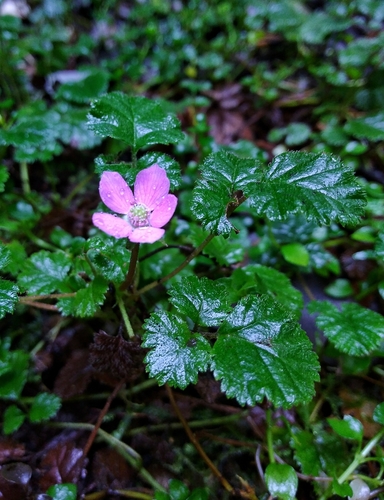
iNaturalist · cc-by-nc (c) Leonardo Tempesta, some rights reserved (CC BY-NC), uploaded by Leonardo Tempesta
iNaturalist · cc-by-nd (c) MatiasG, some rights reserved (CC BY-ND), uploaded by MatiasG
What to Eat
Edible parts: Fruit
The fruit can be eaten raw or cooked.
Known Hazards
Urushiol-induced contact dermatitis is the allergic reaction caused by poison ivy. In extreme cases, a reaction can progress to anaphylaxis. Around 15 to 25 percent of people have no allergic reaction to urushiol, but most people have a greater reaction with repeated or more concentrated exposure. Typically, the rash from the urushiol oil lasts about five to twelve days, but in extreme cases, it can last a month or more.
Over 350,000 people are affected by urushiol annually in the US.
The pentadecyl catechols of the oleoresin within the sap of poison ivy and related plants causes the allergic reaction; the plants produce a mixture of pentadecylcatechols, which collectively is called urushiol. After injury, the sap leaks to the surface of the plant where the urushiol becomes a blackish lacquer after contact with oxygen.
Urushiol binds to the skin on contact, where it causes severe itching that develops into reddish inflammation or uncoloured bumps, and then blistering. These lesions may be treated with Calamine lotion, Burow's solution compresses, dedicated commercial poison ivy itch creams, or baths to relieve discomfort, though recent studies have shown some traditional medicines to be ineffective.
Over-the-counter products to ease itching—or simply oatmeal baths and baking soda—are recommended by dermatologists for the treatment of poison ivy.
A plant-based remedy cited to counter urushiol-induced contact dermatitis is jewelweed, though jewelweed extracts had no positive effect in clinical studies. Others argue that prevention of lesions is easy if one practices effective washing, using plain soap, scrubbing with a washcloth, and rinsing three times within 2–8 hours of exposure.
The oozing fluids released by scratching blisters do not spread the poison. The fluid in the blisters is produced by the body and it is not urushiol itself. The appearance of a spreading rash indicates that some areas received more of the poison and reacted sooner than other areas or that contamination is still occurring from contact with objects to which the original poison was spread. Those affected can unknowingly spread the urushiol inside the house, on phones, doorknobs, couches, counters, desks, and so on, thus in fact repeatedly coming into contact with poison ivy and extending the length of time of the rash. If this has happened, wipe down the surfaces with bleach or a commercial urushiol removal agent. The blisters and oozing result from blood vessels that develop gaps and leak fluid through the skin; if the skin is cooled, the vessels constrict and leak less. If plant material with urushiol is burned and the smoke then inhaled, this rash will appear on the lining of the lungs, causing extreme pain and possibly fatal respiratory difficulty. If poison ivy is eaten, the mucous lining of the mouth and digestive tract can be damaged. An urushiol rash usually develops within a week of exposure and can last 1–4 weeks, depending on severity and treatment. In rare cases, urushiol reactions may require hospitalization.
Urushiol oil can remain active for several years, so handling dead leaves or vines can cause a reaction. In addition, oil transferred from the plant to other objects (such as pet fur) can cause the rash if it comes into contact with the skin. Clothing, tools, and other objects that have been exposed to oil should be washed to prevent further reactions.
Dangerous Lookalikes
This plant can be confused with the following toxic species. Always verify identification carefully before consuming any wild plant.
DEADLY
Red Baneberry
Actaea rubra
SAFE
Rubus radicans
Rubus radicans
Red Baneberry: Short herbaceous plant (no thorns), berries on thick red stems, each berry has a single seed, compound sharply-toothed leaves.
Rubus radicans: Thorny woody canes (brambles), aggregate berry made of many drupelets, berries pull easily from receptacle.
Where to Find It
It is a temperate plant. In Argentina it grows from 900-1,500 m above sea level.
Rubus radicans is a hermaphroditic shrub pollinated by insects. It thrives in light sandy, medium loamy, or heavy clay soils with good drainage. This species tolerates mildly acidic, neutral, and mildly alkaline soil pH. It grows in semi-shade conditions such as light woodland or full sun, and prefers consistently moist soil.
How to Grow
We have very little information on this species and do not know if it will be hardy in Britain. The following notes are based on the general needs of the genus. Easily grown in a good well-drained loamy soil in sun or semi-shade.
Propagation: Seed requires stratification and is best sown in early autumn in a cold frame. Stored seed needs one month of stratification at about 3°c and should be sown as early as possible in the year. Prick out seedlings when large enough to handle and grow on in a cold frame, then plant out into permanent positions in late spring of the following year. Cuttings of half-ripe wood can be taken in July or August in a frame. Tip layering can be done in July, with plants set out in autumn. Division is possible in early spring or just before leaf-fall in autumn.
Medicinal Uses
None known.
Other Uses
A purple to dull blue dye is obtained from the fruit.
Rubus radicans is a hermaphroditic shrub pollinated by insects. It thrives in light sandy, medium loamy, or heavy clay soils with good drainage. This species tolerates mildly acidic, neutral, and mildly alkaline soil pH. It grows in semi-shade conditions such as light woodland or full sun, and prefers consistently moist soil.
Notes
There are about 250 Rubus species.
Names & Synonyms
Mine-mine
References (5)
Chamorro, M. F., & Ladio, A., 2020, Native and exotic plants with edible fleshy fruits utilized in Patagonia and their role as sources of local functional foods. BMC Complementary Medicine and Therapies. 20:155
Icon. 5:7. 1799
Leon-Lobos, P., et al, 2022, Patterns of Traditional and Modern Uses of Wild Edible Native Plants of Chile: Challenges and Future Perspectives. Plants (Basel) v 11 (6) Table S1
Plants for a Future database, The Field, Penpol, Lostwithiel, Cornwall, PL22 0NG, UK.
http://www.scs.leeds.ac.uk/pfaf/
Rapoport, E. H. & Ladio, A. H., 1999, Plantas comestibles. Bosque Volume 20 No. 2. ISSN 0314-8799