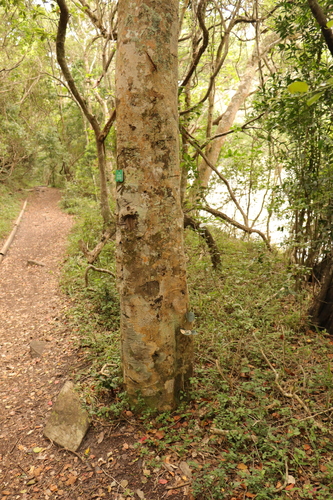
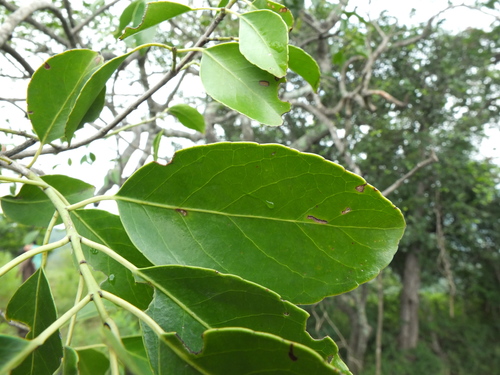
Salacia nitida
(Benth.) N. E. Br.
CelastraceaeFruit
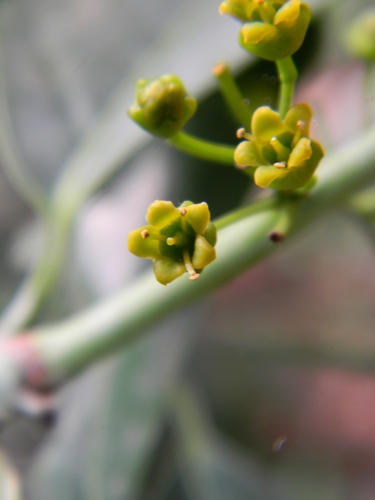
iNaturalist · cc-by-nc
(c) Theo Damen, some rights reserved (CC BY-NC), uploaded by Theo Damen
(c) Theo Damen, some rights reserved (CC BY-NC), uploaded by Theo Damen
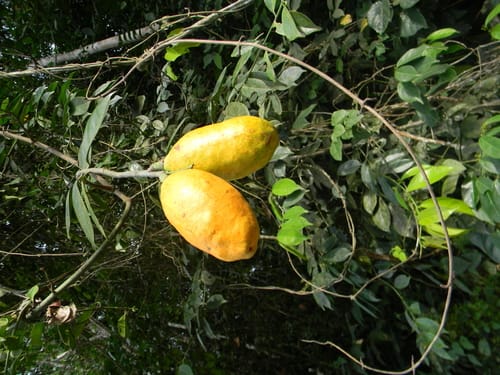
iNaturalist · cc-by-nc
(c) Theo Damen, some rights reserved (CC BY-NC)
(c) Theo Damen, some rights reserved (CC BY-NC)
What to Eat
Edible parts: Fruit
The pulp around the seeds is eaten raw.
Where to Find It
A tropical plant.
Africa, Cameroon, Central Africa, Congo, Côte d'Ivoire, Guinea, Guinée, Ivory Coast, Sierra Leone, West Africa,
Countries: Angola, Burkina Faso, Burundi, Benin, Botswana, Congo (DRC), Central African Republic, Congo (Republic), Cote d'Ivoire, Cameroon, Cape Verde, Djibouti, Algeria, Egypt, Eritrea, Ethiopia, Gabon, Ghana, Gambia, Guinea, Equatorial Guinea, Guinea-Bissau, Kenya, Comoros, Liberia, Lesotho, Libya, Morocco, Madagascar, Mali, Mauritania, Mauritius, Malawi, Mozambique, Namibia, Niger, Nigeria, Rwanda, Seychelles, Sudan, Sierra Leone, Senegal, Somalia, South Sudan, Sao Tome & Principe, Eswatini, Chad, Togo, Tunisia, Tanzania, Uganda, South Africa, Zambia, Zimbabwe
How to Identify
A tropical creeping liane producing round fruit 4 cm across with edible pulp surrounding the seeds.
Names & Synonyms
Nhoue
Salacia whytei Loes.
References (7)
- Burkill, H. M., 1985, The useful plants of west tropical Africa, Vol. 1. Kew. (As Salacia whytei)
- Busson, 1965,
- Diop, A. l., et al, 2021, Cultural importance of wild edible plants in three sympatric communities: Agni, Akyé and Gwa in the Department of Alépé (Southeast of Côte d’Ivoire). Ethnobotany Research and Applications 22:35. p 6
- Jardin, C., 1970, List of Foods Used In Africa, FAO Nutrition Information Document Series No 2.p 160
- Peters, C. R., O'Brien, E. M., and Drummond, R.B., 1992, Edible Wild plants of Sub-saharan Africa. Kew. p 81
- Vivien, J., & Faure, J.J., 1996, Fruitiers Sauvages d'Afrique. Especes du Cameroun. CTA p 166
- World Checklist of Useful Plant Species 2020. Royal Botanic Gardens, Kew