Semecarpus cuneiformis
Blanco
Ligas

(c) Han-Ting Liu, some rights reserved (CC BY-NC), uploaded by Han-Ting Liu

(c) 艸目伊, some rights reserved (CC BY-NC)
What to Eat
Edible parts: Fruit
The fruit is eaten in the same manner as cashew.
Known Hazards
Where to Find It
A tropical plant. They are common in dry areas and secondary forest from Luzon in the Philippines. They are not recorded from Mindanao.
Asia, Indonesia, Pacific, Philippines, SE Asia, Taiwan,
How to Identify
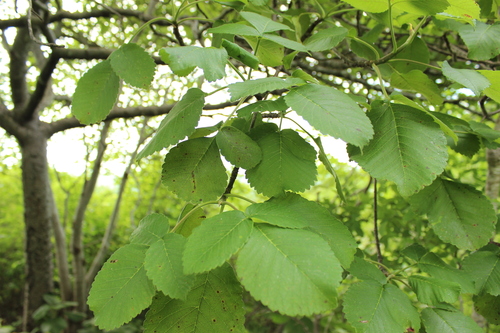
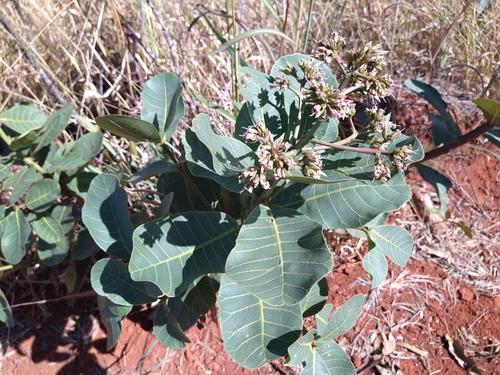
A large tree. It grows 4-20 m tall. The leaves are crowded at the ends of the branches. The leaves are rounded or somewhat pointed at the tip and pointed at the base. The flowers are white and carried in compound flower clusters that are longer than the leaves. The fruit are like cashew but smaller. The fruit has a stone and is carried on a purple stalk.
Medicinal Uses
The oil obtained from the pericarp is escharotic and caustic. It is sometimes applied externally in the treatment of certain indolent ulcers.
Wikipedia
Source ↗Semecarpus cuneiformis is a tree in the cashew and sumac family Anacardiaceae. The specific epithet cuneiformis is from the Latin meaning 'wedge-shaped', referring to the leaf base.
References (4)
- Brown, W.H., 1920, Wild Food Plants of the Philippines. Bureau of Forestry Bulletin No. 21 Manila. p 98
- Kuo, W. H. J., (Ed.) Taiwan's Ethnobotanical Database (1900-2000), http://tk.agron.ntu.edu.tw/ethnobot/DB1.htm
- Monsalud, M.R., Tongacan, A.L., Lopez, F.R., & Lagrimas, M.Q., 1966, Edible Wild Plants in Philippine Forests. Philippine Journal of Science. p 440
- World Checklist of Useful Plant Species 2020. Royal Botanic Gardens, Kew