Silene aegyptiaca
L.
Campio, Egyptian catchfly

iNaturalist · cc-by-nc
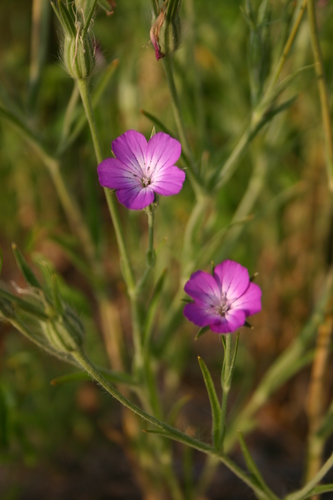
(c) Ron Frumkin, some rights reserved (CC BY-NC), uploaded by Ron Frumkin
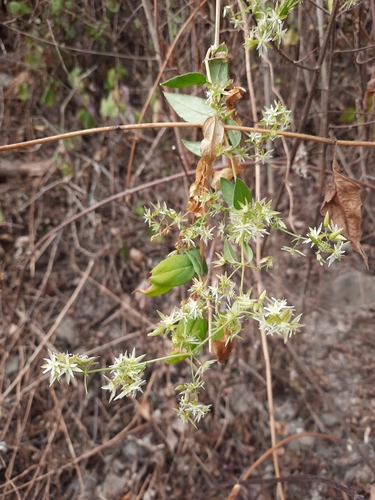
(c) Ron Frumkin, some rights reserved (CC BY-NC), uploaded by Ron Frumkin
iNaturalist · cc-by-nc
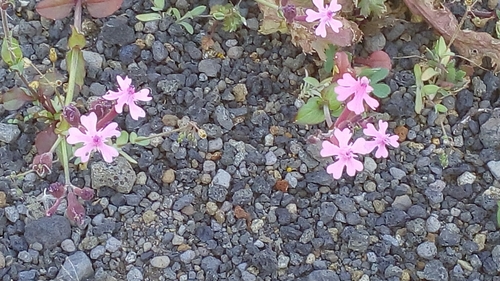
(c) עומר וינר, some rights reserved (CC BY-NC), uploaded by עומר וינר
(c) עומר וינר, some rights reserved (CC BY-NC), uploaded by עומר וינר

iNaturalist · cc-by-nc
(c) kaplinski, some rights reserved (CC BY-NC)
(c) kaplinski, some rights reserved (CC BY-NC)
What to Eat
Edible parts: Leaves, Shoots
Young shoots are traditionally fried with eggs. Both leaves and shoots are edible.
Where to Find It
It is a Mediterranean climate plant.
Asia, Cyprus, Mediterranean, Turkey, Türkiye,
Countries: United Arab Emirates, Afghanistan, Albania, Armenia, Azerbaijan, Bosnia & Herzegovina, Bangladesh, Bahrain, Brunei, Bhutan, China, Cyprus, Algeria, Egypt, Spain, France, Georgia, Greece, Croatia, Indonesia, Israel, India, Iraq, Iran, Italy, Jordan, Japan, Kyrgyzstan, Cambodia, North Korea, South Korea, Kuwait, Kazakhstan, Laos, Lebanon, Sri Lanka, Libya, Morocco, Monaco, Montenegro, Myanmar, Mongolia, Malta, Maldives, Malaysia, Nepal, Oman, Philippines, Pakistan, Qatar, Saudi Arabia, Singapore, Slovenia, Syria, Thailand, Tajikistan, Timor-Leste, Turkmenistan, Tunisia, Turkey, Taiwan, Uzbekistan, Vietnam, Yemen
How to Identify
An annual herb. It grows 30 cm tall. The stems are hairy and sticky. The leaves are rounded and have stalks. The flowers are pink. They are 2 cm across.
How to Grow
Plants can be grown by seeds.
Wikipedia
Source ↗Silene aegyptiaca is a species of flowering plant in the family Caryophyllaceae. The common name for this species is Egyptian campion or Egyptian catchfly. The species can be found across the Middle East.
Notes
There are about 500 Silene species.
References (4)
- Blamey, M and Grey-Wilson, C., 2005, Wild flowers of the Mediterranean. A & C Black London. p 47
- Martin, F.W. & Ruberte, R.M., 1979, Edible Leaves of the Tropics. Antillian College Press, Mayaguez, Puerto Rico. p 182
- Morley, B. & Everard, B., 1970, Wild Flowers of the World. Ebury press. Plate 32
- Sinclair, V., 1992, The Floral Charm of Cyprus. Interworld Publications. p 40