Siphoneugena densiflora
O. Berg.
Hoja menuda, Maria-preta, Murta, Uvatinga

(c) João Medeiros, some rights reserved (CC BY)

(c) Octavio Rivera Hernández, some rights reserved (CC BY-NC)
What to Eat
Edible parts: Fruit
Fruit - raw. A sweet but astringent flesh. The dark purple, globose fruit can be up to 15mm in diameter, containing 1 - 4 seeds.
Known Hazards
Where to Find It
It is a tropical plant. It grows in mountains and rocky grasslands in semi-deciduous forests in Brazil.
Brazil*, South America,
How to Identify
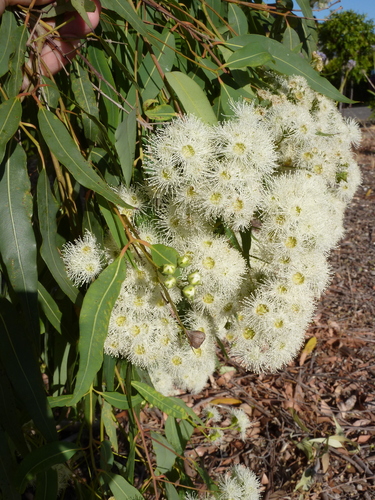
A tree. It grows 4-12 m tall. The trunk is short and crooked. The leaves are narrowly oval and taper to a long tip. They are papery and 4-14 cm long by 2-6 cm wide. The flowers are in groups in the axils of leaves. They are white. The fruit is a smooth berry with sweet pulp. The fruit are 1 cm across. There are 1-4 seeds.
How to Grow
Plants are grown from seeds. The seeds are collected by shaking ripe fruit onto canvas then allowing the fruit to partly decompose so that the seeds can be washed out under running water. Seeds need to be planted fresh in light shade. Seedlings emerge in 30-40 days.
Propagation: Seed - best sown as soon as it is ripe in a partially shaded position in a nursery seedbed. A germination rate of less than 30% can be expected, with the seed sprouting within 30 - 40 days.
Other Uses
The wood is medium-textured, straight-grained, moderately heavy, with some susceptibility to wood-eating organisms. It can be used for making small items such as tool handles and small-scale carpentry. The wood is used for fuel and to make charcoal.
Wikipedia
Source ↗Siphoneugena densiflora is a species of plant in the family Myrtaceae. It is endemic to Brazil. Typically found as a shrub up to 3 metres tall, and more rarely as a tree up to between 12 and 13 metres tall, this plant produces edible purplish-black fruit that are less than 10mm in diameter.
Production
Plants grow at a moderate rate.
Names & Synonyms
References (2)
- Lorenzi, H., 2009, Brazilian Trees. A Guide to the Identification and Cultivation of Brazilian Native Trees. Instituto Plantarum de Estuados da Flora Ltda. Vol. 3 p 280
- Peres, M. K., 2011, Diasporos do Cerrado Atrativos para Fauna: Chave Interativa Caracterizacao Visual e Relacoes Ecologicas. Masters thesis. Universidade de Brasilia.