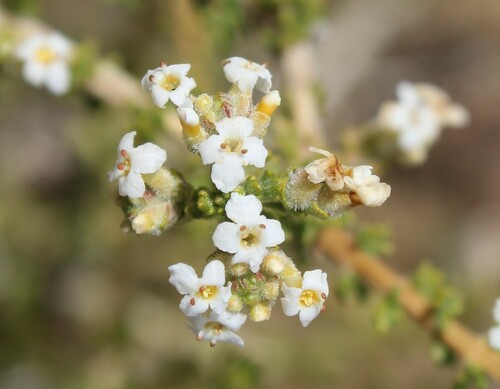
Stachytarpheta sp.

wikimedia · cc-by-sa
Wikimedia Commons - Nativeplants garden
Wikimedia Commons - Nativeplants garden

wikimedia · cc-by-sa
Wikimedia Commons - Nativeplants garden
Wikimedia Commons - Nativeplants garden
What to Eat
Edible parts: Leaves
The young pods are edible and occasionally eaten in Javanese vegetable salad with spicy peanut sauce, and spicy fish wrapped in papaya or taro leaves in Indonesia, and in papaya salad in Laos and Thailand, where they are known as phak krathin (Thai: ผักกระถิน). In Mexico it is eaten in soups and also inside tacos, it is known as guaje. Cooking is thought to remove most of the poison.
Known Hazards
Where to Find It
A tropical plant.
Africa, Central Africa, Congo,
Countries: Angola, Burkina Faso, Burundi, Benin, Botswana, Congo (DRC), Central African Republic, Congo (Republic), Cote d'Ivoire, Cameroon, Cape Verde, Djibouti, Algeria, Egypt, Eritrea, Ethiopia, Gabon, Ghana, Gambia, Guinea, Equatorial Guinea, Guinea-Bissau, Kenya, Comoros, Liberia, Lesotho, Libya, Morocco, Madagascar, Mali, Mauritania, Mauritius, Malawi, Mozambique, Namibia, Niger, Nigeria, Rwanda, Seychelles, Sudan, Sierra Leone, Senegal, Somalia, South Sudan, Sao Tome & Principe, Eswatini, Chad, Togo, Tunisia, Tanzania, Uganda, South Africa, Zambia, Zimbabwe
How to Identify
A small shrub in the Verbenaceae family found in tropical regions.
References (1)
- Jardin, C., 1970, List of Foods Used In Africa, FAO Nutrition Information Document Series No 2.p 104