Stellaria diversiflora
Maxim.

Meise Botanic Garden

Royal Botanic Gardens, Kew

University of Vermont
What to Eat
Edible parts: Leaves
Young leaves are eaten cooked.
Known Hazards
Where to Find It
It is a temperate plant.
Asia, Japan,
How to Identify
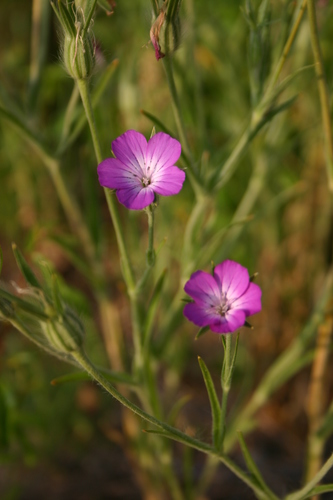
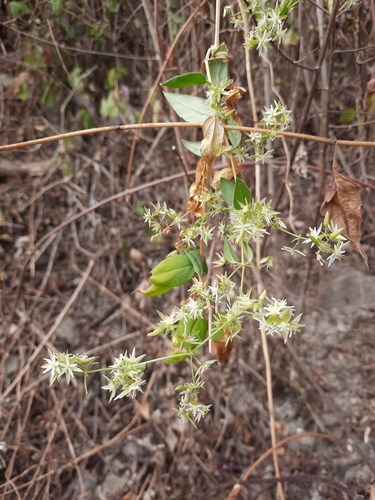
Perennial herb growing to 0.3 m (1 ft) tall. Hermaphroditic and insect-pollinated. Adapts to light sandy, medium loamy, and heavy clay soils across mildly acid to mildly alkaline pH ranges. Tolerates semi-shade (light woodland) or full sun and prefers moist soil.
How to Grow
We have very little information on this species and do not know if it will be hardy outdoors in Britain, though judging by its native range it should succeed outdoors at least in the milder parts of the country. The following notes are based on the general needs of the genus. Prefers a moist soil.
Propagation: Sow seed in spring directly where plants are to grow.
Medicinal Uses
None known
Other Uses
None known Special Uses
Wikipedia
Source ↗Perennial herb growing to 0.3 m (1 ft) tall. Hermaphroditic and insect-pollinated. Adapts to light sandy, medium loamy, and heavy clay soils across mildly acid to mildly alkaline pH ranges. Tolerates semi-shade (light woodland) or full sun and prefers moist soil.
Notes
There are about 130 Stellaria species. They are mostly in temperate regions.
Names & Synonyms
References (1)
- Plants for a Future database, The Field, Penpol, Lostwithiel, Cornwall, PL22 0NG, UK. http://www.scs.leeds.ac.uk/pfaf/