Ulmus macrocarpa
Hance

(c) Chuangzao, some rights reserved (CC BY-NC), uploaded by Chuangzao
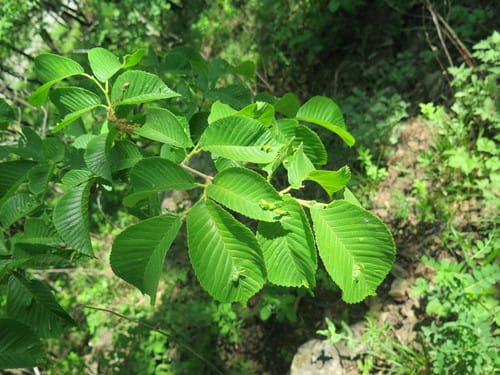
(c) sergeyprokopenko, some rights reserved (CC BY-NC)
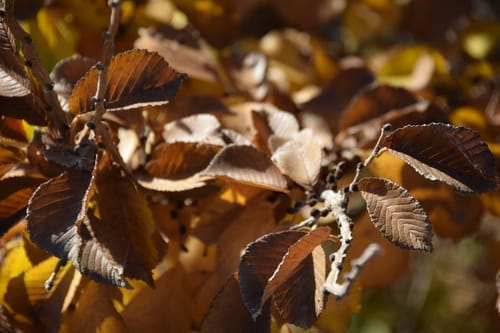
(c) 红梅, some rights reserved (CC BY-NC)
What to Eat
Edible parts: Fruit, Leaves
Leaves can be eaten raw or cooked. The fruits are eaten in sauces but are considered an emergency food, used only when other options are unavailable.
Where to Find It
It is a temperate climate plant. It grows in the eastern forests in Manchuria. In northern China it grows between 700-1,800 m above sea level. It suits hardiness zones 5-9.
Asia, Australia, China, Japan, Korea, Manchuria, Mongolia, Russia, Siberia,
How to Identify
A large shrub. It grows 9 m high and spreads 6 m wide. The young stems are downy. They later have corky bark. The leaves have teeth. The tips of the leaves is pointed. The leaves are downy underneath. The fruit are large and bristly and have notches.
How to Grow
Prefers a fertile soil in full sun, but is easily grown in any soil of at least moderate quality so long as it is well drained. This species is resistant to 'Dutch elm disease', a disease that has destroyed the greater part of all the elm trees growing in Britain. The disease is spread by means of beetles. There is no effective cure (1992) for the problem, but most E. Asian, though not Himalayan, species are resistant (though not immune) to the disease so the potential exists to use these resistant species to develop new resistant hybrids with the native species. The various species of this genus hybridize freely with each other and pollen is easily saved, so even those species with different flowering times can be hybridized.
Propagation: Sow seed in a cold frame as soon as it is ripe — it usually germinates within a few days. Stored seed germinates less reliably and is best sown in early spring. Seed can also be harvested green (fully developed but not yet dried on the tree) and sown immediately in a cold frame, where it will germinate quickly and produce a larger plant by the end of the season. Once large enough to handle, prick seedlings into individual pots and grow on in a greenhouse through their first winter. Plant out in late spring or early summer after the last expected frosts. Do not leave plants in a nursery bed for more than two years, as they develop a tap root and transplant poorly after that point. Propagation is also possible by layering suckers or coppiced shoots.
Medicinal Uses
The seed is anthelmintic, antidote, digestive, febrifuge, parasiticide and beneficial for the skin. The bark contains tannins, is astringent and has antimicrobial properties. It is used in the treatment of chronic diarrhoea and internal parasites.
Other Uses
The plant is used externally against body parasites, though no further details are given. The wood is also used, though no details are provided.
Wikipedia
Source ↗Ulmus macrocarpa Hance, the large-fruited elm, is a deciduous tree or large shrub endemic to the Far East excluding Japan. It is notable for its tolerance of drought and extreme cold and is the predominant vegetation on the dunes of the Khorchin sandy lands in the Jilin province of north-eastern China, making a small tree at the base of the dunes, and a shrub at the top [4].
Names & Synonyms
Deltu, Yu shu
References (7)
- BARANOV,
- Cundall, P., (ed.), 2004, Gardening Australia: flora: the gardener's bible. ABC Books. p 1450
- Flora of China @ efloras.org Volume 5
- J. Bot. 6:332. 1868
- Plants for a Future database, The Field, Penpol, Lostwithiel, Cornwall, PL22 0NG, UK. http://www.scs.leeds.ac.uk/pfaf/
- Sachula, et al, 2020, Wild edible plants collected and consumed by the locals in Daqinggou, Inner Mongolia, China. Journal of Ethnobiology and Ethnomedicine (2020) 16:60
- Wujisguleng, W., & Khasbagen. K., 2010, An integrated assessment of wild vegetable resources in Inner Mongolian Autonomous Region, China. Journal of Ethnobiology and Ethnomedicine 6:34


