Licuala valida
Becc.
Pala
(c) marathontomay, some rights reserved (CC BY-NC)
(c) marathontomay, some rights reserved (CC BY-NC)

(c) Bernard DUPONT, some rights reserved (CC BY)
What to Eat
Edible parts: Palm heart, Cabbage
The fruits are sometimes eaten. A pulpy flesh, though it adheres strongly to the seed. The orange, globose to ovoid fruit is 10 - 20mm long and 12 - 15mm wide, containing a single seed around 8 - 14mm long and 8mm wide. The apical bud is cooked and eaten as a vegetable.
Where to Find It
It is a tropical plant. It grows in low mountainous rainforest. It is cold tender.
Asia, Indonesia, Malaysia, SE Asia,
How to Identify
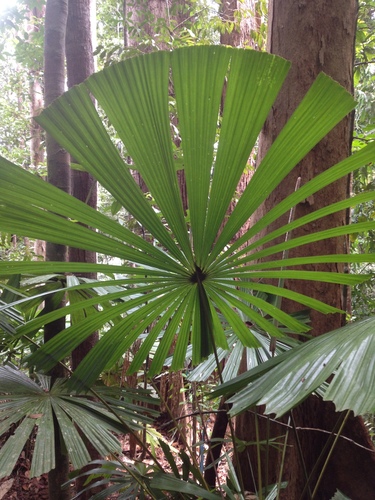
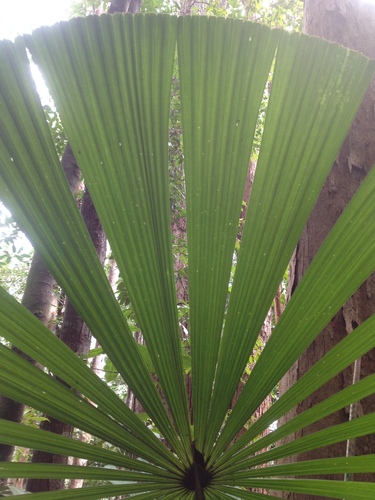
A palm. It has one trunk which grows 60-100 cm tall. The leaves are 1 m wide. They are on leaf stalks 60 cm long. The leaves are round. They are made up of 20 deep segments. Each is broad and wedge shaped. They have deeply toothed tips.
How to Grow
The plant is often found in the wild in Kerangas forest - a type of moist, heath forest found on acidic, sandy soils that are low in nutrients, especially nitrogen.
Other Uses
The fronds are used for thatching as temporary shelters.
Notes
There are 108 Licuala species.
Names & Synonyms
Ilad
References (3)
- Haynes, J., & McLaughlin, J., 2000, Edible palms and Their Uses. University of Florida Fact sheet MCDE-00-50-1 p 7
- Johnson, D.V., 1998, Tropical palms. Non-wood Forest products 10. FAO Rome. p 19
- Riffle, R.L. & Craft, P., 2003, An Encyclopedia of Cultivated Palms. Timber Press. p 372