Salacca vermicularis
Becc.
Lamaying

gbif · cc-by
Royal Botanic Gardens, Kew
Royal Botanic Gardens, Kew

gbif · cc-by
Royal Botanic Gardens, Kew
Royal Botanic Gardens, Kew

gbif · cc-by
Royal Botanic Gardens, Kew
Royal Botanic Gardens, Kew
What to Eat
Edible parts: Fruit, Palm heart, Cabbage
The fruit are edible and often eaten by children. The palm heart (cabbage) is also edible.
Where to Find It
A tropical plant.
Asia, Indonesia, Malaysia, Sarawak, SE Asia,
Countries: United Arab Emirates, Afghanistan, Armenia, Azerbaijan, Bangladesh, Bahrain, Brunei, Bhutan, China, Georgia, Indonesia, Israel, India, Iraq, Iran, Jordan, Japan, Kyrgyzstan, Cambodia, North Korea, South Korea, Kuwait, Kazakhstan, Laos, Lebanon, Sri Lanka, Myanmar, Mongolia, Maldives, Malaysia, Nepal, Oman, Philippines, Pakistan, Qatar, Saudi Arabia, Singapore, Syria, Thailand, Tajikistan, Timor-Leste, Turkmenistan, Turkey, Taiwan, Uzbekistan, Vietnam, Yemen
How to Identify
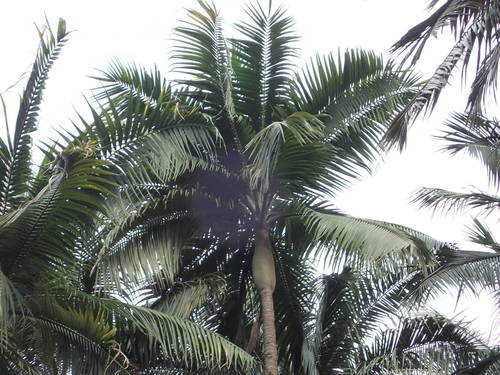
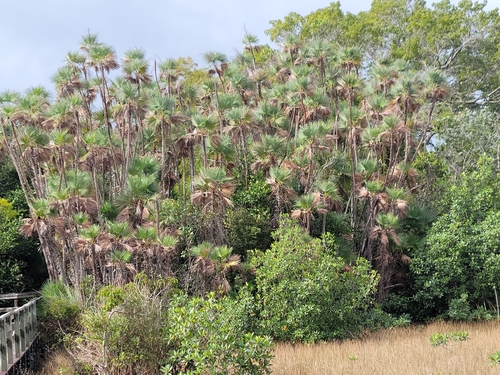
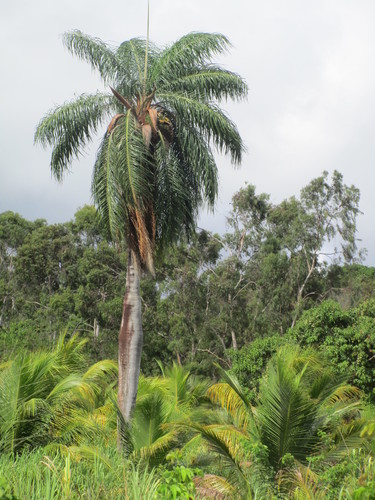
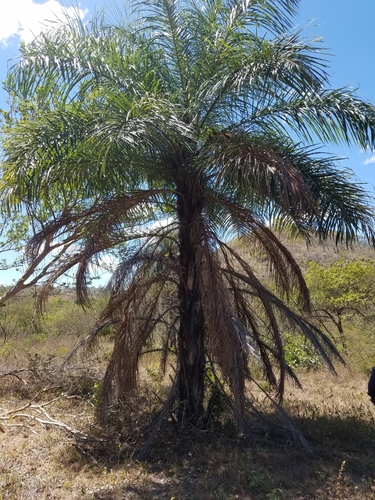
A clustering tropical palm in the Arecaceae family with multiple edible parts. Both the fruit and palm heart (cabbage) are harvested, with fruit being particularly popular among children.
Other Information
The fruit are often eaten by children.
Names & Synonyms
Kepla, Lamayong, Ridan
References (5)
- Chai, P. P. K. (Ed), et al, 2000, A checklist of Flora, Fauna, Food and Medicinal Plants. Lanjak Entimau Wildlife Sanctuary, Sarawak. Forestry Malaysia & ITTO. p 164, 169
- Haynes, J., & McLaughlin, J., 2000, Edible palms and Their Uses. University of Florida Fact sheet MCDE-00-50-1 p 13
- Hoare, A., 2003, Food use of the Lundayeh SW Sabah. Borneo Research Council.
- Johnson, D.V., 1998, Tropical palms. Non-wood Forest products 10. FAO Rome. p 19, 48
- MacKinnon, K., 1981, The Ecology of Kalimantan. p 713