Aiphanes linearis
Burret
Linear ruffle palm
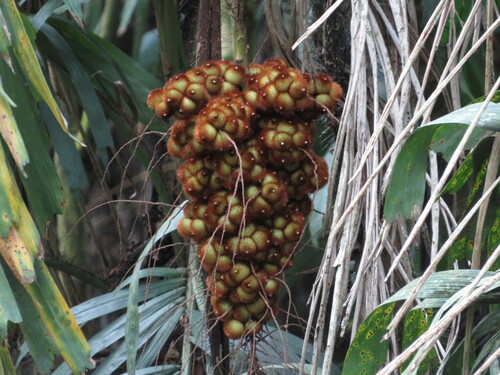
(c) alejandrobalbin, some rights reserved (CC BY-NC)
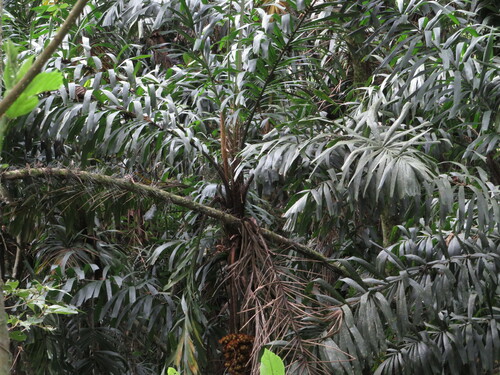
(c) alejandrobalbin, some rights reserved (CC BY-NC)

Field Museum of Natural History - Botany Department | NSF/Mellon - GPI
What to Eat
Edible parts: Fruit, Seeds
The fruit and seeds are edible.
Where to Find It
It is a tropical plant. It grows in the high altitude rainforests at about 1800-2300 m altitude in Colombia.
Colombia, South America,
How to Identify
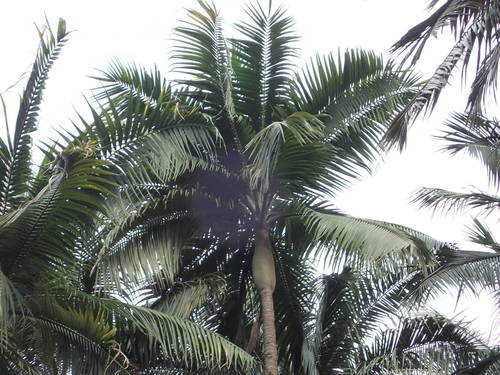
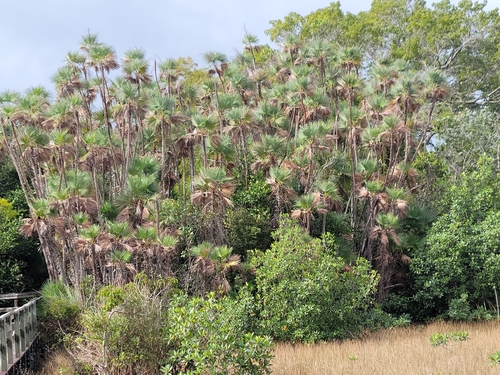
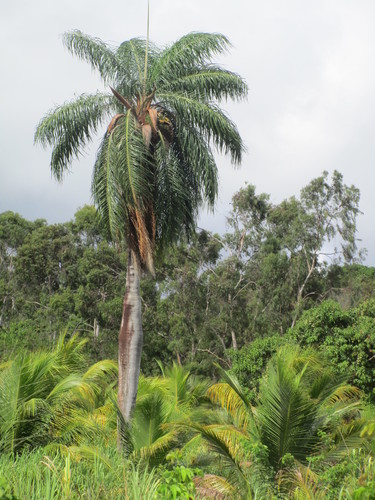
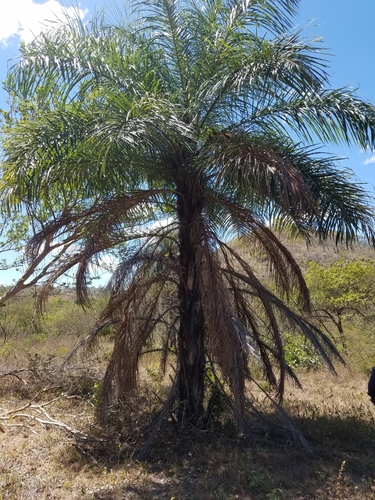
A clumping palm. The trunk can be 6 m high. It has long black spines which bend backwards. The fronds are about 2.5 m long. There can be 80 leaflets. The leaflets are narrow and rigid. They are 45 cm long by 3.5 cm across. They are clustered in groups of 2-4 along the stalk. The fruit have yellow hairs over them. The seeds are edible.
Wikipedia
Source ↗Aiphanes linearis is a species of flowering plant in the family Arecaceae. It is found only in Colombia.
Notes
This is a palm under threat of extinction. Plants should be cultivated before harvesting, not collected from the wild. There are about 38 Aiphanes species. They grow in tropical America.
Names & Synonyms
Chirca, Cirqui, Corocito de agua, Corozo de aguita, Chascaray, Chirca, Chonta
References (9)
- Borchsenius, F., and Bernal, R., 1996, Aiphanes (Palmae) Flora Neotropica. Vol. 70, pp 1-94.
- Grandtner, M. M. & Chevrette, J., 2013, Dictionary of Trees, Volume 2: South America: Nomenclature, Taxonomy and Ecology. Academic Press p 18
- Henderson, A., Galeano, G and Bernal, R., 1995, Field Guide to the Palms of the Americas. Princeton. p 173
- Johnson, D.V., 1998, Tropical palms. Non-wood Forest products 10. FAO Rome. p 85
- Jones, D.L., 1994, Palms throughout the World. Smithtonian Institution, Washington. p 122
- Kermath, B. M., et al, 2014, Food Plants in the Americas: A survey of the domesticated, cultivated and wild plants used for Human food in North, Central and South America and the Caribbean. On line draft. p 36
- Marcia, M. J., et al, 2011, Palm Uses in Northwestern South America: A Quantitative Review. Bot. Rev. (2011) 77:462-570
- Roa, J. A. G. & Boada, D. S. G., 2018, Fundación para el Fortalecimiento de la Fruticultura y Plantas Alimenticias no Convencionales en Colombia.
- World Checklist of Useful Plant Species 2020. Royal Botanic Gardens, Kew