Sabal pumos
(Kunth) Burret
Pumos

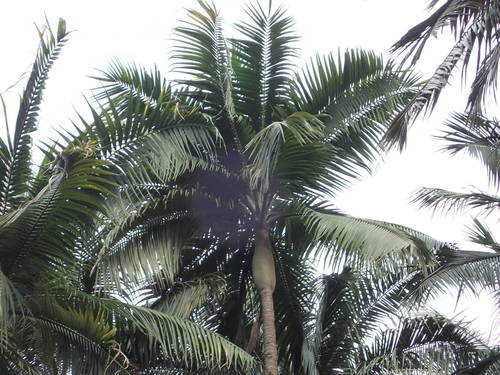
(c) Scott Zona, some rights reserved (CC BY)
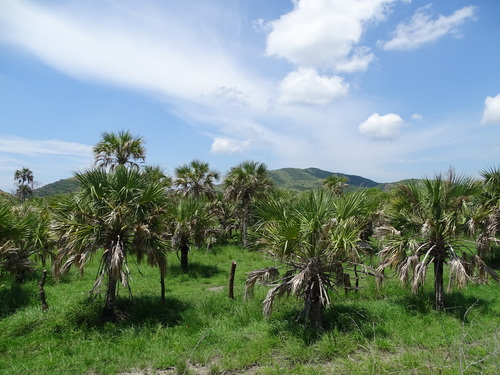
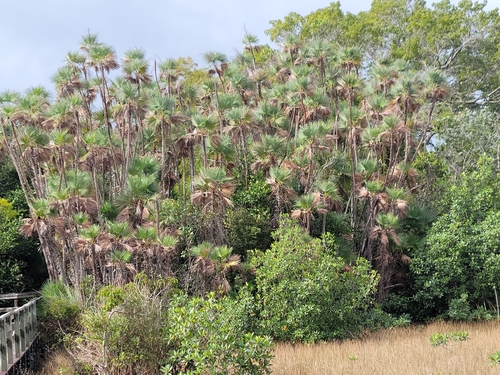
(c) Alexis López Hernández, some rights reserved (CC BY), uploaded by Alexis López Hernández
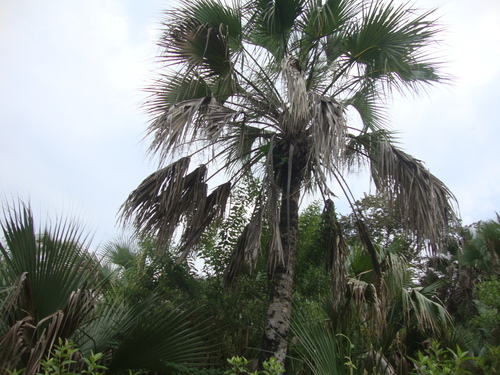
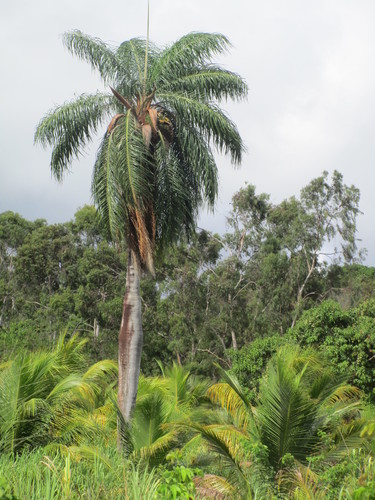
(c) Jonathan Montiel, some rights reserved (CC BY-NC), uploaded by Jonathan Montiel
What to Eat
Edible parts: Fruit
The flesh of the fruit is edible. The greenish, brown-black, globose fruits can be 23mm in diameter.
Where to Find It
It is a tropical plant. It grows on sandy soils between 600-1300 m altitude in Mexico. It grows in tropical deciduous forests of mountainous areas. It needs a fast draining soil. It can tolerate drought.
Central America, Mexico, North America,
How to Identify
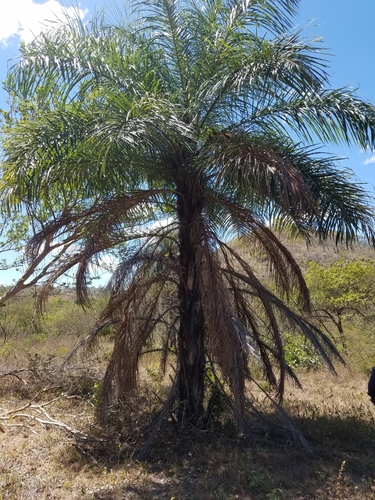
A slender fan palm. It has a single trunk. The trunk can be 15 m tall and 35 cm across. The crown is large and rounded. The leaf stalk extends into the leaves. The leaves bear threads. The flowering stalk is arching or nodding and shorter than the leaf stalk. The fruit are oval or round and greenish-black. They are 18-27 mm across. The fruit are edible.
Other Uses
The leaves are used for thatch. The leaves are used for weaving hats, mats, baskets etc.
Wikipedia
Source ↗Sabal pumos, known as the royal palmetto, is a species of flowering plant in the palm tree family, Arecaceae.
Notes
There are 16 Sabal species.
Names & Synonyms
Palma real
References (5)
- Haynes, J., & McLaughlin, J., 2000, Edible palms and Their Uses. University of Florida Fact sheet MCDE-00-50-1 p 12
- Henderson, A., Galeano, G and Bernal, R., 1995, Field Guide to the Palms of the Americas. Princeton. p 67
- Johnson, D.V., 1998, Tropical palms. Non-wood Forest products 10. FAO Rome. p 86, 94
- Kermath, B. M., et al, 2014, Food Plants in the Americas: A survey of the domesticated, cultivated and wild plants used for Human food in North, Central and South America and the Caribbean. On line draft. p 771
- Riffle, R.L. & Craft, P., 2003, An Encyclopedia of Cultivated Palms. Timber Press. p 448