Attalea exigua
Drude
Babacu, Catole, Indaia rasteir
ArecaceaeFruit

iNaturalist · cc-by-nc-sa
(c) Frutos Atrativos do Cerrado, some rights reserved (CC BY-NC-SA)
(c) Frutos Atrativos do Cerrado, some rights reserved (CC BY-NC-SA)

iNaturalist · cc-by
(c) João Medeiros, some rights reserved (CC BY)
(c) João Medeiros, some rights reserved (CC BY)
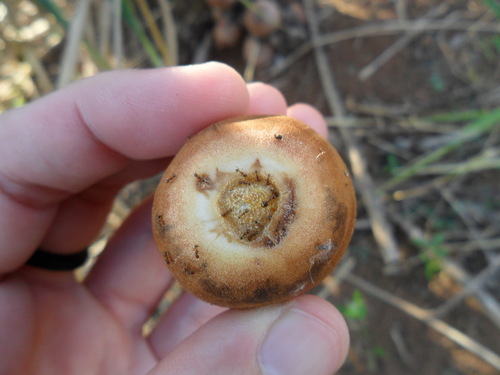
iNaturalist · cc-by
(c) Márcia Martins, some rights reserved (CC BY), uploaded by Márcia Martins
(c) Márcia Martins, some rights reserved (CC BY), uploaded by Márcia Martins
What to Eat
Edible parts: Fruit
The fruit is used to sweeten food.
Where to Find It
A tropical plant. It grows in open locations below 800 m altitude.
Brazil, South America,
How to Identify
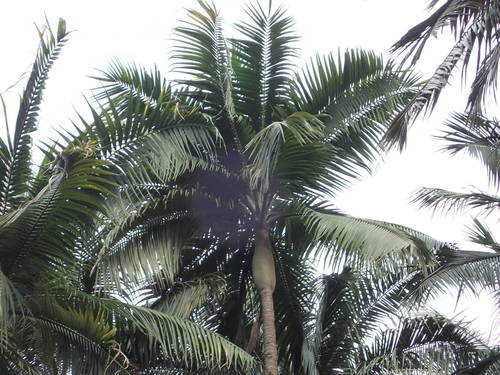
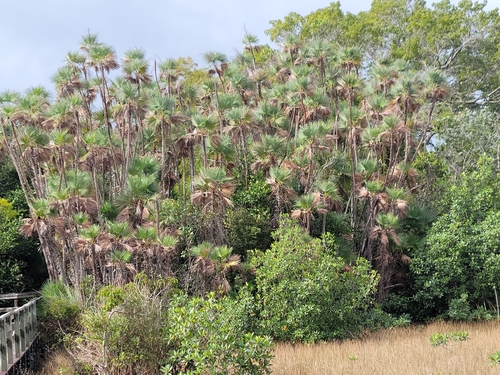
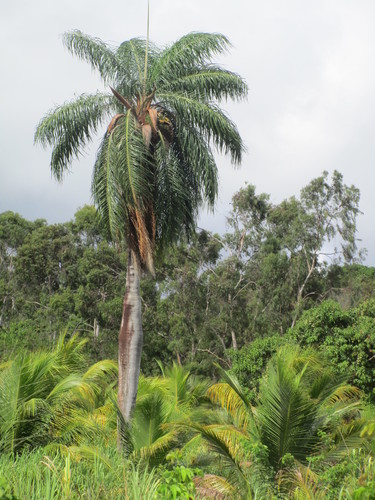
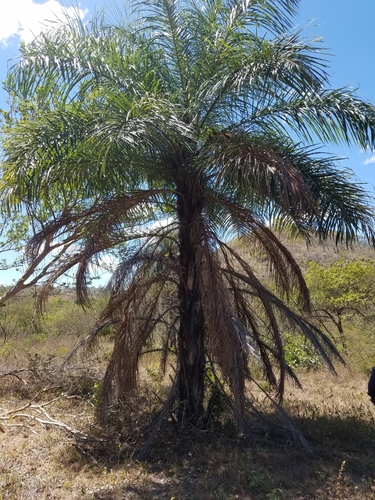
A palm. The stems are short and underground. They can be in clusters. There are 4-8 leaves. These arch over. The leaflets are arranged in clusters and spread in different planes. The flowering stalks are borne among the leaves. The male flowers have flattened petals. The fruit have 1-2 seeds. They are oval. The fruit are 4-6 cm long by 3-5.5 cm across. They are reddish-orange and become dark purple at maturity.
Notes
There are between (22) 30-71 Attalea species. Some authorities divide them among Attalea, Orbignya, Scheela and Maximiliana.
References (4)
- Henderson, A., Galeano, G and Bernal, R., 1995, Field Guide to the Palms of the Americas. Princeton. p 161
- Janick, J. & Paul, R. E. (Eds.), 2008, The Encyclopedia of Fruit & Nuts. CABI p 91
- Johnson, D.V., 1998, Tropical palms. Non-wood Forest products 10. FAO Rome. p 91
- Kermath, B. M., et al, 2014, Food Plants in the Americas: A survey of the domesticated, cultivated and wild plants used for Human food in North, Central and South America and the Caribbean. On line draft. p 107