Dypsis decipiens
(Becc.) Beentje & J. Dransf.
Manambe palm

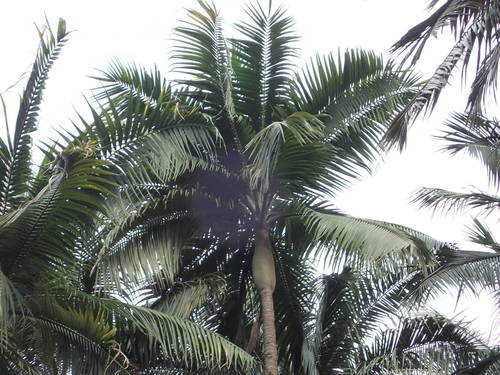
(c) scott.zona, some rights reserved (CC BY)
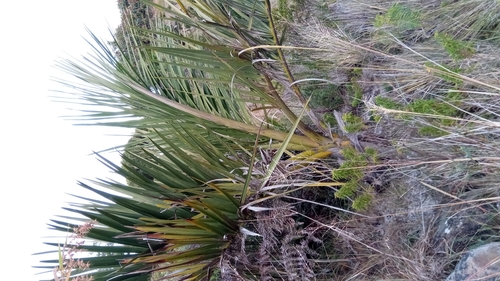
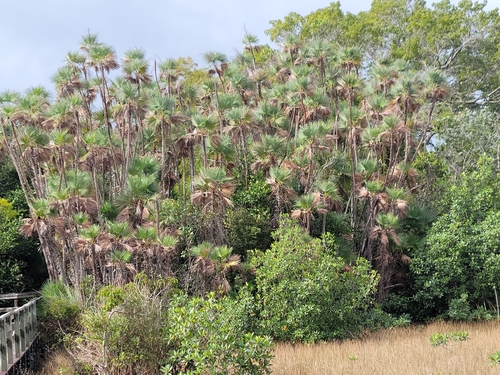
(c) nomentsoa, some rights reserved (CC BY-NC)

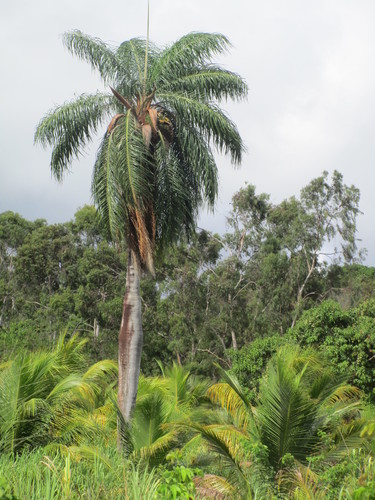
(c) snuroo, some rights reserved (CC BY)
What to Eat
Edible parts: Palm heart, Cabbage, Vegetable
Leaves - cooked. The apical bud, known as a 'palm heart', is eaten as a vegetable. Eating this bud leads to the death of the plant because it is unable to make side-shoots.
Where to Find It
A subtropical plant. It grows on rocky sites between 1400-2000 m altitude in Madagascar. It suits the subtropics. It needs good drainage. It suits a frost less Mediterranean climate. It can stand light frost and tolerate drought.
Africa, Australia, East Africa, Madagascar*, North America, USA,
How to Identify
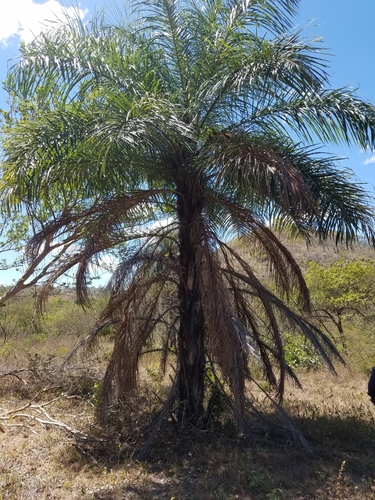
A clustering palm. It can be solitary but often has younger shoots at the base. It grows 6-20 m high. The trunk is fattened in the middle. It is 30-40 cm across at the base then 50-70 cm in the middle and 25-30 cm across near the crown. It has a ringed trunk and a crown-shaft. The leaves are feather shaped and re-curved. The leaflets point upwards. The flower stalks bearing yellow flowers appear below the crown-shaft. The fruit are round and about 2 cm across.
How to Grow
The seeds germinate in about 8 weeks.
Medicinal Uses
The plant (parts not specified but probably the bark and/or the fruits) is used in the treatment of headaches, jaundice and hepatitis; and also as an aid to lactation.
Production
They are slow growing.
Notes
There are 140 Dypsis species.
Names & Synonyms
Betefaka, Sihara leibe
References (8)
- Dransfield, J. & Beentje, H., 1995, The Palms of Madagascar. Royal Botanical Gardens, Kew and The International Palm Society. p 191
- Gibbons, M., 2003, A pocket guide to Palms. Chartwell Books. p 101
- Grubben, G. J. H. and Denton, O. A. (eds), 2004, Plant Resources of Tropical Africa 2. Vegetables. PROTA, Wageningen, Netherlands. p 561
- Hibbert, M., 2002, The Aussie Plant Finder 2002, Florilegium. p 90
- Johnson, D.V., 1998, Tropical palms. Non-wood Forest products 10. FAO Rome. p 113
- Riffle, R.L. & Craft, P., 2003, An Encyclopedia of Cultivated Palms. Timber Press. p 328
- The palms of Madagascar 191. 1995
- World Checklist of Useful Plant Species 2020. Royal Botanic Gardens, Kew