Ravenea glauca
Jum. & H. Perrier,
Majestic palm
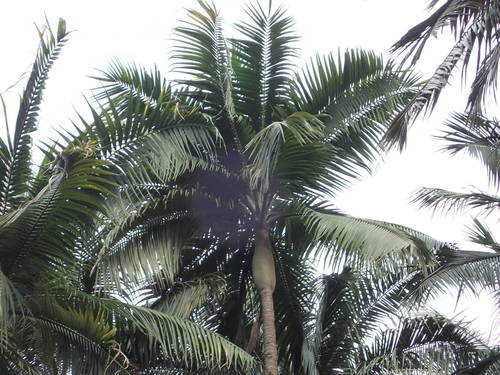
(c) dennis-mada, some rights reserved (CC BY-NC), uploaded by dennis-mada
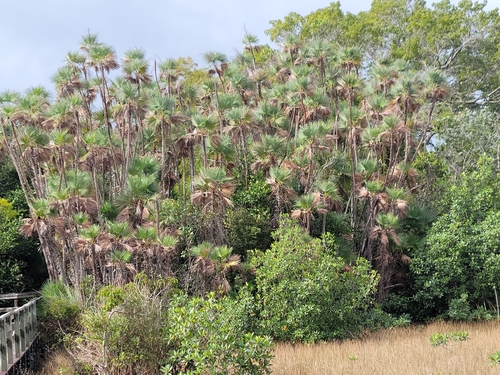
(c) david e leo berton, some rights reserved (CC BY-NC)
What to Eat
Edible parts: Palm heart ?
The palm heart is bitter.
Where to Find It
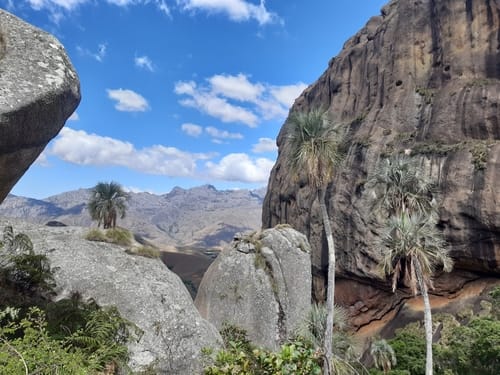
A tropical plant. It grows in dry, evergreen forest in central Madagascar. It grows between 730-1300 m altitude. It can tolerate cold. It does best with light shade when young and can grow in full sun when mature.
Africa, Australia, East Africa, Madagascar,
How to Identify
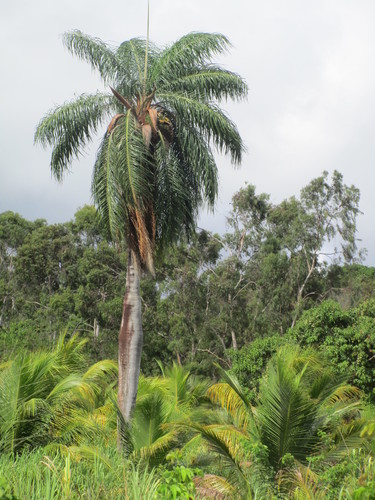
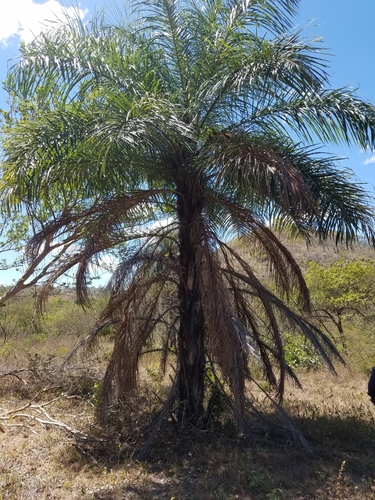
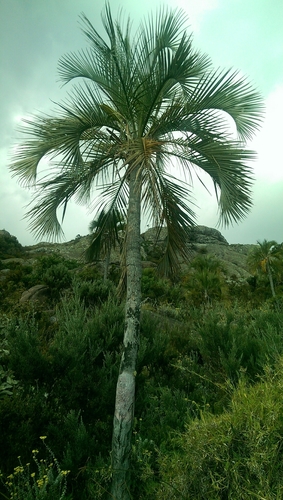
A slender palm. The trunk is light brown. It has indistinct rings. It grows 8 m high. The trunk is 10 cm across. The leaf crown forms a half circle. The leaves are 1.3-2 m long. The leaf stalks are 15 cm long. The leaflets are regularly spaced. They are 60 cm long. They are narrowly sword shaped. They are glossy deep green on both surfaces. The older leaflets hand down. The fruit are 1.2 cm wide. They are round and yellow.
Wikipedia
Source ↗Ravenea glauca is a species of flowering plant in the family Arecaceae. It is found only in Madagascar. It is threatened by habitat loss.
Production
It is slow growing.
Names & Synonyms
Anivo, Sihara
References (5)
- Dransfield, J. & Beentje, H., 1995, The Palms of Madagascar. Royal Botanical Gardens, Kew and The International Palm Society. p 93
- Haynes, J., & McLaughlin, J., 2000, Edible palms and Their Uses. University of Florida Fact sheet MCDE-00-50-1 p 12
- Hibbert, M., 2002, The Aussie Plant Finder 2002, Florilegium. p 245
- Johnson, D.V., 1998, Tropical palms. Non-wood Forest products 10. FAO Rome. p 115
- Riffle, R.L. & Craft, P., 2003, An Encyclopedia of Cultivated Palms. Timber Press. p 431