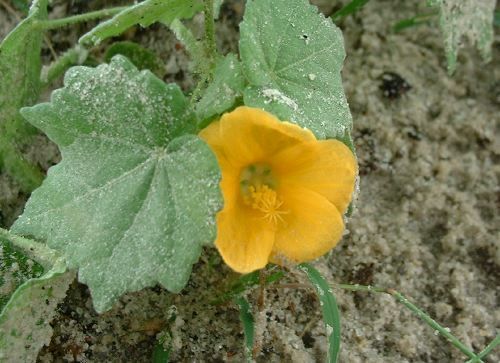
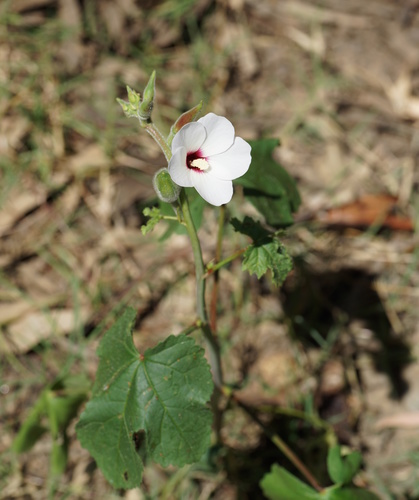
Cola rostrata
K. Schum.
Akoele

gbif · cc-by-nc-sa
MBG
MBG

gbif · cc-by-nc-sa
MBG
MBG

gbif · cc-by-nc-sa
MBG
MBG
What to Eat
Edible parts: Seeds
The seeds are edible.
Known Hazards
Where to Find It
A tropical plant.
Africa, Cameroon, Central Africa, Congo, Congo R, Equatorial Guinea, Gabon, Nigeria, West Africa,
Countries: Angola, Burkina Faso, Burundi, Benin, Botswana, Congo (DRC), Central African Republic, Congo (Republic), Cote d'Ivoire, Cameroon, Cape Verde, Djibouti, Algeria, Egypt, Eritrea, Ethiopia, Gabon, Ghana, Gambia, Guinea, Equatorial Guinea, Guinea-Bissau, Kenya, Comoros, Liberia, Lesotho, Libya, Morocco, Madagascar, Mali, Mauritania, Mauritius, Malawi, Mozambique, Namibia, Niger, Nigeria, Rwanda, Seychelles, Sudan, Sierra Leone, Senegal, Somalia, South Sudan, Sao Tome & Principe, Eswatini, Chad, Togo, Tunisia, Tanzania, Uganda, South Africa, Zambia, Zimbabwe
How to Identify
Cola rostrata is a medium-sized tropical tree that grows to 15 m high with a trunk approximately 40 cm across, belonging to the Malvaceae (formerly Sterculiaceae) family.
Wikipedia
Source ↗Cola rostrata is a species of flowering plant in the family Malvaceae, commonly known as monkey cola or cockroach cola. It is a tree found in the tropical rainforests of Cameroon, Nigeria and Gabon.
Notes
Also put in the family Sterculiaceae.
Names & Synonyms
Mecor
References (7)
- Billong Fils, P. E., et al, 2020, Ethnobotanical survey of wild edible plants used by Baka people in southeastern Cameroon. Journal or Ethnobiology and Ethnomedicine. 16:64 p 7
- Dalziel, 1937,
- Keay, R.W.J., 1989, Trees of Nigeria. Clarendon Press, Oxford. p 133
- Nkeoua, G. & Boundzanga, G. C., 1999, Donnees sur les produits forestieres non ligneux en Republique du Congo. FAO. p 22
- Peters, C. R., O'Brien, E. M., and Drummond, R.B., 1992, Edible Wild plants of Sub-saharan Africa. Kew. p 188
- Vivien, J., & Faure, J.J., 1996, Fruitiers Sauvages d'Afrique. Especes du Cameroun. CTA p 344
- Wickens, G.E., 1995, Edible Nuts. FAO Non-wood forest products. FAO, Rome. p154