Abelmoschus angulosus
Wall. ex Wight & Arn.

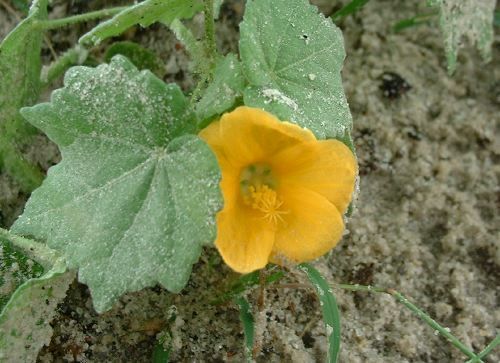
(c) Dinesh Valke, some rights reserved (CC BY-SA)

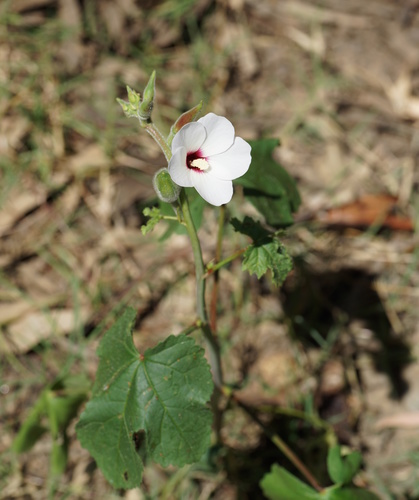
(c) Dinesh Valke, some rights reserved (CC BY-SA)

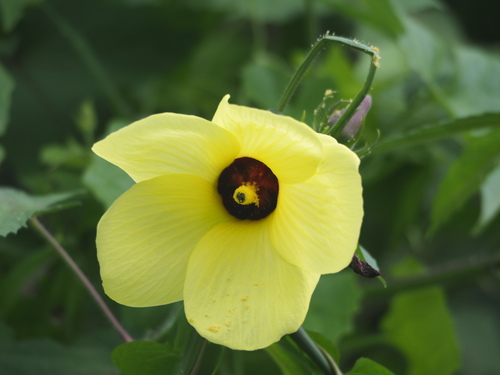
(c) Dinesh Valke, some rights reserved (CC BY-SA)
What to Eat
Edible parts: Flower
The flowers are eaten.
Known Hazards
Where to Find It
It is a tropical plant. It grows between 750-2,000 m above sea level.
Asia, Cambodia, India, Indonesia, Laos, Pakistan, SE Asia, Sri Lanka, Vietnam,
How to Identify
A shrub or small tree. It grows 5 m tall. There are prickles along the stem. The leaves are twice divided and there are 8-18 pairs of pinnae. There are up to 50 pairs of pinnules on each pinnae. The flowers are yellow. They are in large clusters at the ends of branches. The pods are flattened.
How to Grow
It is used as a hedge.
Other Uses
Abelmoschus angulosus is a tertiary genetic relative of, and potential gene donor to okra, Abelmoschus esculentus (L.) Moench. It has confirmed potential disease resistance to yellow vein mosaic virus and powdery mildew. The plant is grown as a hedge, especially in Java.
Wikipedia
Source ↗Abelmoschus angulosus is a plant species in the family Malvaceae, found in the Indian subcontinent, Cambodia, Laos, Vietnam and Indonesia. It grows in temperate and wet regions between 750 and 2000 m, and is the only wild species of the genus Abelmoschus with a notable tolerance to low temperatures and light frost.
Names & Synonyms
Kattuvenda
References (1)
- Ratheesh Narayanan, M. K. et al, 2011, Wild edible plants used by the Kattunaikka, Paniya and Kuruma tribes of Wayanad District, Kerala, India. Journal of Medicinal Plants Research Vol. 5(15), pp. 3520-3529