Microcos triflora
(Blanco) R. C. K. Chung
Kamuling

Conveyor Belt

Ingrid P. Lin

Royal Botanic Gardens, Kew
What to Eat
Edible parts: Fruit
The fruit is eaten.
Where to Find It
A tropical plant. It grows in forests at low and medium levels above sea level. It grows up to 400 m above sea level. It can be on sandy or clay soils but also on limestone.
Asia, Brunei, Indonesia, Malaysia Pacific, Philippines, SE Asia,
How to Identify
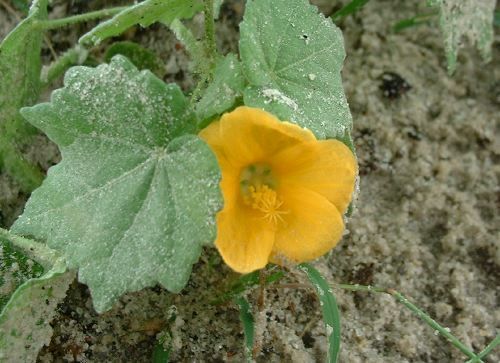
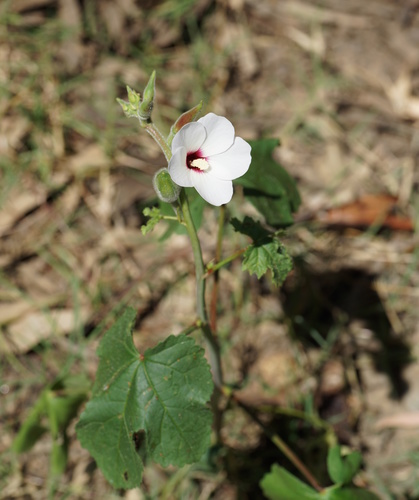
A tree. It grows 15 m tall. It can be 35 m tall. The trunk is 30 cm across. The leaves are alternate and simple. The leaves are sword shaped and 12-18 cm long by 5 cm wide. The flowers are 8 mm across and yellow to pink. The fruit is oval and fleshy. It is 2-3 cm long. It is yellow.
Notes
There are about 200 Grewia species. They are mostly tropical. The fruit of most may be edible. These were in the Sparrmanniaceae and the Tiliaceae. The fruit are rich in iron and calcium. Name unresolved in The plant List.
Names & Synonyms
Karung Bis, Aporong, Pulit, Libah, Mal sumpit, Kamuling, Kiling
References (6)
- Altschul, S.V.R., 1973, Drugs and Foods from Little-known Plants. Notes in Harvard University Herbaria. Harvard Univ. Press. Massachusetts. no. 2729 (As Microcos stylocarpa)
- Brown, W.H., 1920, Wild Food Plants of the Philippines. Bureau of Forestry Bulletin No. 21 Manila. p 110 (As Grewia stylocarpa)
- Perkins, Fragm. fl. Philipp. 1:104. 1904
- PROSEA No. 2 (As Microcos stylocarpa)
- Slik, F., www.asianplant.net
- World Checklist of Useful Plant Species 2020. Royal Botanic Gardens, Kew