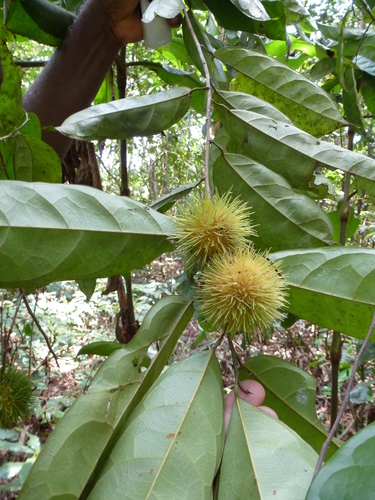
Hydnocarpus alpinus
Wight
Alpinus setumpul tree

(c) Siddarth Machado, some rights reserved (CC BY), uploaded by Siddarth Machado
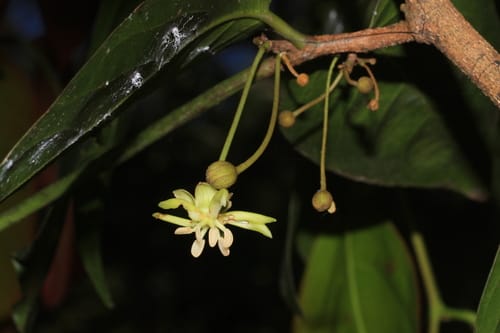
(c) madhavan a.p, some rights reserved (CC BY)
What to Eat
Edible parts: Medicine
Known Hazards
Where to Find It
It is a tropical plant.
Asia, China, India, Indochina, Indonesia, Laos, Myanmar, SE Asia, Singapore, Thailand, Vietnam,
How to Identify
A tree. It grows 15 m tall. The young leaves are red. The leaves are simple and alternate. They are 9-26 cm long by 2.5-8.5 cm wide.
How to Grow
Plants can be grown from seeds.
Propagation: Seed - best sown as soon as it is ripe, when it will usually germinate quickly. Germination of stored seed can be slow, with some species in the genus taking up to 2 years. Sow the seed in a shaded position in a nursery seedbed and keep moist. Grow on the seedlings in shade until large enough to plant out.
Medicinal Uses
The plant is used medicinally.
Other Uses
An oil obtained from the seed is used as a fuel in oil lamps. The following use is more likely to apply to Chlorocarpa pentaschista. See nomenclature notes above. The wood is light brown with streaks of darker colour. It is hard and clearly contains tannins. Of fair quality, it can be used for beams and rafters. The wood makes a good fuel.
Notes
Also put in the Flacourtiaceae family.
Names & Synonyms
Attuchankalai, Kastel, Malamaravetti, Maratatte, Pohon setumpul alpinus, Sanuasolti, Torathi
References (4)
- Ambasta, S.P. (Ed.), 2000, The Useful Plants of India. CSIR India. p 276
- Icon. pl. Ind. orient. 3(3): t. 942. 1845
- Sukarya, D. G., (Ed.) 2013, 3,500 Plant Species of the Botanic Gardens of Indonesia. LIPI p 332 (as alpinus)
- World Checklist of Useful Plant Species 2020. Royal Botanic Gardens, Kew