Attalea oleifera
Barb. Rodr.
Catole
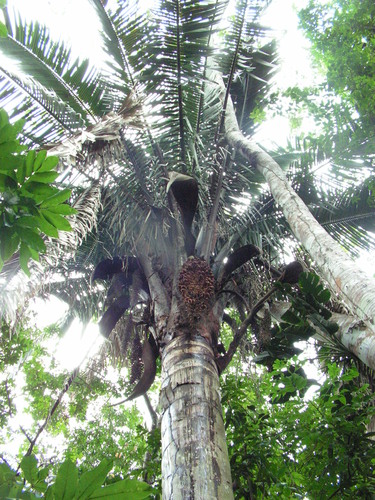
(c) Tarciso Leão, some rights reserved (CC BY-NC), uploaded by Tarciso Leão
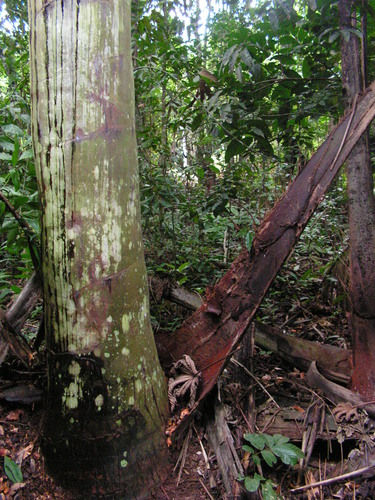
(c) Tarciso Leão, some rights reserved (CC BY-NC), uploaded by Tarciso Leão
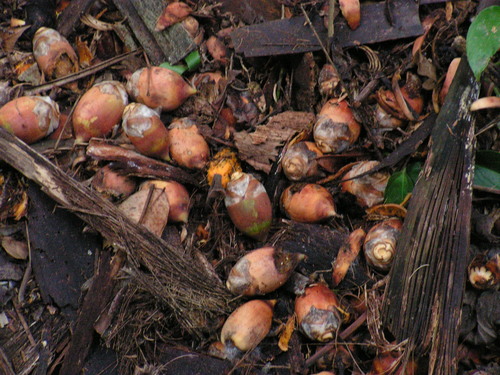
(c) Tarciso Leão, some rights reserved (CC BY-NC), uploaded by Tarciso Leão
What to Eat
Edible parts: Seeds, Nuts, Oil
The seeds and nuts are edible, and oil is extracted from the fruit.
Where to Find It
A tropical plant. It grows in coastal rainforest below 800 m on the Atlantic Coast of Brazil.
Brazil*, South America,
How to Identify
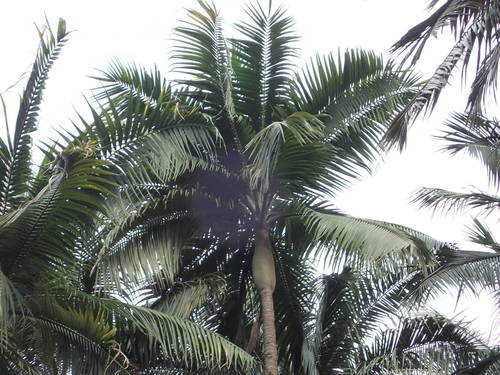
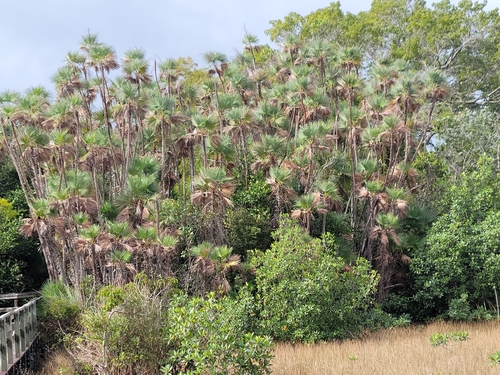
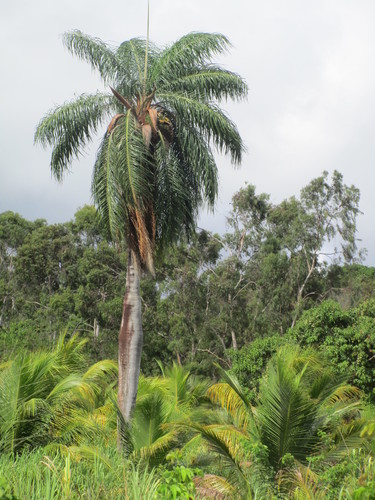
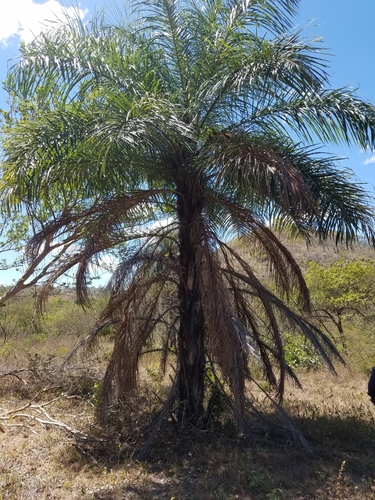
A palm. The stems are straight. They are 3-20 m tall. They can be shorter or taller. The trunk is 30-40 cm across. There are 8-30 leaves. They are held stiffly erect. The leaflets are arranged regularly. They spread in the same plane. The flowering stalks are borne among the leaves. The fruit have 1-4 seeds. They are oval and 7-11 cm long by 4-6 cm wide. They are rusty brown colour.
How to Grow
Prefers a sunny position. Grows best in a moist soil.
Propagation: Seed - sow in a semi-shaded position. Germination can take up to 5 years.
Medicinal Uses
The oil from the seeds is active against the tropical flea chigoes (Tunga penetrans) and erysipelas.
Other Uses
An oil is obtained from the fleshy fruit and another from the seed. They are used for illumination and for making soap. The leaves are used as a thatching material.
Wikipedia
Source ↗Attalea oleifera is a species of flowering plant in the family Arecaceae. It is a palm tree which grows up to 25 meters tall. It is endemic to eastern Brazil, ranging from Paraíba to northern Espírito Santo, where it grows in Cerrado savanna and seasonally-dry semi-deciduous Atlantic Forest.
Notes
There are between (22) 30-71 Attalea species. Some authorities divide them among Attalea, Orbignya, Scheela and Maximiliana.
Names & Synonyms
Andaia, Indaia, Indaja, Ouricuri, Palmeira-indaia
References (10)
- Balick, M.J. and Beck, H.T., (Ed.), 1990, Useful palms of the World. A Synoptic Bibliography. Colombia p 131 (As Attalea compta)
- Glassman, A Taxonomic Treatment of the Palm Subtribe Attaleinae (Tribe Cocoeae). p 57
- Grandtner, M. M. & Chevrette, J., 2013, Dictionary of Trees, Volume 2: South America: Nomenclature, Taxonomy and Ecology. Academic Press p 52
- Hedrick, U.P., 1919, (Ed.), Sturtevant's edible plants of the world. p 86 (As Attalea compta)
- Henderson, A., Galeano, G and Bernal, R., 1995, Field Guide to the Palms of the Americas. Princeton. p 163
- Johnson, D.V., 1998, Tropical palms. Non-wood Forest products 10. FAO Rome. p 85
- Kermath, B. M., et al, 2014, Food Plants in the Americas: A survey of the domesticated, cultivated and wild plants used for Human food in North, Central and South America and the Caribbean. On line draft. p 109
- Menninger, E.A., 1977, Edible Nuts of the World. Horticultural Books. Florida p 127
- Oliviera V. B., et al, 2012, Native foods from Brazilian biodiversity as a source of bioactive compounds. Food Research International 48 (2012) 170-179
- Wickens, G.E., 1995, Edible Nuts. FAO Non-wood forest products. FAO, Rome. p163