Astilbe rivularis
Buch.-Ham. ex D. Don
Pdhah
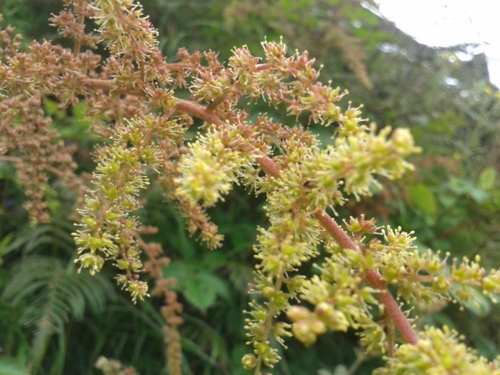
(c) Phuentsho, some rights reserved (CC BY-NC-SA), uploaded by Phuentsho
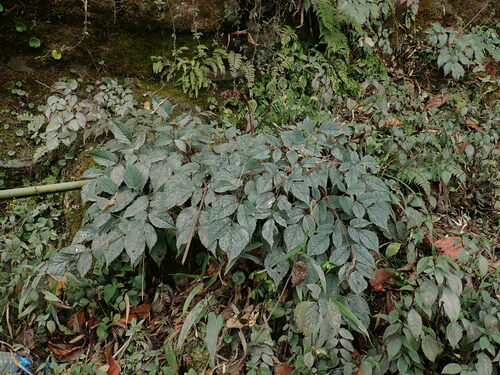
(c) Daniel Cahen, some rights reserved (CC BY)
What to Eat
Edible parts: Leaves, Leaves - tea
The leaves are eaten raw and can be brewed as tea.
Where to Find It
It is a subtropical plant. In Pakistan it grows between 1,300-2,300 m altitude. In Yunnan.
Asia, Bhutan, China, Himalayas, India, Indochina, Indonesia, Laos, Myanmar, Nepal, Northeastern India, Pakistan, SE Asia, Sikkim, Slovenia, Thailand, Tibet, Vietnam,
How to Identify
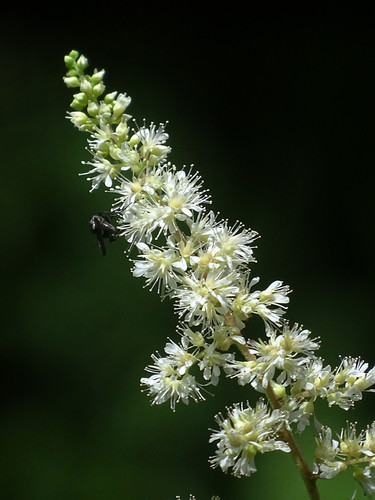
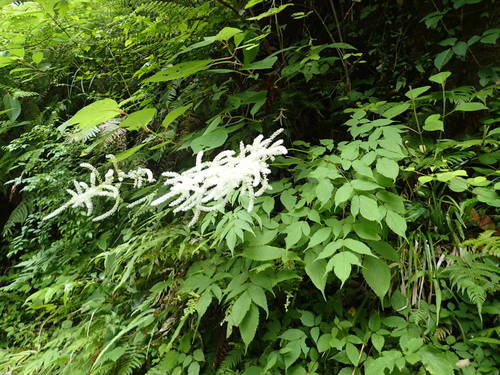
A herb. It grows 1-1.5 m tall. It forms a large clump of leaves. The leaves are deeply divided. The leaves have an uneven number of leaflets with a leaflet at the end. There are 3-5 leaflets and they are 3-8 cm long. The flowering stalks are 2 m long and curve over. The flowers are small and greenish-white. The seed heads are brown.
Notes
There are about 12 Astilbe species. They are temperate plants.
Names & Synonyms
Budho okhati, Buro-okhati, Potočna vrtna kresnica
References (6)
- Flora of China @ efloras.org Volume 8
- Mukhia, P.K., et al, 2013, Wild plants as Non Wood Forest Products used by the rural community of Dagana, a southern foothill district of Bhutan, SAARC Journal, 27 pages
- Prodr. fl. nepal. 211. 1825
- Rao, R.R. & Neogi, B., 1980, Observation on the Ethnobotany of the Khasi and Garo tribes in Meghalaya (India). J. Econ. Tax. Bot. Vol. 1 pp 157-162
- Singh, V. B., et al, (Ed.) Horticulture for Sustainable Income and Environmental Protection. Vol. 1 p 214
- Slocum, P.D. & Robinson, P., 1999, Water Gardening. Water Lilies and Lotuses. Timber Press. p 110