Polygonum muricatum
Meisn.
Jabuit
PolygonaceaeLeaves

iNaturalist · cc-by-nc
(c) 林利玲, some rights reserved (CC BY-NC)
(c) 林利玲, some rights reserved (CC BY-NC)

iNaturalist · cc-by-nc
(c) 林利玲, some rights reserved (CC BY-NC)
(c) 林利玲, some rights reserved (CC BY-NC)
iNaturalist · cc-by-nc
(c) 羅元甫, some rights reserved (CC BY-NC)
(c) 羅元甫, some rights reserved (CC BY-NC)
What to Eat
Edible parts: Leaves
The leaves are cooked as a vegetable.
Where to Find It
It grows in wet valleys. It grows from sea level to 3,300 m above sea level. It grows in wet valleys and ditches. In Sichuan and Yunnan.
Asia, China, Himalayas, India, Japan, Korea, Nepal, Northeastern India, Russia,
Countries: United Arab Emirates, Afghanistan, Armenia, Azerbaijan, Bangladesh, Bahrain, Brunei, Bhutan, China, Georgia, Indonesia, Israel, India, Iraq, Iran, Jordan, Japan, Kyrgyzstan, Cambodia, North Korea, South Korea, Kuwait, Kazakhstan, Laos, Lebanon, Sri Lanka, Myanmar, Mongolia, Maldives, Malaysia, Nepal, Oman, Philippines, Pakistan, Qatar, Russia, Saudi Arabia, Singapore, Syria, Thailand, Tajikistan, Timor-Leste, Turkmenistan, Turkey, Taiwan, Uzbekistan, Vietnam, Yemen
How to Identify
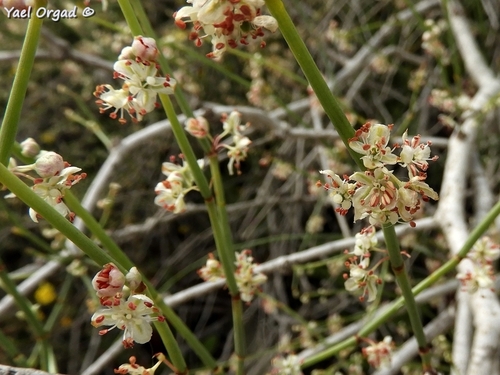
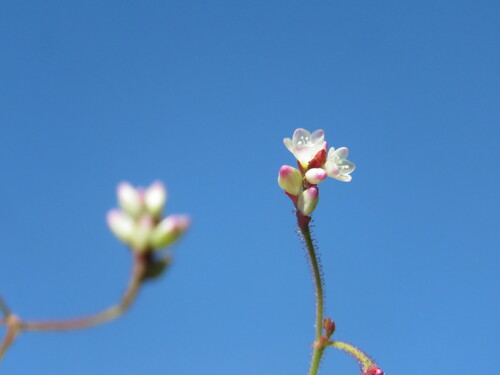
A herb. It grows each year from seed. It lies along the ground and then grows 1 m tall. The branches are angular and have prickles. The leaf blade is 3-6 cm long by 2-3 cm wide. There are some hairs underneath. The flowers are in several spikes grouped together. The fruit are dry, brown, shiny and 3 sided. They are 2-3 mm long.
Names & Synonyms
Xiao liao hua
Persicaria muricata (Meisner) Nemotoand others
References (2)
- Flora of China @ efloras.org Volume 5
- Rao, R.R. & Neogi, B., 1980, Observation on the Ethnobotany of the Khasi and Garo tribes in Meghalaya (India). J. Econ. Tax. Bot. Vol. 1 pp 157-162