Agapetes saligna
(Hook. f.) Hook. f.

iNaturalist · cc-by-nc
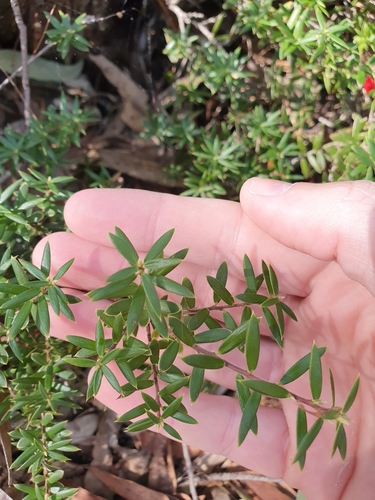
(c) Sangay Wangchuk, some rights reserved (CC BY-NC), uploaded by Sangay Wangchuk
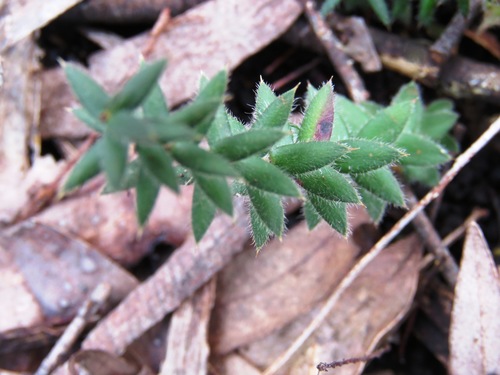
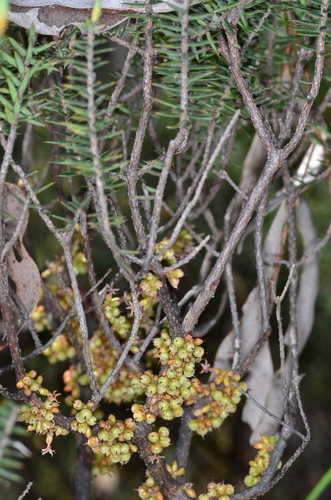
(c) Sangay Wangchuk, some rights reserved (CC BY-NC), uploaded by Sangay Wangchuk
iNaturalist · cc-by-nc
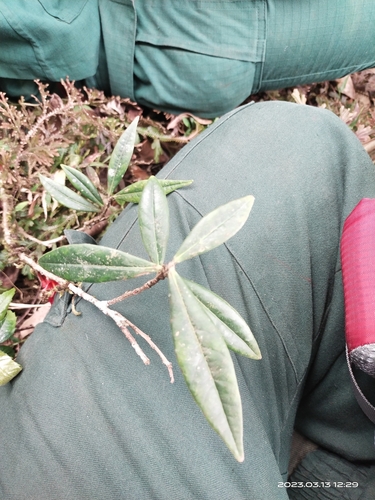
(c) Rinzin Dorji, some rights reserved (CC BY-NC), uploaded by Rinzin Dorji
(c) Rinzin Dorji, some rights reserved (CC BY-NC), uploaded by Rinzin Dorji
What to Eat
Edible parts: Leaves - tea, Flowers
The leaves are used to make a tea-like drink, and the flowers are also edible, though the plant is only occasionally used.
Where to Find It
It is a temperate plant. It needs a temperature above 10°C.
Asia, Himalayas, India, Myanmar, Northeastern India, SE Asia, Sikkim,
Countries: United Arab Emirates, Afghanistan, Armenia, Azerbaijan, Bangladesh, Bahrain, Brunei, Bhutan, China, Georgia, Indonesia, Israel, India, Iraq, Iran, Jordan, Japan, Kyrgyzstan, Cambodia, North Korea, South Korea, Kuwait, Kazakhstan, Laos, Lebanon, Sri Lanka, Myanmar, Mongolia, Maldives, Malaysia, Nepal, Oman, Philippines, Pakistan, Qatar, Saudi Arabia, Singapore, Syria, Thailand, Tajikistan, Timor-Leste, Turkmenistan, Turkey, Taiwan, Uzbekistan, Vietnam, Yemen
How to Identify
A woody evergreen shrub. The leaves are alternate. They are large and leathery. The flowers have 5 lobes.
Other Information
It is only occasionally used.
Notes
There are 80-90 Agapetes species. They are low shrubs. They are mostly in tropical Asia.
Names & Synonyms
Ajeru, Phukup chyo
Pentapterygium
References (6)
- Ambasta S.P. (Ed.), 2000, The Useful Plants of India. CSIR India. p 19
- Biocyclopedia Edible Plant Species. biocyclopedia.org
- Bircher, A. G. & Bircher, W. H., 2000, Encyclopedia of Fruit Trees and Edible Flowering Plants in Egypt and the Subtropics. AUC Press. p 12
- Hedrick, U.P., 1919, (Ed.), Sturtevant's edible plants of the world. p 28
- Lamberton, K (Ed.), 2004, The Australian gardening encyclodepia. Murdoch Books, NSW Australia. p 151
- Savita, et al, 2006, Studies on wild edible plants of ethnic people in east Sikkim. Asian J. of Bio Sci. (2006) Vol. 1 No. 2 : 117-125