Leopoldinia major
Wallace
Jara palm, Yara
ArecaceaeFruit
iNaturalist · cc-by-nc
(c) Nelson Wisnik, some rights reserved (CC BY-NC)
(c) Nelson Wisnik, some rights reserved (CC BY-NC)
iNaturalist · cc-by-nc
(c) Nelson Wisnik, some rights reserved (CC BY-NC)
(c) Nelson Wisnik, some rights reserved (CC BY-NC)
iNaturalist · cc-by-nc
(c) Nelson Wisnik, some rights reserved (CC BY-NC)
(c) Nelson Wisnik, some rights reserved (CC BY-NC)
What to Eat
Edible parts: Fruit
The fruit is burnt and washed to extract a floury substance that is used as salt.
Where to Find It
A tropical plant. They grow on the edges of blackwater rivers in the Amazon.
Amazon, Brazil, Colombia, South America, Venezuela,
How to Identify
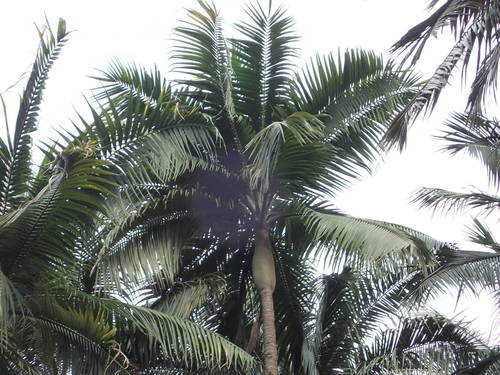
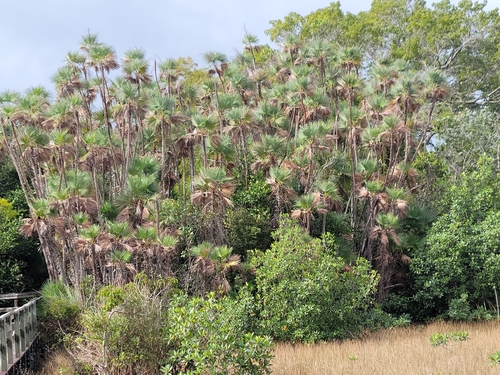
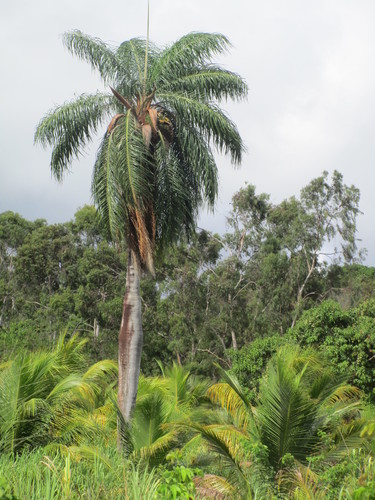
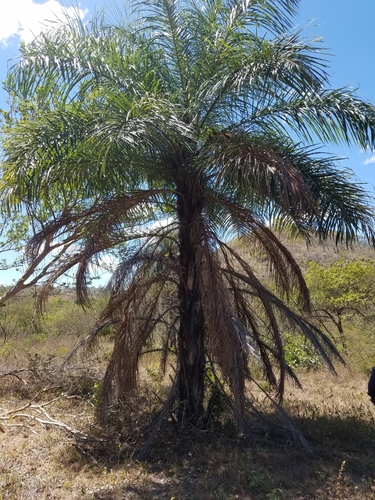
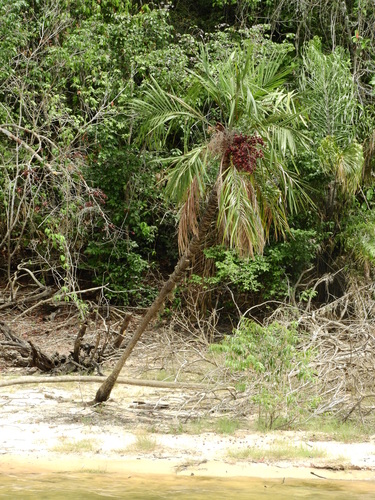
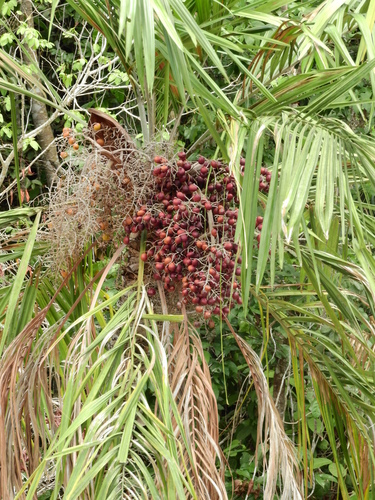
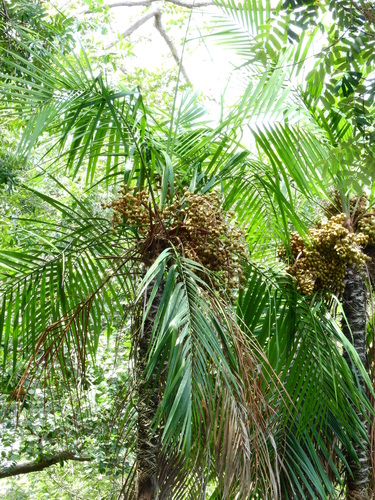
A palm which forms clusters. It grows 3-8 m tall. The trunks are 5-10 cm across. The trunks are covered at least near the top are covered with stiff reddish-brown fibres. There are about 11 leaves. They hang down. The fruit are flat and an irregular round shape. They are 3-4 cm across. They are dull orange-red.
Notes
There are 3 Leopoldinia species.
Names & Synonyms
Chiquichiqui, Jara-acu, Morichita, Iara, Iara-iacu
References (4)
- Hedrick, U.P., 1919, (Ed.), Sturtevant's edible plants of the world. p 376
- Henderson, A., Galeano, G and Bernal, R., 1995, Field Guide to the Palms of the Americas. Princeton. p 119
- Paz, F. S., et al, 2021, Edible Fruit Plant Species in the Amazon Forest Rely Mostly on Bees and Beetles as Pollinators. Journal of Economic Entomology, XX(XX), 2021, 1–13
- Seidemann J., 2005, World Spice Plants. Economic Usage, Botany, Taxonomy. Springer. p 201