Chelyocarpus ulei
Dammer
Xila, Sacha anguaillo
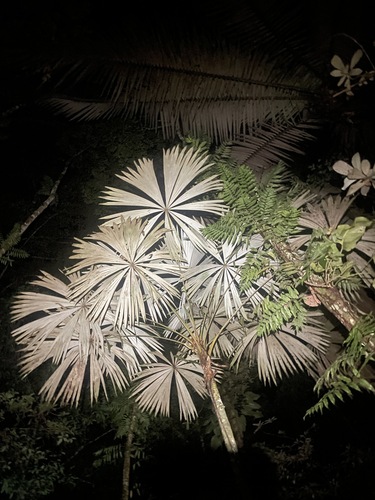
(c) Rajan Rao, some rights reserved (CC BY), uploaded by Rajan Rao

(c) railson, some rights reserved (CC BY-NC)

(c) railson, some rights reserved (CC BY-NC)
What to Eat
Edible parts: Ash - salt, Fruit, Seed
The fruit is eaten, the liquid endosperm is drunk, and vegetable salt is extracted from burnt stems in Colombia.
Where to Find It
It is a tropical plant. It grows in lowland rainforest in the Amazon. It grows in both flooded and non flooded areas. It is usually below 500 m altitude but can be up to 900 m altitude.
Amazon, Brazil, Colombia, Ecuador, Peru, South America,
How to Identify
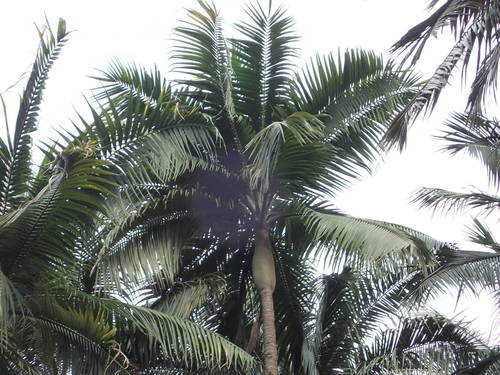
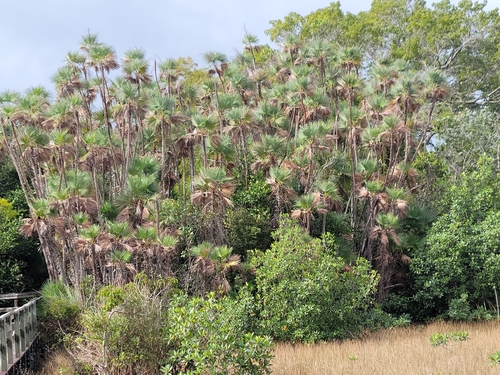
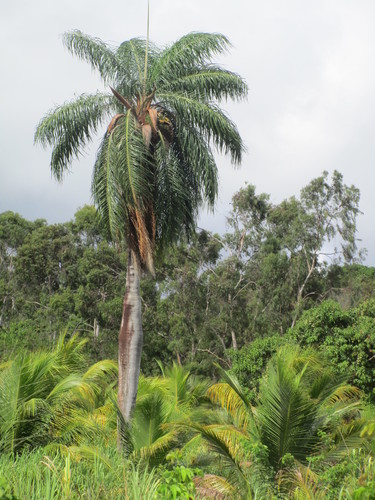
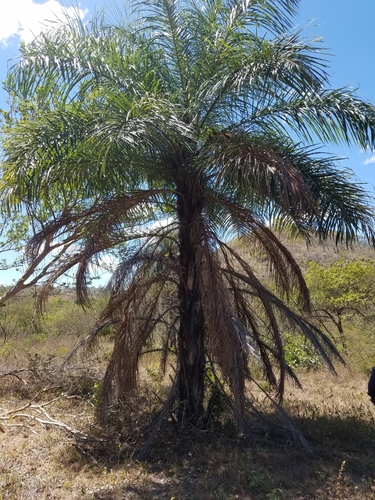
A single stem palm. It grows 1-8 m tall. The stem is 4-7 cm across. There are 10-15 leaves. The blade is 1-1.5 m across. It is white on the lower surface. The leaves are split into 5-12 leaflets.
Wikipedia
Source ↗Chelyocarpus ulei is a species of palm tree that is native to the western Amazon.
Notes
There are 4 Chelyocarpus species.
Names & Synonyms
Chila, Gabamo, Gaban, Gabana, Gabawe, Ne'e, Sacha bombanaje, Ushpa aguaje, Xila
References (7)
- Grandtner, M. M. & Chevrette, J., 2013, Dictionary of Trees, Volume 2: South America: Nomenclature, Taxonomy and Ecology. Academic Press p 124
- Henderson, A., Galeano, G and Bernal, R., 1995, Field Guide to the Palms of the Americas. Princeton. p 39
- Kermath, B. M., et al, 2014, Food Plants in the Americas: A survey of the domesticated, cultivated and wild plants used for Human food in North, Central and South America and the Caribbean. On line draft. p 214
- Marcia, M. J., et al, 2011, Palm Uses in Northwestern South America: A Quantitative Review. Bot. Rev. (2011) 77:462-570
- Roa, J. A. G. & Boada, D. S. G., 2018, Fundación para el Fortalecimiento de la Fruticultura y Plantas Alimenticias no Convencionales en Colombia.
- Torre, de la L., et al, 2008, Enciclopedia de las Plantas Útiles del Ecuador. Herbario QCA. Pontificia Universidad Católica del Ecuador. p 199
- World Checklist of Useful Plant Species 2020. Royal Botanic Gardens, Kew