Eucryphia lucida
(Labill.) Baill.
Tasmanian leatherwood

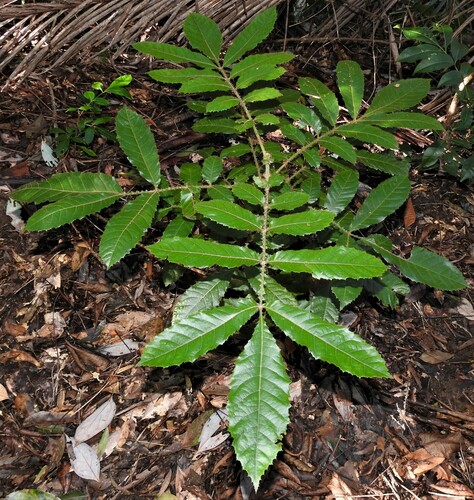
(c) bushtreks, some rights reserved (CC BY-NC)

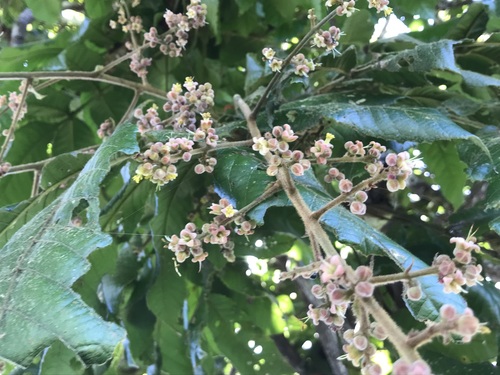
(c) dracophylla, some rights reserved (CC BY-NC-SA)
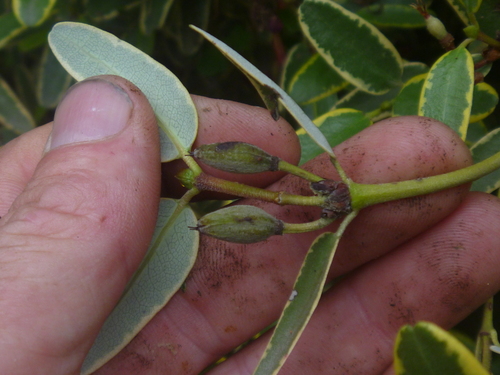
(c) Dave Holland, some rights reserved (CC BY-NC), uploaded by Dave Holland
What to Eat
Edible parts: Flowers - honey
None known
Where to Find It
It is a temperate plant. Arboretum Tasmania. Hobart Botanical Gardens.
Australia*, Tasmania*,
How to Identify
A small tree. It grows 7 m high. The leaves are small. The flowers are white and occur in large numbers.
How to Grow
Propagation: Sow seed in February in a greenhouse, having stored it cool and dry over winter. Germination is usually good. When large enough to handle, prick seedlings out into individual pots and grow on under glass for at least the first winter. Plant out in late spring or early summer after the last expected frosts. Take cuttings of half-ripe wood, 6–8cm with a heel, in June/July, placed in individual pots in a frame — they root in 5–6 weeks, though success rates vary. Layering in late summer takes 16 months but gives a high success rate.
Medicinal Uses
Antiseptic and styptic.
Other Uses
Can be grown as a hedge.
Wikipedia
Source ↗Eucryphia lucida, the leatherwood, is a species of tree or large shrub endemic to forests of western Tasmania, Australia. An attractive plant used in both horticulture and apiculture, it was promoted by the Tasmanian Branch of the then SGAP as an alternative to the Tasmanian blue gum (Eucalyptus globulus) for Tasmania's floral emblem. It was described as E. billiarderi at one stage, this now being a synonym.
Notes
It has also been put in the family Eucryphiaceae.
References (3)
- Facciola, S., 1998, Cornucopia 2: a Source Book of Edible Plants. Kampong Publications, p 100
- Hist. pl. 1:401, in adnot. 1869
- Ryan, S., 2008, Dicksonia. Rare Plants Manual. Hyland House. p 25