Cunonia capensis
L.

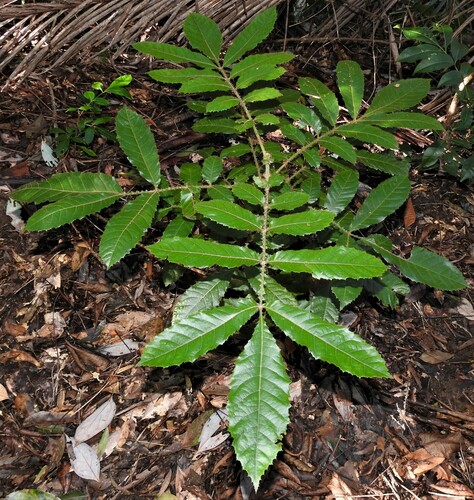
(c) Tony Rebelo, some rights reserved (CC BY-SA), uploaded by Tony Rebelo

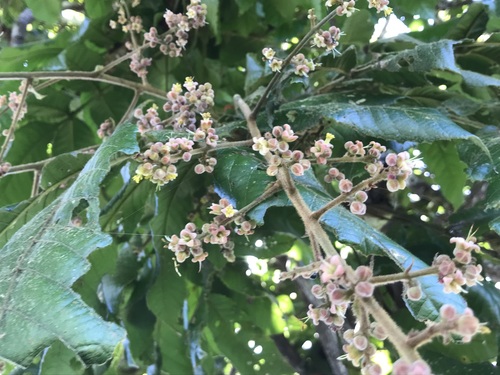
(c) Mike Lusk, some rights reserved (CC BY-NC), uploaded by Mike Lusk
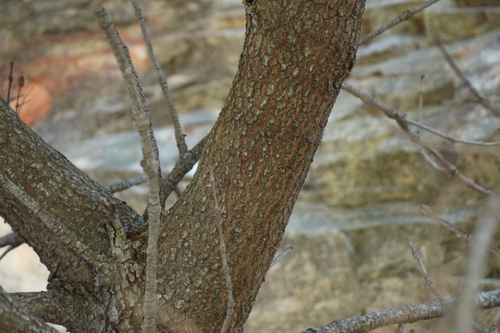
(c) Sandra Falanga, some rights reserved (CC BY-NC), uploaded by Sandra Falanga
What to Eat
Edible parts: Flowers
The flowers are eaten as a snack.
Where to Find It
It is a subtropical plant. It grows near stream banks and in forests.
Africa, South Africa, Southern Africa,
How to Identify
A tree. It grows 30 m tall. The leaves are opposite and have leaflets along the stalk. The leaflets are narrowly oval with teeth along the edge. The flowers are in dense groups. They are whitish and have a scent.
How to Grow
A plant of the moist tropics and subtropics, growing in areas with a distinct dry season. It can tolerate some frost. Dislikes very hot, dry conditions. The young plants will need plenty of water and a sheltered aspect. Apparently one of the fastest growing of South Africa's forest trees.
Propagation: The seed is very fine. It is best sown in seed trays and then covered very lightly with finely sifted soil.
Medicinal Uses
The tree is reportedly used for treating nervous complaints.
Other Uses
The wood has a fine grain and is relatively hard and heavy. It is moderately light, soft, compact, durable in water and takes a polish. It has been used to make furniture and wagons.
Wikipedia
Source ↗Cunonia capensis, the butterspoon tree, butterknife tree, African red alder, red alder or rooiels, is a small tree found in the afromontane forests of southern Africa, and along rivers. It is grown as an ornamental in gardens for its attractive glossy foliage and its clusters of tiny, scented, white flowers. It is the only one of 24 species of Cunonia to occur outside of New Caledonia in the Pacific.
References (2)
- Ruiters-Welcome, A. K., 2019, Food plants of southern Africa. Ph.D. thesis. Univ. of Johannesburg p 51
- Welcome, A. K. & Van Wyk, B.-E., 2019, An inventory and analysis of the food plants of southern Africa. South African Journal of Botany 122 (2019) 136–179