Bactris ferruginea
Burret
Mane-velho

(c) Geovane Siqueira, some rights reserved (CC BY-NC), uploaded by Geovane Siqueira
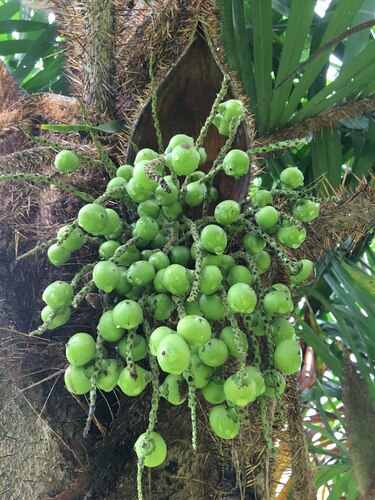
(c) Geovane Siqueira, some rights reserved (CC BY-NC)
What to Eat
Edible parts: Fruit
Fruit - raw. The black fruit has a thin, succulent pulp with a pleasant, very sweet flavour. The fruit is about 2cm in diameter.
Where to Find It
It is a tropical plant. It grows in coastal forests near the Atlantic in Brazil.
Brazil*, South America,
How to Identify
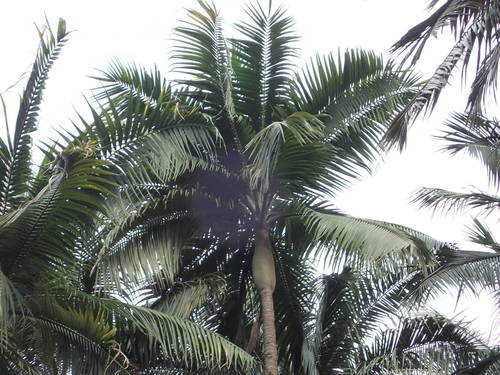
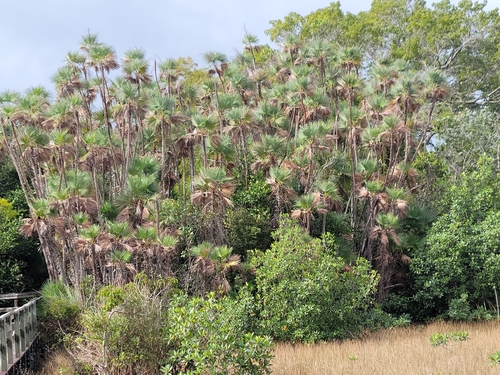
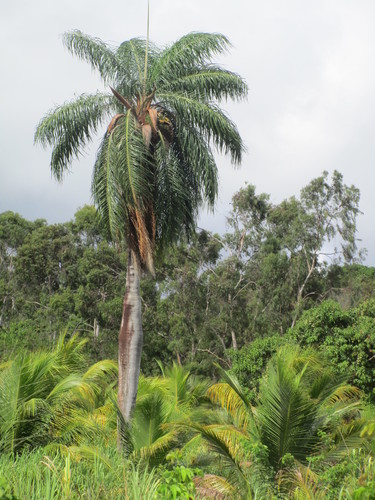
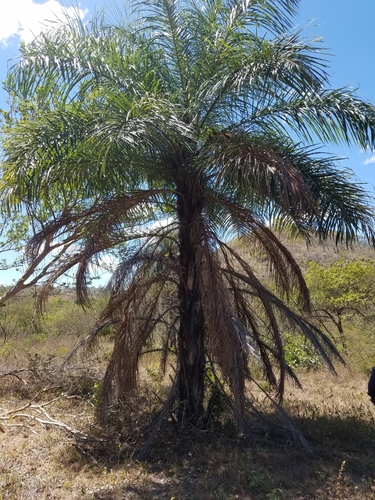
A palm. It grows in tufts and is spiny. It grows 4-9 m tall. The stem is erect. It is 6-10 cm across. It is densely covered with spines. These are 3-8 cm long. The leaves have leaflets along their length There are 33-54 leaflets. They are in groups of 2-6. They occur in more than one plane. The flowering stalk is within the leaves and has many branches and hangs down. The fruit are black when ripe. The pulp is thin and juicy and sweet.
How to Grow
Plants are grown from seed.
Other Uses
Fibres extracted from the leaves are used in making string.
Other Information
Fruit are sold in local markets. They are popular.
Names & Synonyms
Coco-de-fuso, Coquino, Mane-veio, Tucum
References (2)
- Grandtner, M. M. & Chevrette, J., 2013, Dictionary of Trees, Volume 2: South America: Nomenclature, Taxonomy and Ecology. Academic Press p 56
- Lorenzi, H., Bacher, L., Lacerda, M. & Sartori, S., 2006, Brazilian Fruits & Cultivated Exotics. Sao Paulo, Instituto Plantarum de Estuados da Flora Ltda. p 69