Bactris setosa
Mart.
Jucum palm, Tucum
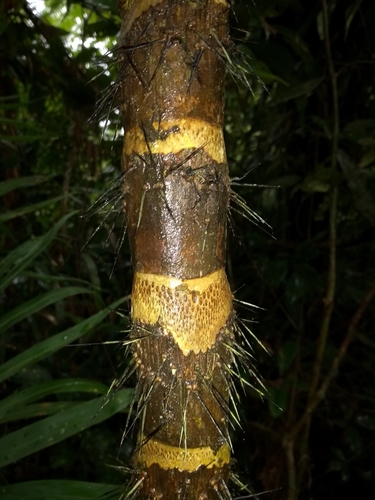
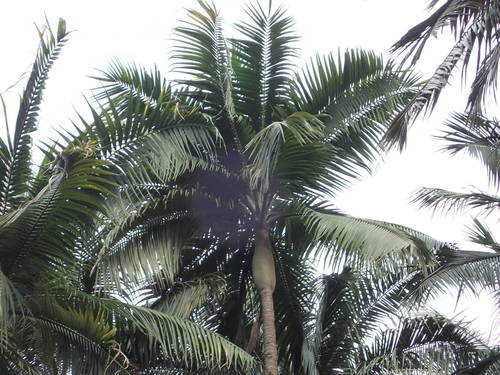
(c) João Gava Just, some rights reserved (CC BY-NC), uploaded by João Gava Just

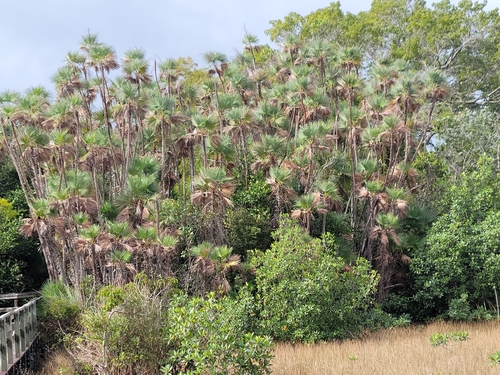
(c) Liu Idárraga Orozco, some rights reserved (CC BY-NC), uploaded by Liu Idárraga Orozco
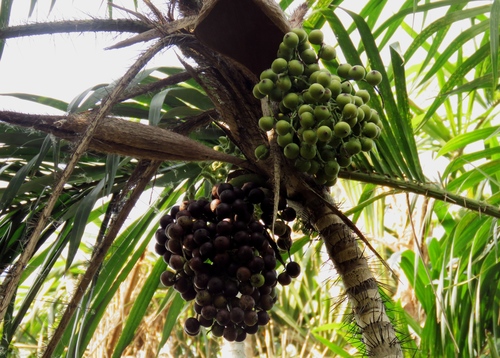
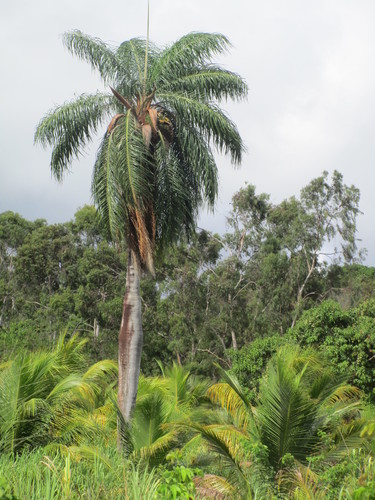
(c) Flávio Mendes, some rights reserved (CC BY-NC), uploaded by Flávio Mendes
What to Eat
Edible parts: Fruit, Seeds, Oil, Drinks, Palm heart
The fruit are eaten fresh. The seeds, oil, and palm heart are also edible, and drinks can be made from them.
Where to Find It
It is a tropical plant. It grows in the understorey in damp or swampy soils in the Atlantic forest in Brazil.
Brazil*, Ecuador, South America,
How to Identify
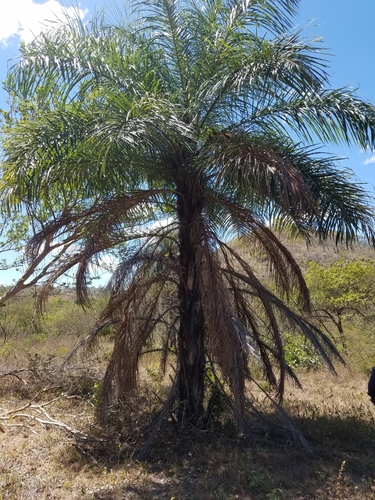
A clumpy palm. It forms clumps up to 6 m tall. The stems have rings and have spines along them. There are 2-5 leaves per stem. There are 30-57 leaflets on each side. They are in groups of 4-7 and arranged in various planes. The flowering stalk comes from between the leaves. The fruit have a thin, succulent pulp and are sweet.
How to Grow
Plants are grown by seed.
Other Uses
A fibre in the leaves, known as Tecum, is very strong. It is used for fishing nets, lines, hats, ropes and hammocks.
Other Information
The fruit are popular.
Names & Synonyms
Chonta, Jacum, Jucum, Tucun, Tuncum, Mucuri, Pi-cani-chi, Ticum, Tucum-do-brejo, Tucum-piranga, Tucunzeiro
References (9)
- Barfod, A. S. & Kvist, L. P., 1996, Comparative Ethnobotanical Studies of the Amerindian Groups in Coastal Ecuador. The Danish Academy of Sciences and Letters. p 77, 80
- Brack, P., et al, 2020, Frutas nativas do Rio Grande do Sul, Brasil: riqueza e potencial alimentício. Native fruits of Rio Grande do Sul, Brazil: richness and potential as food. Rodriguésia 71: e03102018.
- Grandtner, M. M. & Chevrette, J., 2013, Dictionary of Trees, Volume 2: South America: Nomenclature, Taxonomy and Ecology. Academic Press p 57
- Hist. nat. palm. 2:94. 1826
- Janick, J. & Paul, R. E. (Eds.), 2008, The Encyclopedia of Fruit & Nuts. CABI p 103
- Kermath, B. M., et al, 2014, Food Plants in the Americas: A survey of the domesticated, cultivated and wild plants used for Human food in North, Central and South America and the Caribbean. On line draft. p 118
- Kinupp, V. F., 2007, Plantas alimenticias nao-convencionais da regiao metropolitana de Porto Alegre, RS, Brazil p 63
- Leal, M. L. et al, 2018, Knowledge, use, and disuse of unconventional food plants. Journal of Ethnobiology and Ethnomedicine (2018) 14:6
- Lorenzi, H., Bacher, L., Lacerda, M. & Sartori, S., 2006, Brazilian Fruits & Cultivated Exotics. Sao Paulo, Instituto Plantarum de Estuados da Flora Ltda. p 71