Xylopia hypolampra
Mildbr.

(c) Nick Helme, some rights reserved (CC BY-NC), uploaded by Nick Helme
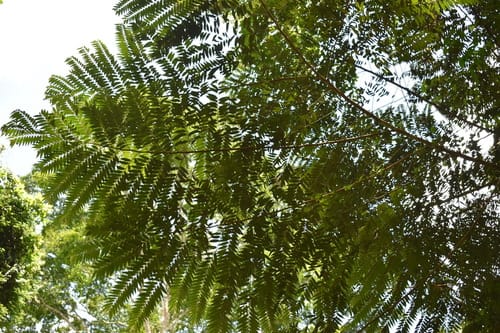
(c) joeymo, some rights reserved (CC BY-NC)

(c) joeymo, some rights reserved (CC BY-NC)
What to Eat
Edible parts: Seeds, Spice, Flower, Leaves
The seeds are used in soups and stews, and can also be used as a spice. The flowers and leaves are also edible.
Where to Find It
It is a tropical plant. It grows in humid forest. It grows between 400-900 m above sea level.
Africa, Angola, Cabinda, Cameroon, Central Africa, Central African Republic, CAR, Congo DR, Congo R, Gabon, West Africa,
How to Identify
A tree. It grows 20 m tall. It can be 43 m tall. The trunk can be 80 cm across. The leaves are 4-9 cm long by 2 cm wide. The leaves are dark green above and whitish underneath. They have long silky hairs. The flowers occur singly in the axils of the leaves. The fruit are 4-5 cm long by 2-3 cm wide. The fruit split open revealing the seeds and aril. The fruit have a dull brown exterior and bright red interior.
Production
Plants fruit in February.
Names & Synonyms
Canzi, Ekui, Lucanga, Molo-nzange, Moundiye, Ndong-eli, Nyanghogha, Odjobi, Otoh, Sangi
References (6)
- Billong Fils, P. E., et al, 2020, Ethnobotanical survey of wild edible plants used by Baka people in southeastern Cameroon. Journal or Ethnobiology and Ethnomedicine. 16:64 p 9
- Harris, D. J., 2002, The vascular plants of the Dzanga-Sangha Reserve, Central African Republic. National Botanic Garden of Belgium, 2002. – 274 pages p 47
- Johnson, D. M., 2018, A revision of Xylopia L. (Annonaceae): the species of Tropical Africa. PhytoKeys 97: 1–252
- Raponda-Walker, A & Sillans, R., 1961, Les Plantes Utiles du Gabon. Editions Paul Lechevalier, Paris. p 72 (As Xylopia brieyi)
- World Checklist of Useful Plant Species 2020. Royal Botanic Gardens, Kew
- Zapfack, L., et al, 2001, Ethnobotanical Survey of the Takamanda Forest Reserve. Consultancy Report PROFA, Cameroon. p 23


