Brahea aculeata
(Brandegee) H. E. Moore
Palmilla
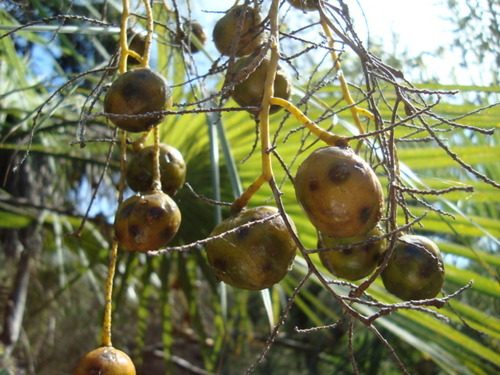
ArecaceaeFruit
iNaturalist · cc-by
(c) Franceli Macedo, some rights reserved (CC BY), uploaded by Franceli Macedo
(c) Franceli Macedo, some rights reserved (CC BY), uploaded by Franceli Macedo
iNaturalist · cc-by
(c) Franceli Macedo, some rights reserved (CC BY), uploaded by Franceli Macedo
(c) Franceli Macedo, some rights reserved (CC BY), uploaded by Franceli Macedo

iNaturalist · cc-by-nc
(c) JESÚS ALFREDO CARRILLO GARCÍA, some rights reserved (CC BY-NC), uploaded by JESÚS ALFREDO CARRILLO GARCÍA
(c) JESÚS ALFREDO CARRILLO GARCÍA, some rights reserved (CC BY-NC), uploaded by JESÚS ALFREDO CARRILLO GARCÍA
What to Eat
Edible parts: Fruit
The fruit are eaten.
Where to Find It
A tropical plant. It does not suit the humid tropics.
Mexico, North America,
Countries: Antigua & Barbuda, Barbados, Bahamas, Belize, Canada, Costa Rica, Cuba, Dominica, Dominican Republic, Grenada, Guatemala, Honduras, Haiti, Jamaica, St Kitts & Nevis, St Lucia, Mexico, Nicaragua, Panama, Puerto Rico, El Salvador, Trinidad & Tobago, United States, St Vincent
How to Identify
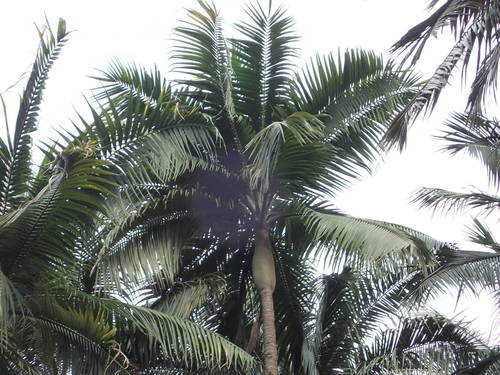
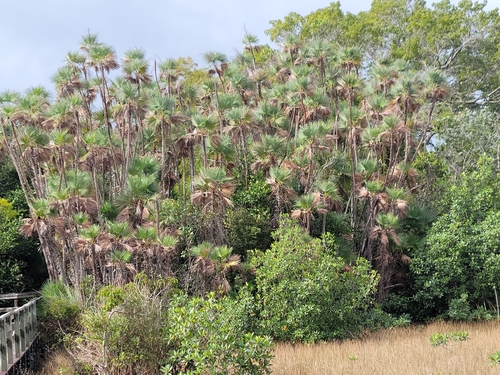
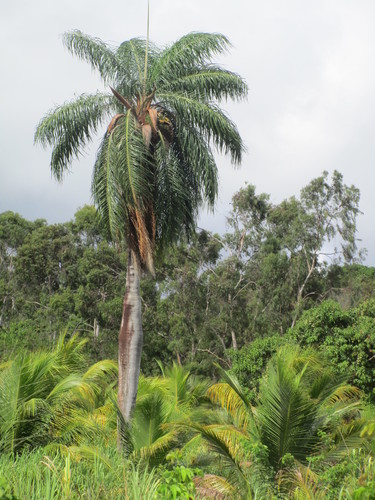
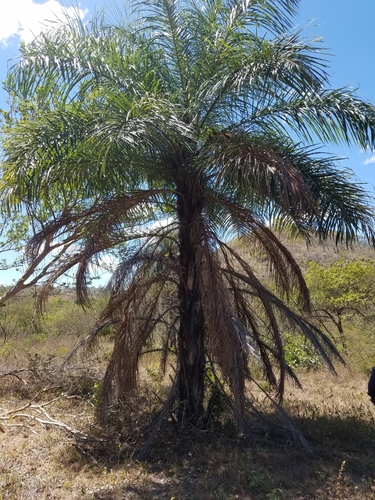
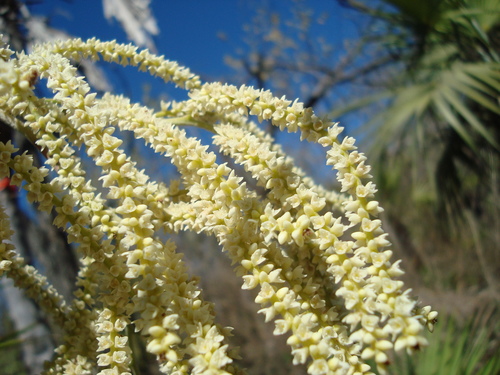
A solitary palm in the Arecaceae family found in tropical regions, though it does not suit humid tropical environments.
Wikipedia
Source ↗Brahea aculeata is a species of flowering plant in the family Arecaceae. This palm tree is endemic to northwestern Mexico, where it is native to Durango, Sinaloa, and Sonora states. It is a vulnerable species, threatened by habitat loss.
References (2)
- Haynes, J., & McLaughlin, J., 2000, Edible palms and Their Uses. University of Florida Fact sheet MCDE-00-50-1 p 4
- Yetman, D., 2002, The Guarijios of the Sierra Madre: Hidden People of Northwestern Mexico. University of New Mexico Press. p 177