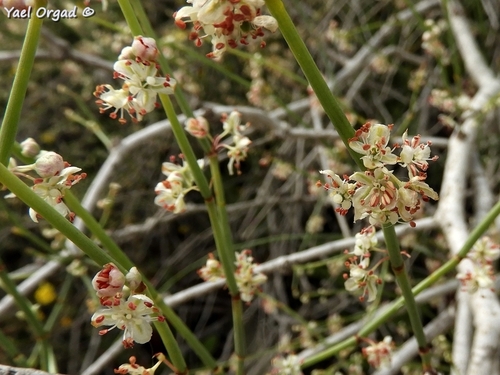
Polygonum bellardii
All.
PolygonaceaeLeaves
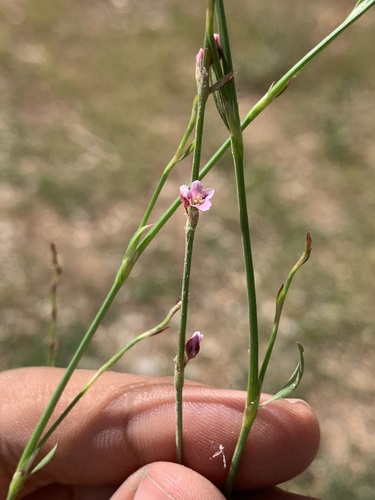
iNaturalist · cc-by-nc
(c) Arya Aras, some rights reserved (CC BY-NC), uploaded by Arya Aras
(c) Arya Aras, some rights reserved (CC BY-NC), uploaded by Arya Aras
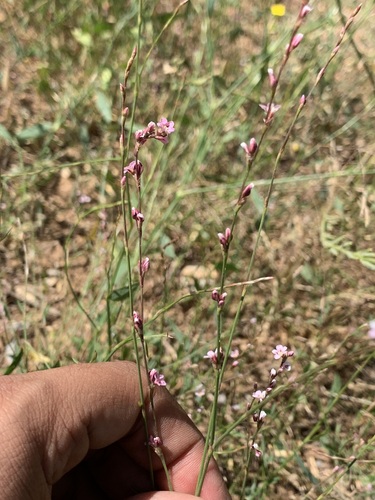
iNaturalist · cc-by-nc
(c) Arya Aras, some rights reserved (CC BY-NC), uploaded by Arya Aras
(c) Arya Aras, some rights reserved (CC BY-NC), uploaded by Arya Aras
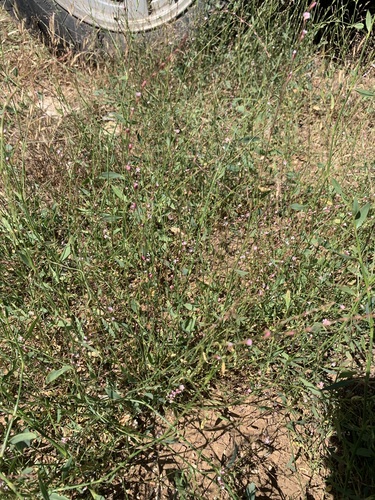
iNaturalist · cc-by-nc
(c) Arya Aras, some rights reserved (CC BY-NC), uploaded by Arya Aras
(c) Arya Aras, some rights reserved (CC BY-NC), uploaded by Arya Aras
What to Eat
Edible parts: Leaves
The leaves are eaten.
Where to Find It
It is a temperate plant.
Asia, Central Asia, Korea, Tajikistan, Turkey, Türkiye,
Countries: United Arab Emirates, Afghanistan, Armenia, Azerbaijan, Bangladesh, Bahrain, Brunei, Bhutan, China, Georgia, Indonesia, Israel, India, Iraq, Iran, Jordan, Japan, Kyrgyzstan, Cambodia, North Korea, South Korea, Kuwait, Kazakhstan, Laos, Lebanon, Sri Lanka, Myanmar, Mongolia, Maldives, Malaysia, Nepal, Oman, Philippines, Pakistan, Qatar, Saudi Arabia, Singapore, Syria, Thailand, Tajikistan, Timor-Leste, Turkmenistan, Turkey, Taiwan, Uzbekistan, Vietnam, Yemen
How to Identify
A temperate herb in the Polygonaceae family.
Wikipedia
Source ↗Polygonum bellardii, the narrowleaf knotweed, is a species of annual herb in the family Polygonaceae. They have a self-supporting growth form and simple, broad leaves. They are native to Southern Europe, West Asia and North Africa. Individuals can grow to 0.49 m.
References (1)
- Ertug, F., 2000, An Ethnobotanical Study in Central Anatolia (Turkey). Economic Botany Vol. 54. No. 2. pp. 155-182