Corchorus depressus
(L.) Stocks
MalvaceaeLeaves

iNaturalist · cc-by-nc-sa
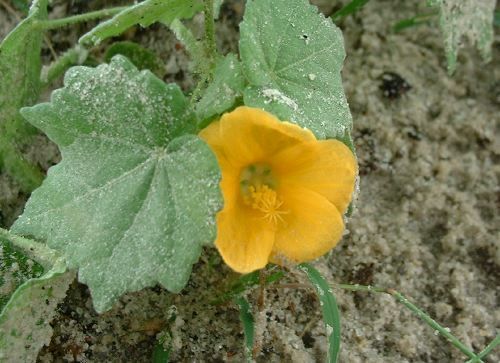
(c) Shivam Bhatt, some rights reserved (CC BY-NC-SA), uploaded by Shivam Bhatt
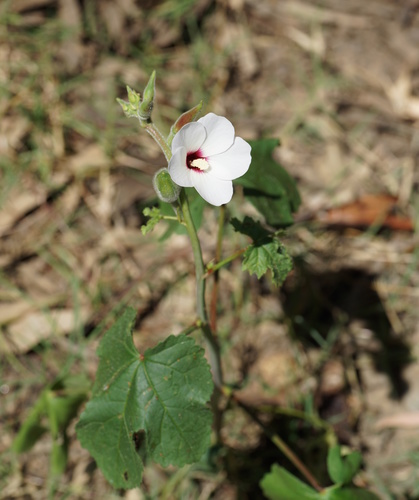
(c) Shivam Bhatt, some rights reserved (CC BY-NC-SA), uploaded by Shivam Bhatt
iNaturalist · cc-by-nc
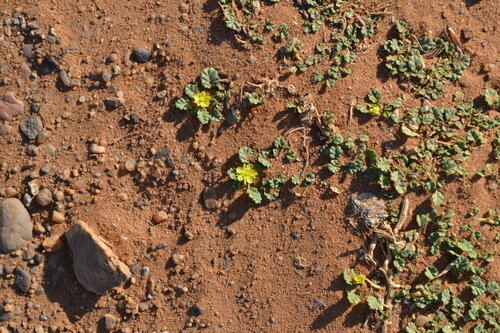
(c) Alla Troshina, some rights reserved (CC BY-NC)
(c) Alla Troshina, some rights reserved (CC BY-NC)
iNaturalist · cc-by-nc
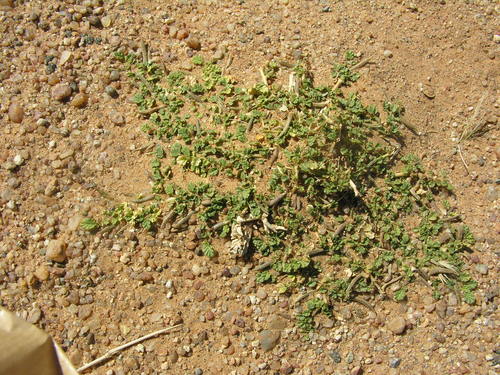
(c) Sébastien SANT, some rights reserved (CC BY-NC)
(c) Sébastien SANT, some rights reserved (CC BY-NC)
What to Eat
Edible parts: Leaves
The whole plant is used as a potherb and to make a herbal drink.
Where to Find It
It is a tropical plant. In Pakistan it grows in semi-arid and arid regions from sea level to 1,000 m altitude.
Africa, Asia, Cape Verde, East Africa, Eritrea, Ethiopia, India, Pakistan,
Countries: United Arab Emirates, Afghanistan, Armenia, Angola, Azerbaijan, Bangladesh, Burkina Faso, Bahrain, Burundi, Benin, Brunei, Bhutan, Botswana, Congo (DRC), Central African Republic, Congo (Republic), Cote d'Ivoire, Cameroon, China, Cape Verde, Djibouti, Algeria, Egypt, Eritrea, Ethiopia, Gabon, Georgia, Ghana, Gambia, Guinea, Equatorial Guinea, Guinea-Bissau, Indonesia, Israel, India, Iraq, Iran, Jordan, Japan, Kenya, Kyrgyzstan, Cambodia, Comoros, North Korea, South Korea, Kuwait, Kazakhstan, Laos, Lebanon, Sri Lanka, Liberia, Lesotho, Libya, Morocco, Madagascar, Mali, Myanmar, Mongolia, Mauritania, Mauritius, Maldives, Malawi, Malaysia, Mozambique, Namibia, Niger, Nigeria, Nepal, Oman, Philippines, Pakistan, Qatar, Rwanda, Saudi Arabia, Seychelles, Sudan, Singapore, Sierra Leone, Senegal, Somalia, South Sudan, Sao Tome & Principe, Syria, Eswatini, Chad, Togo, Thailand, Tajikistan, Timor-Leste, Turkmenistan, Tunisia, Turkey, Taiwan, Tanzania, Uganda, Uzbekistan, Vietnam, Yemen, South Africa, Zambia, Zimbabwe
How to Identify
A herb. It lies along the ground and forms a mat. It is woody and keeps growing from year to year. The young branches have a few hairs. The leaves have 3 ribs. They are broadly oval and 4-18 mm long by 2-9 mm wide. The flowers are yellow. They are 6-8 mm across. The fruit is a long capsule. It is 7-22 mm long and has a beak.
Notes
These have also been in the Tiliaceae.
References (4)
- Asfaw, Z. and Tadesse, M., 2001, Prospects for Sustainable Use and Development of Wild Food Plants in Ethiopia. Economic Botany, Vol. 55, No. 1, pp. 47-62
- Edwards. S., et al, (Eds), 1995, Flora of Ethiopia and Eritrea. Vol.2, Part 2 Canellaceae to Euphorbiaceae. Uppsala, Sweden. p 156
- Flora of Pakistan. www.eFloras.org
- Hedrick, U.P., 1919, (Ed.), Sturtevant's edible plants of the world. p 215 (As Corchorus antichorus)