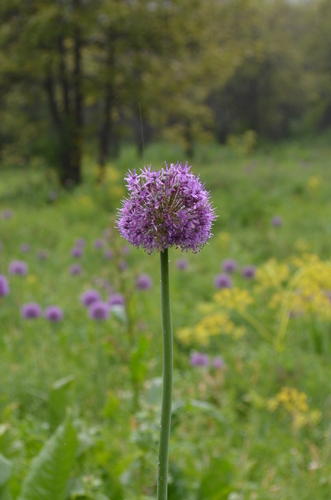
Allium aschersonianum
Barbey
Israel wild onion
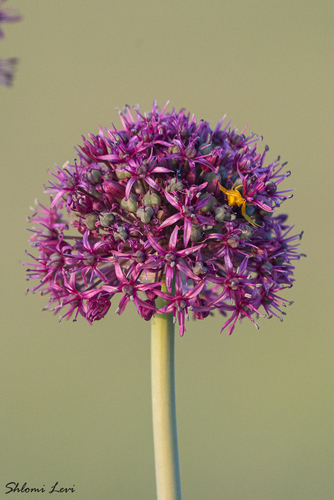
(c) Shlomi Levi, some rights reserved (CC BY-NC), uploaded by Shlomi Levi
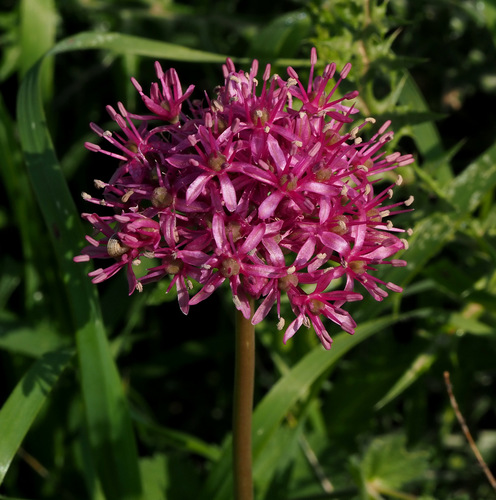
(c) Ron Frumkin, some rights reserved (CC BY-NC), uploaded by Ron Frumkin
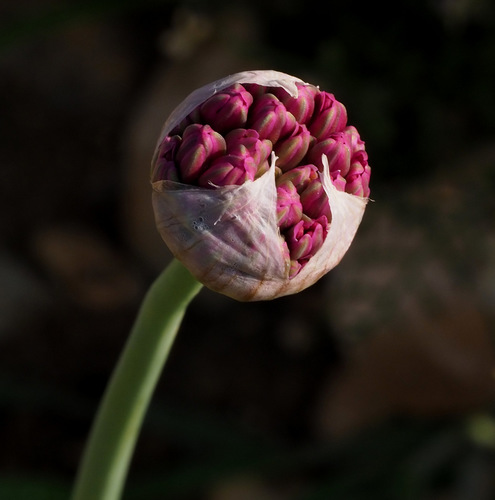
(c) Ron Frumkin, some rights reserved (CC BY-NC), uploaded by Ron Frumkin
What to Eat
Edible parts: Bulb, Stems
Both the bulbs and stems can be eaten raw.
Where to Find It
It can grow in arid places.
Africa, Egypt, Israel, Jordan, Lebanon, Libya, Mediterranean, Middle East, North Africa, Sinai, Syria,
How to Identify
A bulbous herb in the Amaryllidaceae family that grows in arid places. It has distinct bulbs and stems.
Wikipedia
Source ↗Allium aschersonianum, Ascherson's garlic, is a species of flowering plant in the family Amaryllidaceae, native to southern Turkey, Israel, and northeastern Libya. A perennial typically reaching 60 cm (24 in), the Royal Horticultural Society considers it a good plant to attract pollinators, and it is occasionally available from commercial suppliers. It is cultivated for the cut flower industry in Israel.
Notes
They have also been put in the family Alliaceae.
Names & Synonyms
Ga'abal
References (3)
- Bailey, C. and Danin, A., 1981, Bedouin Plant Utilization in Sinai and the Negev. Economic Botany 35(2): 145-162
- Royal Botanic Gardens, Kew (1999). Survey of Economic Plants for Arid and Semi-Arid Lands (SEPASAL) database. Published on the Internet; http://www.rbgkew.org.uk/ceb/sepasal/internet [Accessed 24th March 2011]
- World Checklist of Useful Plant Species 2020. Royal Botanic Gardens, Kew