Cavendishia dulcis
Luteyn

gbif · cc-by-nc-sa
MBG
MBG

gbif · cc-by-nc-sa
MBG
MBG

gbif · cc-by-nc-sa
MBG
MBG
What to Eat
Edible parts: Fruit
The fruit is edible and sweet-tasting, serving as an important local crop.
Known Hazards
Where to Find It
It is a tropical plant. It grows in misty cloud forest at 1,890 m above sea level.
Colombia, South America,
How to Identify
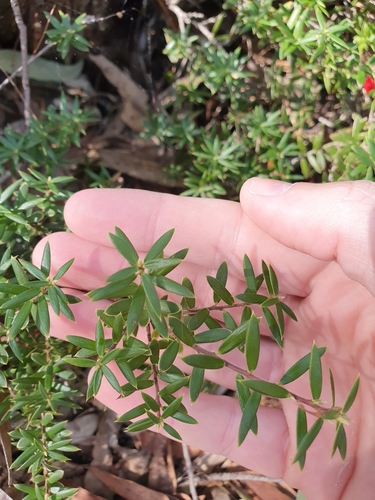
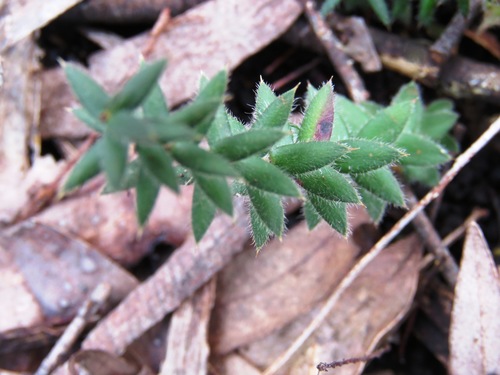
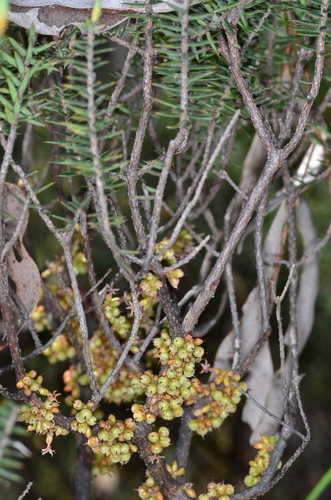
A shrub. It has one stem that arches over and is 4 m tall. The leaves are narrowly oval and 11-20 cm long by 7-16 cm wide. The base is heart shaped and clasps the stem. There are many flowers in a group. The fruit are 13 mm across.
Other Information
It is an attractive fruit. They are sweet tasting. It is an important crop in local places.
Notes
It is rare and an at risk species.
References (1)
- Kermath, B. M., et al, 2014, Food Plants in the Americas: A survey of the domesticated, cultivated and wild plants used for Human food in North, Central and South America and the Caribbean. On line draft. p 200