Cavendishia divaricata
A. C. Smith

gbif · cc-by-nc
Field Museum of Natural History - Botany Department | GDI 2013-2015
Field Museum of Natural History - Botany Department | GDI 2013-2015

gbif · cc-by-nc
Field Museum of Natural History - Botany Department | GDI 2013-2015
Field Museum of Natural History - Botany Department | GDI 2013-2015

gbif · cc-by-nc
Field Museum of Natural History - Botany Department | GDI 2013-2015
Field Museum of Natural History - Botany Department | GDI 2013-2015
What to Eat
Edible parts: Fruit
The fruit are eaten.
Known Hazards
Where to Find It
It is a tropical plant.
Colombia, South America,
How to Identify
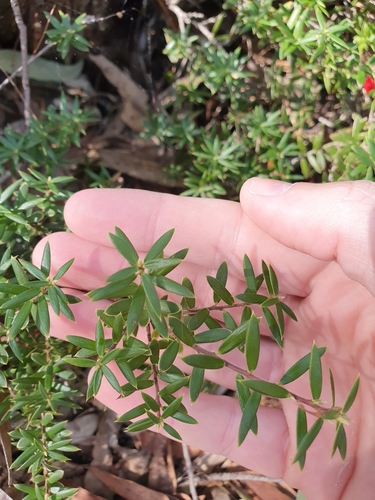
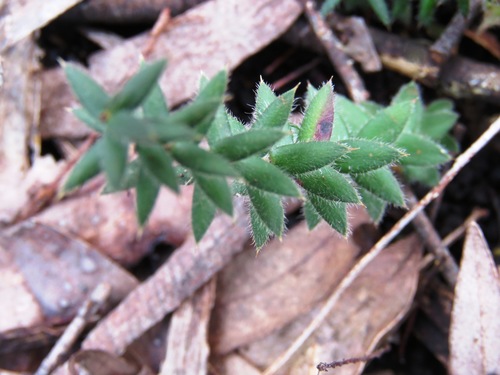
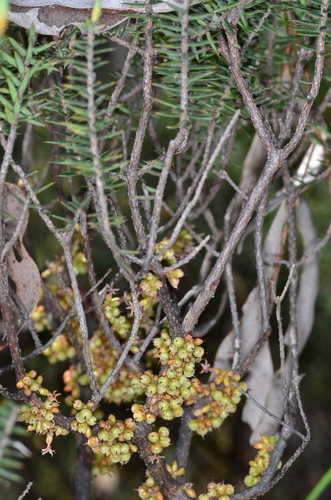
A shrub. It can grow in soil or attached to other plants. It grows 5 m tall. The stems are angled or have 5 wings.
Other Information
The fruit are attractive with commercial potential.
References (2)
- Kermath, B. M., et al, 2014, Food Plants in the Americas: A survey of the domesticated, cultivated and wild plants used for Human food in North, Central and South America and the Caribbean. On line draft. p 200
- Luteyn, J. L., 1983, Ericaceae: Part I. Cavendishia: Flora Neotropica, Vol. 35, Ericaceae: Part I. Cavendishia. pp. 1-289