Pseudophoenix sargentii
Wendl.
Buccaneer palm, Sargent's cherry palm
ArecaceaeShoots
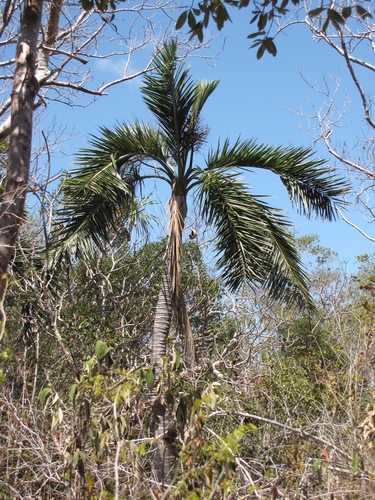
iNaturalist · cc-by-nc
(c) Jan Meerman, some rights reserved (CC BY-NC), uploaded by Jan Meerman
(c) Jan Meerman, some rights reserved (CC BY-NC), uploaded by Jan Meerman
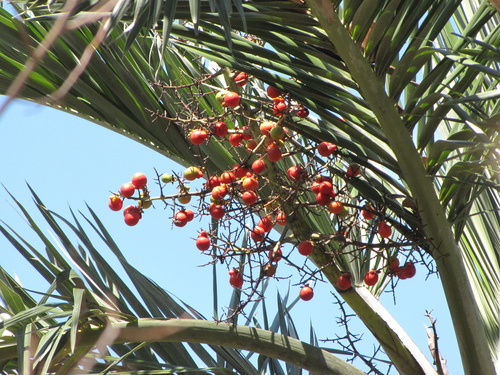
iNaturalist · cc-by-nc
(c) Jan Meerman, some rights reserved (CC BY-NC), uploaded by Jan Meerman
(c) Jan Meerman, some rights reserved (CC BY-NC), uploaded by Jan Meerman
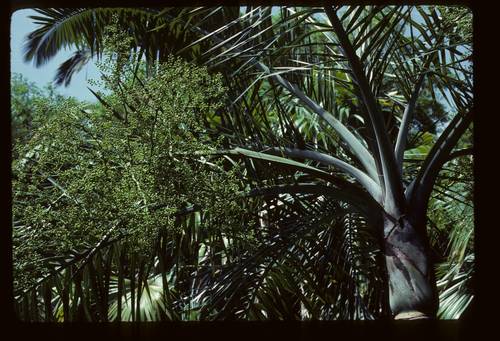
iNaturalist · cc-by-nc-sa
(c) Smithsonian Institution, National Museum of Natural History, Department of Botany, some rights reserved (CC BY-NC-SA)
(c) Smithsonian Institution, National Museum of Natural History, Department of Botany, some rights reserved (CC BY-NC-SA)
What to Eat
Edible parts: Growing tip, Cabbage, Palm heart
Where to Find It
It is a tropical plant. It usually grows near the sea and on limestone soils.
Bahamas, Belize, Central America, Cuba*, Dominican Republic, Haiti*, Mexico*, North America, Puerto Rico, Turks & Caicos, USA, West Indies*,
Countries: Antigua & Barbuda, Barbados, Bahamas, Belize, Canada, Costa Rica, Cuba, Dominica, Dominican Republic, Grenada, Guatemala, Honduras, Haiti, Jamaica, St Kitts & Nevis, St Lucia, Mexico, Nicaragua, Panama, Puerto Rico, El Salvador, Turks & Caicos, Trinidad & Tobago, United States, St Vincent
How to Identify
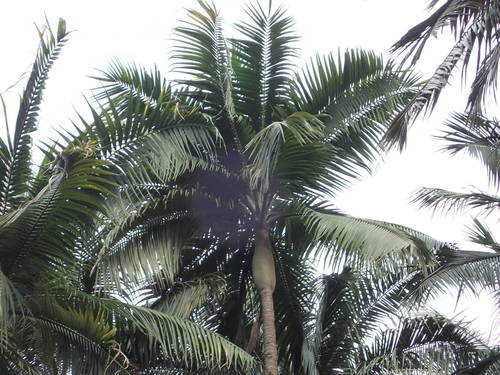
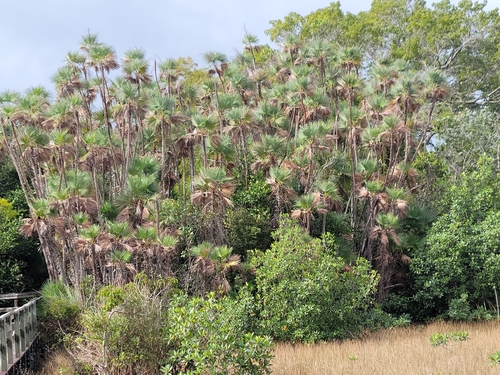
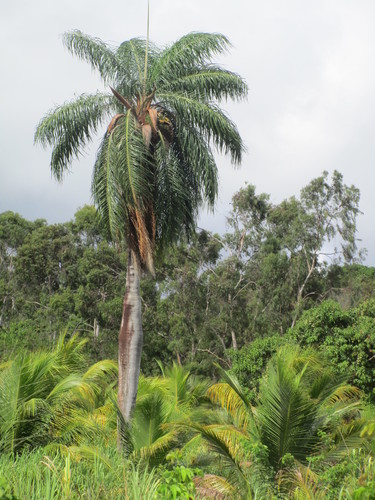
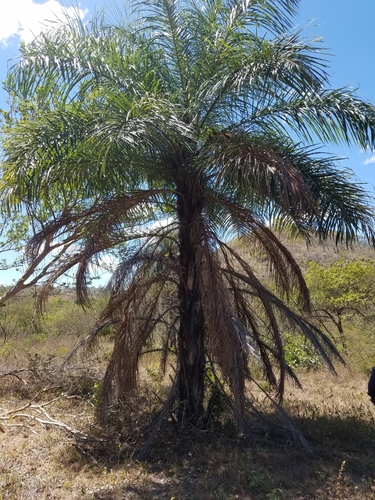
A medium sized palm. It grows 4-8 m tall. The trunk can be 30 cm across.
Wikipedia
Source ↗Pseudophoenix sargentii, commonly known as the Florida cherry palm or buccaneer palm, is a medium-sized palm native to the northern Caribbean, eastern Mexico, and extreme southeast Florida in the United States.
Names & Synonyms
Cacheo, Kuka, Palma de guinea
Cyclospathe northropi O. F. CookPseudophoenix gracilis Ekman ex BurretPseudophoenix linearis M. T. CookPseudophoenix navassana EkmanPseudophoenix saonae O. F. Cook
References (3)
- Casas, A., et al, 1996, Plant Management Among the Nahua and the Mixtec in the Balsas River Basin, Mexico: An Ethnobotanical Approach to the Study of Plant Domestication. Human Ecology, Vol. 24, No. 4 pp. 455-478
- NYBG herbarium "edible" (As Pseudophoenix linearis)
- Plants of Haiti Smithsonian Institute http://botany.si.edu