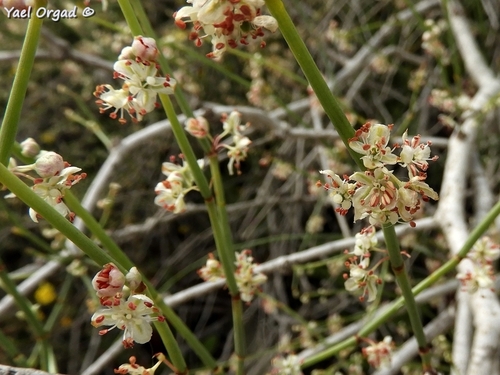
Rumex thyrsoides
Desf.
PolygonaceaeLeaves

iNaturalist · cc-by-nc
(c) crpalma, some rights reserved (CC BY-NC)
(c) crpalma, some rights reserved (CC BY-NC)

iNaturalist · cc-by-nc
(c) crpalma, some rights reserved (CC BY-NC)
(c) crpalma, some rights reserved (CC BY-NC)

iNaturalist · cc-by-nc
(c) Franz Pühringer, some rights reserved (CC BY-NC)
(c) Franz Pühringer, some rights reserved (CC BY-NC)
What to Eat
Edible parts: Leaves
The tender leaves are boiled and seasoned with oil and lemon.
Where to Find It
It is a Mediterranean climate plant.
Africa, Europe, Italy, Mediterranean, North Africa, Sicily,
Countries: Andorra, Albania, Angola, Austria, Bosnia & Herzegovina, Belgium, Burkina Faso, Bulgaria, Burundi, Benin, Botswana, Belarus, Congo (DRC), Central African Republic, Congo (Republic), Switzerland, Cote d'Ivoire, Cameroon, Cape Verde, Cyprus, Czechia, Germany, Djibouti, Denmark, Algeria, Estonia, Egypt, Eritrea, Spain, Ethiopia, Finland, France, Gabon, United Kingdom, Ghana, Gambia, Guinea, Equatorial Guinea, Greece, Guinea-Bissau, Croatia, Hungary, Ireland, Israel, Iceland, Italy, Kenya, Comoros, Lebanon, Liechtenstein, Liberia, Lesotho, Lithuania, Luxembourg, Latvia, Libya, Morocco, Monaco, Moldova, Montenegro, Madagascar, North Macedonia, Mali, Mauritania, Malta, Mauritius, Malawi, Mozambique, Namibia, Niger, Nigeria, Netherlands, Norway, Poland, Portugal, Romania, Serbia, Russia, Rwanda, Seychelles, Sudan, Sweden, Slovenia, Slovakia, Sierra Leone, San Marino, Senegal, Somalia, South Sudan, Sao Tome & Principe, Syria, Eswatini, Chad, Togo, Tunisia, Turkey, Tanzania, Ukraine, Uganda, South Africa, Zambia, Zimbabwe
How to Identify
A herbaceous plant in the dock family (Polygonaceae) found in Mediterranean climates. It is valued for its tender edible leaves.
Names & Synonyms
Acitura, Lapazzu, Miliacra
References (6)
- Biscotti, N. et al, 2018, The traditional food use of wild vegetables in Apulia (Italy) in the light of Italian ethnobotanical literature. Italian Botanist 5:1-24
- Geraci, A., et al, 2018, The wild taxa utilized as vegetables in Sicily (Italy): a traditional component of the Mediterranean diet. Journal of Ethnobiology and Ethnomedicine (2018) 14:14
- Lentini, F. and Venza, F., 2007, Wild food plants of popular use in Sicily. J Ethnobiol Ethnomedicine. 3: 15
- Pasta, S., et al, 2020, An Updated Checklist of the Sicilian Native Edible Plants: Preserving the Traditional Ecological Knowledge of Century-Old Agro-Pastoral Landscapes. Frontiers in Plant Science. Volume 11|Article 388
- Rivera, D. et al, 2006, Gathered Mediterranean Food Plants - Ethnobotanical Investigations and Historical Development, in Heinrich M, Müller WE, Galli C (eds): Local Mediterranean Food Plants and Nutraceuticals. Forum Nutr. Basel, Karger, 2006, vol 59, pp 18–74
- Signorini, M. A., et al, 2009, Plants and traditional knowledge: An ethnobotanical investigation on Monte Ortobene (Nuoro, Sardinia). Journal or Ethnobiology and Ethnomedicine, 5:6