Eremalche exilis
(Gray) Green
White mallow
MalvaceaeLeaves

iNaturalist · cc-by
(c) W. Terry Hunefeld, some rights reserved (CC BY), uploaded by W. Terry Hunefeld
(c) W. Terry Hunefeld, some rights reserved (CC BY), uploaded by W. Terry Hunefeld

iNaturalist · cc-by-nc
(c) nathantay, some rights reserved (CC BY-NC)
(c) nathantay, some rights reserved (CC BY-NC)
iNaturalist · cc-by-nc
(c) Rachel Woodard, some rights reserved (CC BY-NC), uploaded by Rachel Woodard
(c) Rachel Woodard, some rights reserved (CC BY-NC), uploaded by Rachel Woodard
What to Eat
Edible parts: Leaves
The leaves are boiled and eaten.
Where to Find It
It is a temperate plant.
North America, USA,
Countries: Antigua & Barbuda, Barbados, Bahamas, Belize, Canada, Costa Rica, Cuba, Dominica, Dominican Republic, Grenada, Guatemala, Honduras, Haiti, Jamaica, St Kitts & Nevis, St Lucia, Mexico, Nicaragua, Panama, Puerto Rico, El Salvador, Trinidad & Tobago, United States, St Vincent
How to Identify
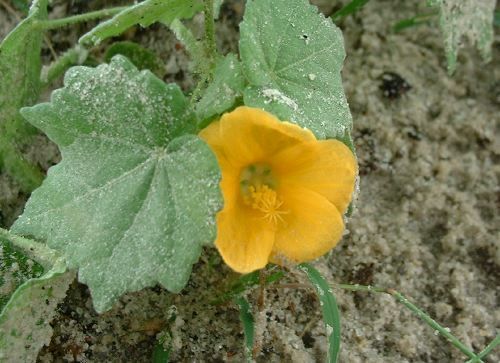
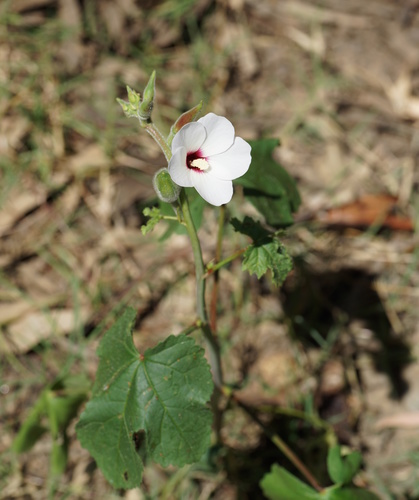
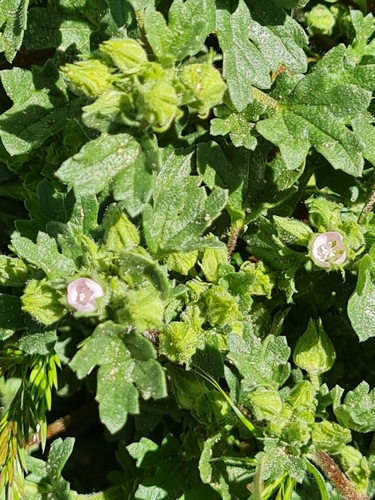
A herb that tends to lie along the ground. The stems can have long hairs. The leaves have 3-5 lobes. They are 1-2.5 cm wide.
Wikipedia
Source ↗Eremalche exilis is a species of flowering plant in the mallow family known as white mallow or desert mallow. It is native to Baja California, Mexico and the southwestern United States where it grows in desert and other dry scrub habitats.
Other Information
It is a famine food.
Names & Synonyms
Malvastrum exile A. GrayMalveopsis exilis (A. Gray) KuntzeSphaeralcea exilis (A. Gray) Jeps.
References (2)
- Moerman, D. F., 2010, Native American Ethnobotany. Timber Press. p 217
- World Checklist of Useful Plant Species 2020. Royal Botanic Gardens, Kew