Quercus palmeri
Engelm.
Palmer oak
FagaceaeSeeds/Nuts

iNaturalist · cc-by-nc
(c) kevinhintsa, some rights reserved (CC BY-NC), uploaded by kevinhintsa
(c) kevinhintsa, some rights reserved (CC BY-NC), uploaded by kevinhintsa
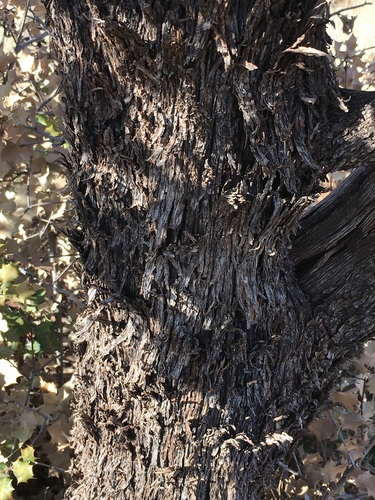
iNaturalist · cc-by-nc
(c) Damon Tighe, some rights reserved (CC BY-NC), uploaded by Damon Tighe
(c) Damon Tighe, some rights reserved (CC BY-NC), uploaded by Damon Tighe
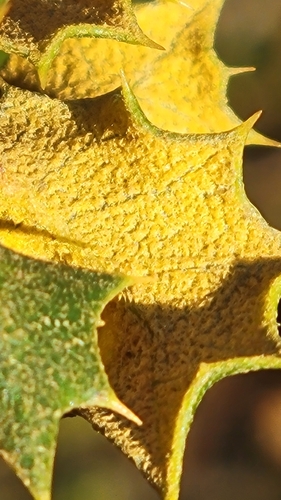
iNaturalist · cc-by-nc
(c) yerbasanta, some rights reserved (CC BY-NC), uploaded by yerbasanta
(c) yerbasanta, some rights reserved (CC BY-NC), uploaded by yerbasanta
What to Eat
Edible parts: Seeds, Acorns, Nut
The acorns are boiled into a mush and can be stored for future use.
Where to Find It
It is a temperate plant.
North America, USA,
Countries: Antigua & Barbuda, Barbados, Bahamas, Belize, Canada, Costa Rica, Cuba, Dominica, Dominican Republic, Grenada, Guatemala, Honduras, Haiti, Jamaica, St Kitts & Nevis, St Lucia, Mexico, Nicaragua, Panama, Puerto Rico, El Salvador, Trinidad & Tobago, United States, St Vincent
How to Identify
A temperate oak tree with acorns as its primary edible part.
Wikipedia
Source ↗Quercus palmeri is a species of oak known by the common name Palmer oak, or Palmer's oak. It is native to California (as far north as populations just south and east of the San Francisco Bay), Baja California, Southern Nevada, and in Arizona through the transition zone to the eastern Mogollon Rim, where it grows in canyons, mountain slopes, washes, and other dry habitats.
Names & Synonyms
Quercus chrysolepis var. palmeri (Engelm.) Engelm.Quercus dunnii Kellogg ex Curran
References (1)
- Moerman, D. F., 2010, Native American Ethnobotany. Timber Press. p 460 (As Quercus dunnii)
More from Fagaceae

Castanea alnifolia
Bush chinkapin, Florida chinkapin, Trailing chinkapin, Downy chinquapin

Castanea crenata
Japanese chestnut

Castanea dentata
American chestnut, American sweet chestnut

Castanea henryi
Zhui li, Conic chestnut
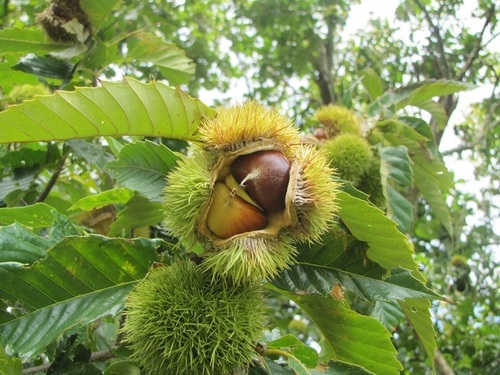
Castanea mollissima
Chinese chestnut

Castanea ozarkensis
Ozark chinkapin, Ozark chestnut