Quercus peninsularis
Trel.
FagaceaeSeeds/Nuts

iNaturalist · cc-by-nc
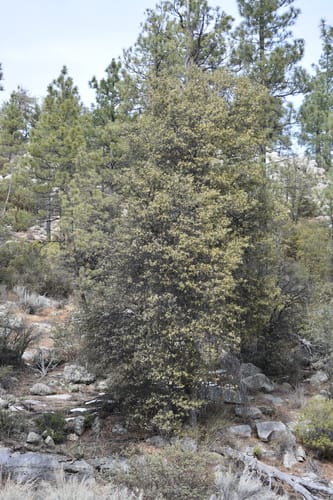
(c) Christian Schwarz, some rights reserved (CC BY-NC), uploaded by Christian Schwarz
(c) Christian Schwarz, some rights reserved (CC BY-NC), uploaded by Christian Schwarz
iNaturalist · cc-by-nc-sa
(c) Cristian A. D. Meling L., some rights reserved (CC BY-NC-SA)
(c) Cristian A. D. Meling L., some rights reserved (CC BY-NC-SA)

iNaturalist · cc-by-nc-sa
(c) Cristian A. D. Meling L., some rights reserved (CC BY-NC-SA)
(c) Cristian A. D. Meling L., some rights reserved (CC BY-NC-SA)
What to Eat
Edible parts: Nut
The acorns are pounded, sun dried, ground, and leached before consumption.
Where to Find It
It is a temperate plant.
North America, USA,
Countries: Antigua & Barbuda, Barbados, Bahamas, Belize, Canada, Costa Rica, Cuba, Dominica, Dominican Republic, Grenada, Guatemala, Honduras, Haiti, Jamaica, St Kitts & Nevis, St Lucia, Mexico, Nicaragua, Panama, Puerto Rico, El Salvador, Trinidad & Tobago, United States, St Vincent
How to Identify
A temperate oak tree of the Fagaceae family.
Wikipedia
Source ↗Quercus peninsularis, common name peninsular oak, is a species of oak endemic to Baja California, Mexico. It is a shrub or small tree to 10 m, occurring in mountain valleys and canyons up to 3000 m. It is placed in section Lobatae. Leaves are 5–8 cm, flat, leathery and hairy, with pointed tips and 2–5 pairs of teeth. Flowers occur in 3 cm catkins. Fruits are 1.5 cm acorns, stemless, ovoid, with hairy cupules, maturing in a year. Mature bark is reddish; young twigs are thin and hairy.
References (1)
- Moerman, D. F., 2010, Native American Ethnobotany. Timber Press. p 464
More from Fagaceae

Castanea alnifolia
Bush chinkapin, Florida chinkapin, Trailing chinkapin, Downy chinquapin

Castanea crenata
Japanese chestnut

Castanea dentata
American chestnut, American sweet chestnut

Castanea henryi
Zhui li, Conic chestnut
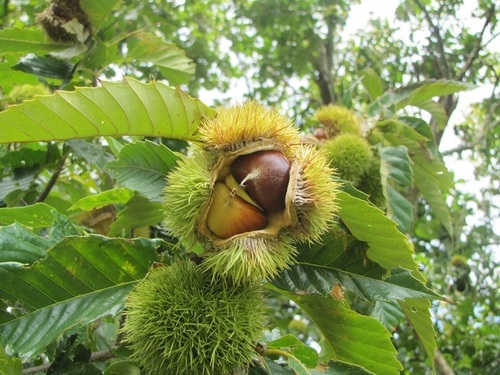
Castanea mollissima
Chinese chestnut

Castanea ozarkensis
Ozark chinkapin, Ozark chestnut