Toxicoscordion paniculatum
(Nutt.) S. Watson
Foothill deathcamas
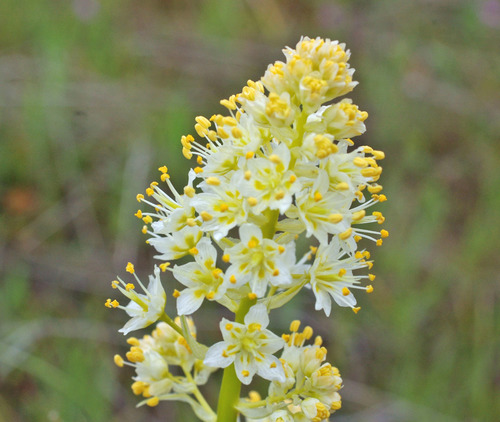
iNaturalist · cc-by-nc
(c) Robert Wilson, some rights reserved (CC BY-NC), uploaded by Robert Wilson
(c) Robert Wilson, some rights reserved (CC BY-NC), uploaded by Robert Wilson
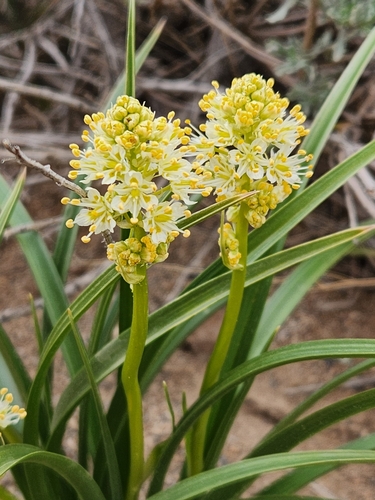
iNaturalist · cc-by-nc-sa
(c) Zach Hawn, some rights reserved (CC BY-NC-SA), uploaded by Zach Hawn
(c) Zach Hawn, some rights reserved (CC BY-NC-SA), uploaded by Zach Hawn

iNaturalist · cc-by
(c) Steve Matson, some rights reserved (CC BY), uploaded by Steve Matson
(c) Steve Matson, some rights reserved (CC BY), uploaded by Steve Matson
What to Eat
Edible parts: Bulbs
The bulbs are cooked together with meat and corn and eaten.
Known Hazards
Where to Find It
It is a temperate plant.
North America, USA,
Countries: Antigua & Barbuda, Barbados, Bahamas, Belize, Canada, Costa Rica, Cuba, Dominica, Dominican Republic, Grenada, Guatemala, Honduras, Haiti, Jamaica, St Kitts & Nevis, St Lucia, Mexico, Nicaragua, Panama, Puerto Rico, El Salvador, Trinidad & Tobago, United States, St Vincent
How to Identify
Foothill deathcamas is a bulb plant in the Melanthiaceae family (also classified in Liliaceae) found in temperate regions.
Wikipedia
Source ↗Toxicoscordion paniculatum is a species of flowering plant known by the common names foothill deathcamas, panicled death-camas, and sand-corn. It is widely distributed across much of the western United States, especially in the mountains and deserts of the Great Basin region west of the Rocky Mountains. It grows in many types of habitats, including sagebrush plateau, grasslands, forests, and woodlands.
Notes
Also put in the family Liliaceae.
Names & Synonyms
Gomphostylis paniculata (Nutt.) Raf.Helonias paniculata Nutt.Zigadenus paniculatus (Nutt.) S. Watson
References (1)
- Moerman, D. F., 2010, Native American Ethnobotany. Timber Press. p 613
More from Melanthiaceae

Chionographis japonica

Paris polyphylla
Herb Paris

Paris polyphylla var. yunnanensis
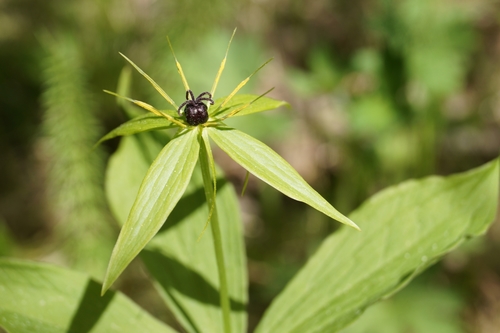
Paris verticillata
Sakkannamul

Trillium erectum
Beth root, Stinking Benjamin, Purple trillium, Birthroot, Red trillium

Trillium grandiflorum
White trilium, Wake robin, White wake robin, Grand trillium, Showy trillium, Large-flowered trillium