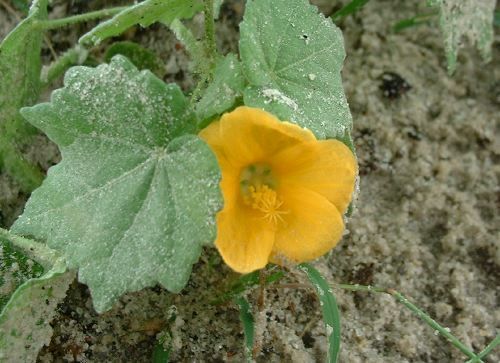
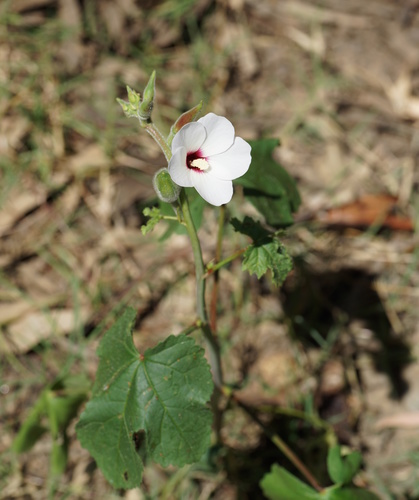
Grewia microcarpa
K. Schum.
Green square-stem grewia
MalvaceaeFruit

iNaturalist · cc-by-nc
(c) Bart Wursten, some rights reserved (CC BY-NC), uploaded by Bart Wursten
(c) Bart Wursten, some rights reserved (CC BY-NC), uploaded by Bart Wursten

iNaturalist · cc-by-nc
(c) Bart Wursten, some rights reserved (CC BY-NC), uploaded by Bart Wursten
(c) Bart Wursten, some rights reserved (CC BY-NC), uploaded by Bart Wursten

iNaturalist · cc-by-nc
(c) Graeme White, some rights reserved (CC BY-NC), uploaded by Graeme White
(c) Graeme White, some rights reserved (CC BY-NC), uploaded by Graeme White
What to Eat
Edible parts: Fruit
The fruit is eaten.
Where to Find It
It is a tropical plant. It grows in the lowlands and highlands. It grows in dry scrub.
Africa, East Africa, Kenya, Mozambique, Southern Africa, Tanzania, Zimbabwe,
Countries: Angola, Burkina Faso, Burundi, Benin, Botswana, Congo (DRC), Central African Republic, Congo (Republic), Cote d'Ivoire, Cameroon, Cape Verde, Djibouti, Algeria, Egypt, Eritrea, Ethiopia, Gabon, Ghana, Gambia, Guinea, Equatorial Guinea, Guinea-Bissau, Kenya, Comoros, Liberia, Lesotho, Libya, Morocco, Madagascar, Mali, Mauritania, Mauritius, Malawi, Mozambique, Namibia, Niger, Nigeria, Rwanda, Seychelles, Sudan, Sierra Leone, Senegal, Somalia, South Sudan, Sao Tome & Principe, Eswatini, Chad, Togo, Tunisia, Tanzania, Uganda, South Africa, Zambia, Zimbabwe
How to Identify
A bushy shrub. It grows 2 m tall. The twigs have hairs that fall off leaving a red coloured twig. The leaves are narrowly oval and up to 5 cm long by 2 cm wide. There are close teeth along the edge. There are yellow hairs underneath. The flowers are small and yellow. They occur in groups of 2-6. The fruit is round or two lobed.
Notes
These were in the families Sparrmanniaceae and the Tiliaceae.
Names & Synonyms
Mkone, Mkongedeka, Msokote, Nkoma
Grewia aneimenoclada K. Schum.Grewia polyantha K. Schum.Grewia swynnertonii J. R. Drumm. ex Baker f.Grewia utilis Exell
References (2)
- Dale, I. R. and Greenway, P. J., 1961, Kenya Trees and Shrubs. Nairobi. p 566
- http://www.fao.org/forestry/25323-096344a3de335832e8f363c3ac5184a66.pdf