Cola clavata
Mast.

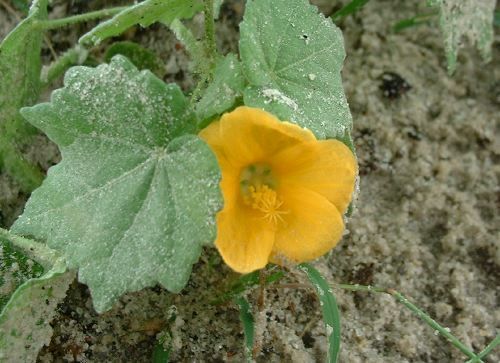
(c) malombeitambo, some rights reserved (CC BY-NC)

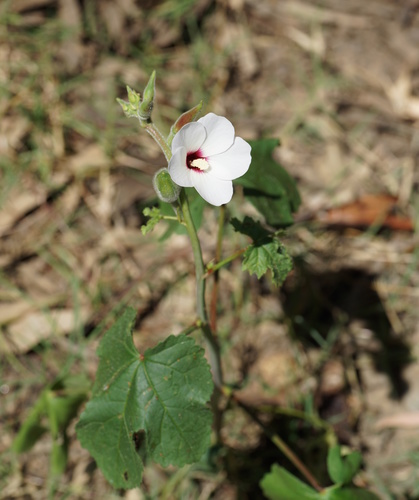
(c) Ngumbau Veronicah, some rights reserved (CC BY-NC)
What to Eat
Edible parts: Fruit - stimulant
The fruit is eaten as a stimulant.
Where to Find It
It is a tropical plant.
Africa, East Africa, Mozambique, Tanzania,
How to Identify
A large tree. The bark is ash coloured. Young branches can be hairy. The leaves are 12 cm long by 6 cm wide. They are narrowly oval. The flowers are in groups of 1-3 in the axils of leaves on old branches. The fruit are 2 cm long by 1.1 cm wide. There is one seed.
How to Grow
A dioecious species, both male and female forms need to be grown if fruit and seed are required.
Other Uses
The wood is heavy, hard, tough and resistant to termites. It is used for construction, tool handles, bows, animal traps, fencing etc. The wood is used for fuel.
Wikipedia
Source ↗Cola clavata is a species of flowering plant in the family Malvaceae. It is native to Kenya, Malawi, Mozambique, Somalia, and Tanzania. In Mozambique it is found in the coastal forests of Zambezia and Sofala. It is affected by habitat loss from the destruction of its native forests by human-caused fires and conversion to agriculture. Only small patches of undisturbed forest remain.
Notes
Also put in the family Sterculiaceae.
Names & Synonyms
Muungu, Nhanfetuto
References (1)
- http://www.fao.org/forestry/25323-096344a3de335832e8f363c3ac5184a66.pdf