Colpothrinax wrightii
Griseb. & H. Wendl. ex Voss
Cuban bottle palm
ArecaceaeFruit
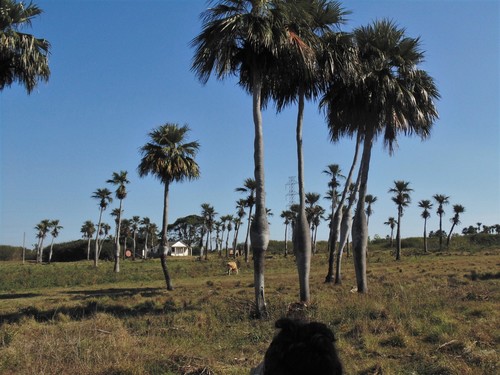
iNaturalist · cc-by-nc
(c) Matt Osborne, some rights reserved (CC BY-NC), uploaded by Matt Osborne
(c) Matt Osborne, some rights reserved (CC BY-NC), uploaded by Matt Osborne
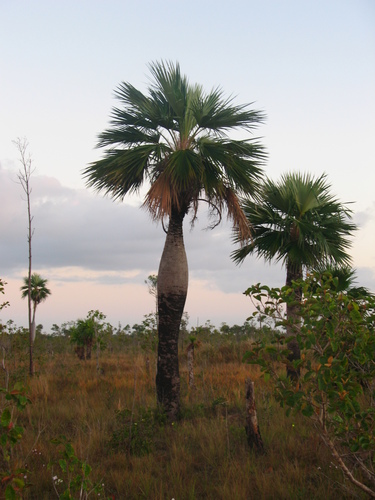
iNaturalist · cc-by-nc
(c) Yoannis Domínguez, some rights reserved (CC BY-NC)
(c) Yoannis Domínguez, some rights reserved (CC BY-NC)
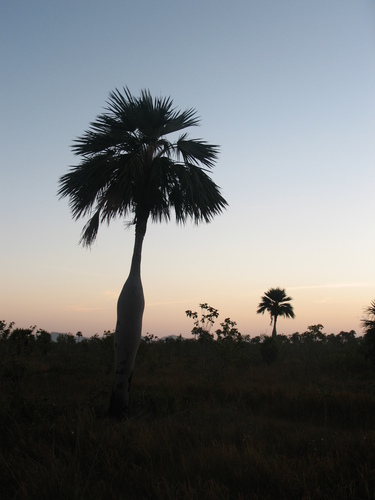
iNaturalist · cc-by-nc
(c) Yoannis Domínguez, some rights reserved (CC BY-NC)
(c) Yoannis Domínguez, some rights reserved (CC BY-NC)
What to Eat
Edible parts: Fruit ?
The fruit may be edible, though it is possibly used primarily as animal food.
Where to Find It
It is a tropical plant. It can grow in poor soils and dry areas.
Belize, Central America, Cuba, West Indies,
Countries: Antigua & Barbuda, Barbados, Bahamas, Belize, Costa Rica, Cuba, Dominica, Dominican Republic, Grenada, Guatemala, Honduras, Haiti, Jamaica, St Kitts & Nevis, St Lucia, Nicaragua, Panama, Puerto Rico, El Salvador, Trinidad & Tobago, St Vincent
How to Identify
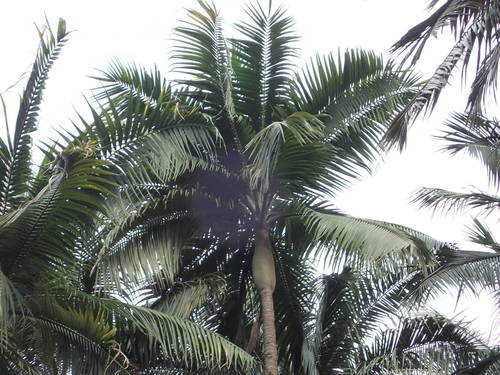
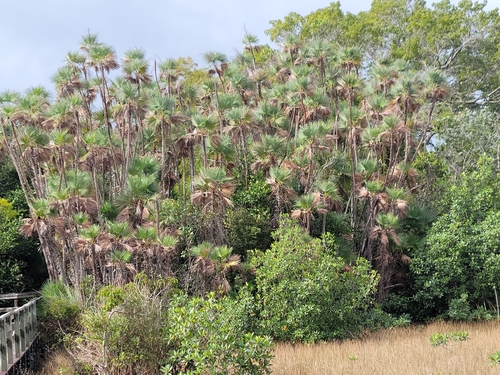
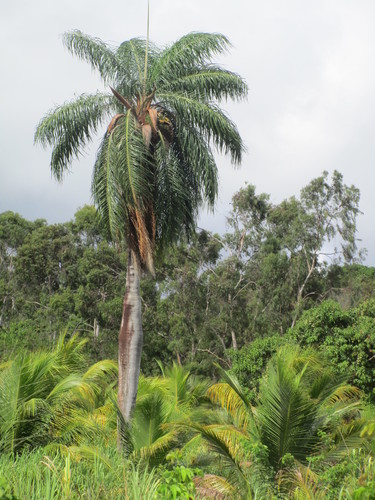
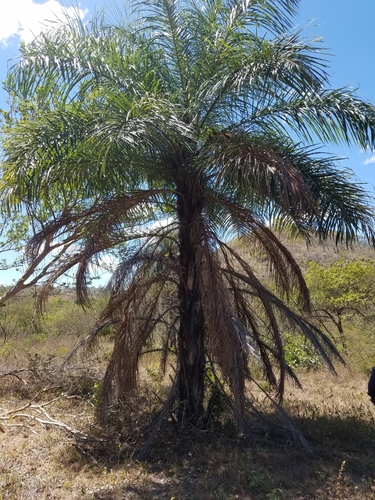
A palm. It can grow 12-15 m tall. The stem is swollen. The stem is 30 cm across and the bulge 90 cm across. The leaves are dark green and have tips that hang down.
How to Grow
It can grow in poor soils and
Wikipedia
Source ↗Colpothrinax wrightii, the palma barrigona, is a species of flowering plant in the family Arecaceae. It is endemic to Cuba.
Notes
Possibly only animal food.
Names & Synonyms
Palma barrigona
Pritchardia wrightii (Griseb. & H. Wendl. ex Voss) Becc,
References (1)
- Reis, S. V. and Lipp, F. L., 1982, New Plant Sources for Drugs and Foods from the New York Botanical Garden herbarium. Harvard. p 18