Microcos hirsuta
(Korth.) Burret
Kerodong tree

Royal Botanic Gardens, Kew

Royal Botanic Gardens, Kew

Royal Botanic Gardens, Kew
What to Eat
Edible parts: Fruit
The acidic fruit are used in juice drinks, and ripe fruit are eaten raw.
Known Hazards
Where to Find It
A tropical plant. It grows in tropical Asia. It grows in forests up to 1,000 m above sea level.
Asia, Indonesia, Malaysia, SE Asia,
How to Identify
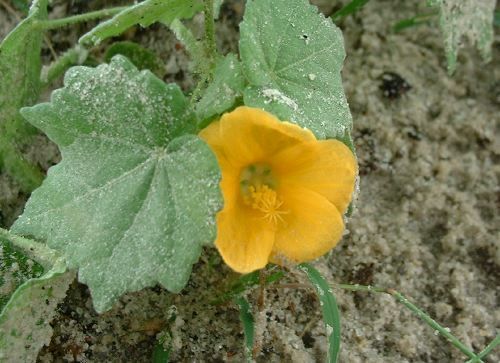
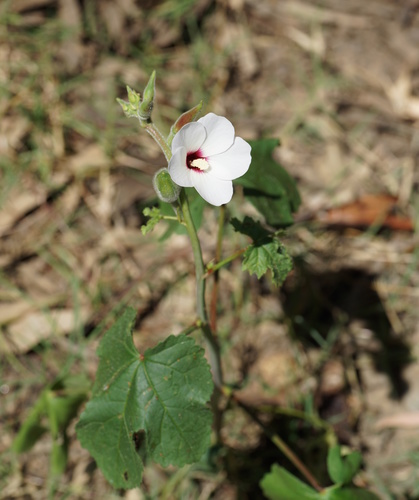
A small tree. It grows about 10-16 m tall. The trunk is 35 cm across. The branches are hairy. The leaves are alternate and simple. There are hairy. The flowers contain both sexes. The flowers are 11 mm across. They are white or yellow and in groups. The fruit are 2 cm long and orange.
How to Grow
Plants can be grown from seeds.
Notes
There are about 200 Grewia species. They are mostly tropical. The fruit of most may be edible. These were in the Sparrmanniaceae and the Tiliaceae.
Names & Synonyms
Buah tusu, Bunsi, Kerodong, Korodong, Pohon buah tusu, Pohon kerodong, Puteh enkuliong, Puting bliong
References (3)
- Chung, R. C. K., & Soepadmo, E, 2011, Taxonomic revision of the genus Microcos (Malvaceae-Grewioideae) in Peninsular Malaysia and Singapore. Blumea 56, 2011: 273–299
- Slik, F., www.asianplant.net
- Sukarya, D. G., (Ed.) 2013, 3,500 Plant Species of the Botanic Gardens of Indonesia. LIPI p 397