Bactris bifida
Mart.
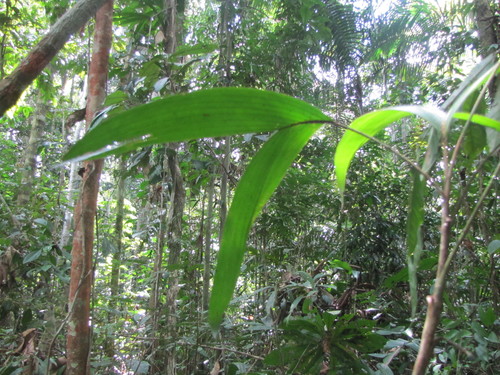
iNaturalist · cc-by-nc
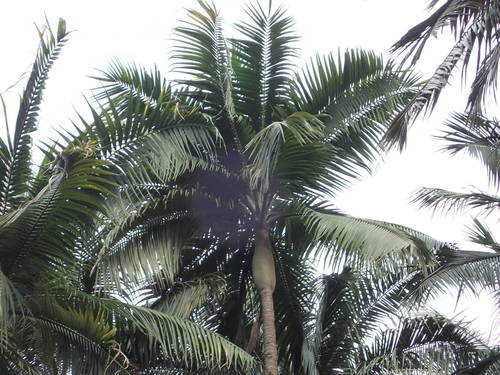
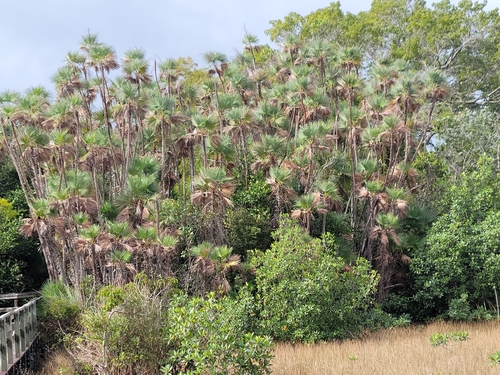
(c) Marcus Athaydes, some rights reserved (CC BY-NC), uploaded by Marcus Athaydes
(c) Marcus Athaydes, some rights reserved (CC BY-NC), uploaded by Marcus Athaydes
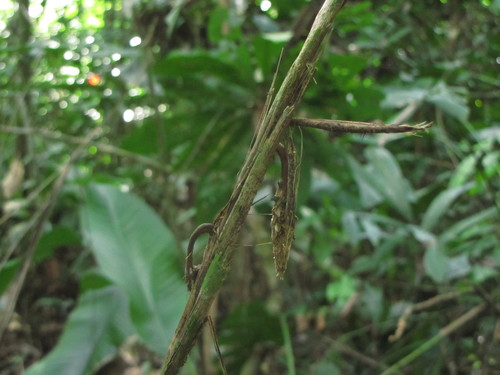
iNaturalist · cc-by-nc
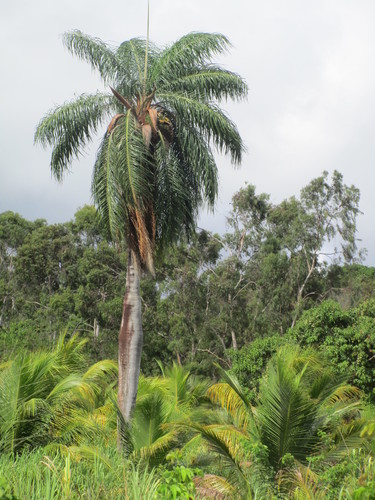
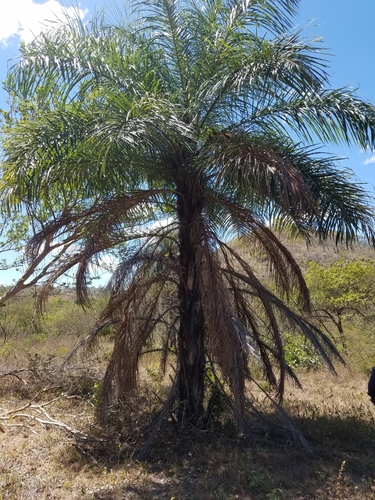
(c) Marcus Athaydes, some rights reserved (CC BY-NC), uploaded by Marcus Athaydes
(c) Marcus Athaydes, some rights reserved (CC BY-NC), uploaded by Marcus Athaydes
What to Eat
Edible parts: Fruit, Fruit - drink
The fruits are eaten fresh or made into drinks, and are especially enjoyed by children.
Where to Find It
It is a tropical plant. It grows in the understorey of the forest. It can grow up to 600 m above sea level.
Amazon, Brazil, Colombia, Peru, South America,
How to Identify
A small palm. It can form dense colonies. It grows 2-4 m high. The fronds are narrow ad have long spines underneath. The fruit are 2-3 cm long by 1-2 cm wide. The fruit are black and pointed.
Other Information
The fruit are enjoyed especially by children.
Names & Synonyms
Bucu-rana, Nejilla, Neja negra, Ubim de espinho
Bactris angustifolia DammerPyrenoglyphis bifida (Mart.) Burretand others
References (4)
- Kew Plants of the World onLine
- Marcia, M. J., et al, 2011, Palm Uses in Northwestern South America: A Quantitative Review. Bot. Rev. (2011) 77:462-570
- Roa, J. A. G. & Boada, D. S. G., 2018, Fundación para el Fortalecimiento de la Fruticultura y Plantas Alimenticias no Convencionales en Colombia.
- Smith, N., et al, 2007, Amazon River Fruits. Flavors for Conservation. Missouri Botanical Gardens Press. p 52