Sida collina
Schlechtend.

iNaturalist · cc-by-nc
(c) Bodo Nuñez Oberg, some rights reserved (CC BY-NC), uploaded by Bodo Nuñez Oberg
(c) Bodo Nuñez Oberg, some rights reserved (CC BY-NC), uploaded by Bodo Nuñez Oberg

iNaturalist · cc-by-nc-sa
(c) Alfredo Eloisa, some rights reserved (CC BY-NC-SA), uploaded by Alfredo Eloisa
(c) Alfredo Eloisa, some rights reserved (CC BY-NC-SA), uploaded by Alfredo Eloisa

iNaturalist · cc-by-nc-sa
(c) Alfredo Eloisa, some rights reserved (CC BY-NC-SA), uploaded by Alfredo Eloisa
(c) Alfredo Eloisa, some rights reserved (CC BY-NC-SA), uploaded by Alfredo Eloisa
What to Eat
Edible parts: Leaves, Shoots
The leaves and young shoots are cooked and eaten as a vegetable.
Where to Find It
It is a tropical plant. It Ethiopia it grows from 530-1,250 m above sea level.
Africa, Burundi, Cameron, Central America, Congo DR, East Africa, Ethiopia,
Countries: Angola, Burkina Faso, Burundi, Benin, Botswana, Belize, Congo (DRC), Central African Republic, Congo (Republic), Cote d'Ivoire, Cameroon, Costa Rica, Cape Verde, Djibouti, Algeria, Egypt, Eritrea, Ethiopia, Gabon, Ghana, Gambia, Guinea, Equatorial Guinea, Guatemala, Guinea-Bissau, Honduras, Kenya, Comoros, Liberia, Lesotho, Libya, Morocco, Madagascar, Mali, Mauritania, Mauritius, Malawi, Mozambique, Namibia, Niger, Nigeria, Nicaragua, Panama, Rwanda, Seychelles, Sudan, Sierra Leone, Senegal, Somalia, South Sudan, Sao Tome & Principe, El Salvador, Eswatini, Chad, Togo, Tunisia, Tanzania, Uganda, South Africa, Zambia, Zimbabwe
How to Identify
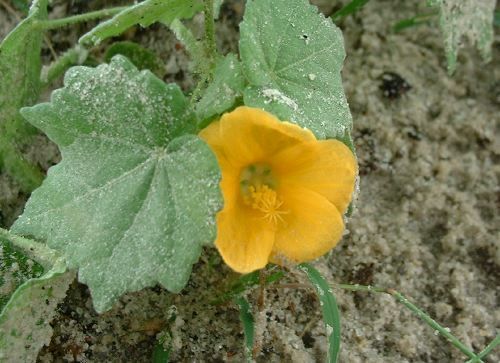
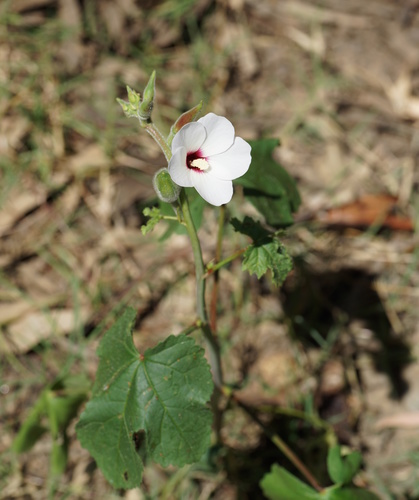
A herb. It grows each year from seed. It grows from 20 cm to 1.5 m tall. The leaves are narrowly oval and can have long hairs. The flowers are yellow. The fruit have 5 wings.
Names & Synonyms
Adik, Garuwyto
References (3)
- Awas, T., 1997, A Study on the Ecology and Ethnobotany of Non-cultivated Food Plants and Wild Relatives of Cultivated crops in Gambella Region, Southwestern Ethiopia. Addis Ababa University. p 57
- Beche D, Gebeyehu G, Feyisa K., 2016, Indigenous Utilization and Management of Useful Plants in and around Awash National Park, Ethiopia. J Plant Biol Soil Health. 3(1):12.
- Lulekal, E., et al, 2011, Wild edible plants in Ethiopia: a review on their potential to combat food insecurity. Afrika Focus - Vol. 24, No 2. pp 71-121