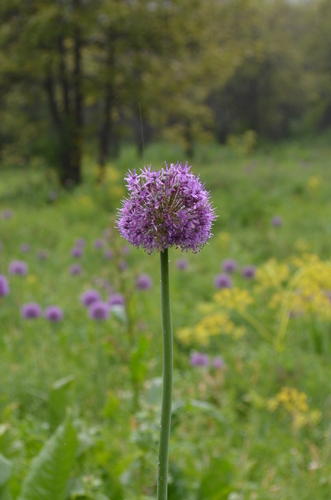
Allium pallens
L.
AmaryllidaceaeRoots

iNaturalist · cc-by-nc
(c) Antonio J. Pizarro Méndez, some rights reserved (CC BY-NC), uploaded by Antonio J. Pizarro Méndez
(c) Antonio J. Pizarro Méndez, some rights reserved (CC BY-NC), uploaded by Antonio J. Pizarro Méndez
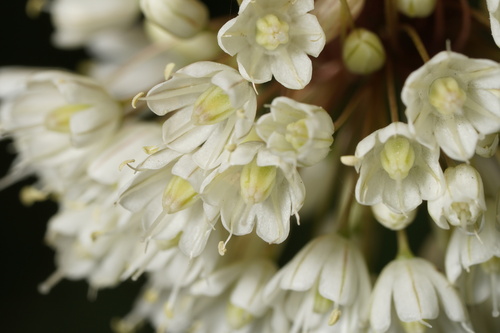
iNaturalist · cc-by-nc
(c) Theodore, some rights reserved (CC BY-NC), uploaded by Theodore
(c) Theodore, some rights reserved (CC BY-NC), uploaded by Theodore
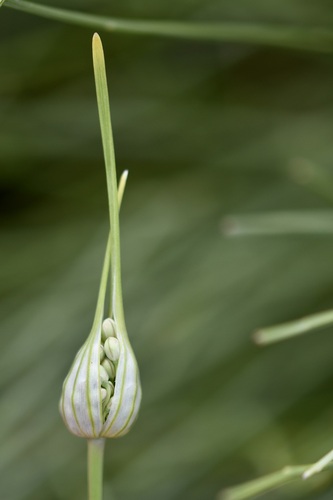
iNaturalist · cc-by-nc
(c) Axel Gosseries, some rights reserved (CC BY-NC), uploaded by Axel Gosseries
(c) Axel Gosseries, some rights reserved (CC BY-NC), uploaded by Axel Gosseries
What to Eat
Edible parts: Bulbs
The bulbs and the bottom of the stems are used as a garlic substitute.
Where to Find It
It is a Mediterranean plant.
Albania, Europe, Spain,
Countries: Andorra, Albania, Austria, Bosnia & Herzegovina, Belgium, Bulgaria, Belarus, Switzerland, Cyprus, Czechia, Germany, Denmark, Estonia, Spain, Finland, France, United Kingdom, Greece, Croatia, Hungary, Ireland, Iceland, Italy, Liechtenstein, Lithuania, Luxembourg, Latvia, Monaco, Moldova, Montenegro, North Macedonia, Malta, Netherlands, Norway, Poland, Portugal, Romania, Serbia, Russia, Sweden, Slovenia, Slovakia, San Marino, Ukraine
How to Identify
A perennial herb in the Amaryllidaceae family from the Mediterranean region, related to onions and garlic.
Wikipedia
Source ↗Allium pallens is a species of wild onion native to the Mediterranean region and Middle East from Portugal and Algeria to Iran.
Notes
They have also been put in the family Alliaceae.
Names & Synonyms
Ajillo silvestre
Allium paniculatum var. pallens (L.) Gren. & Gord.Allium paniculatum subsp. pallens (L.) Richt.Kalabotis pallens (L.) Raf.Raphione pallens (L.) Salisb. [Invalid]
References (2)
- Gonzalez, J. A., et al, 2011, The consumption of wild and semi-domesticated edible plants in the Arribes del Duero (Salamanca-Zamora, Spain): an analysis of traditional knowledge. Genetic Resources and Crop Evolution 58:991-1006
- Tardio, J., et al, 2006, Ethnobotanical review of wild edible plants in Spain. Botanical J. Linnean Soc. 152, 27-71