Anthopterus wardii
Ball
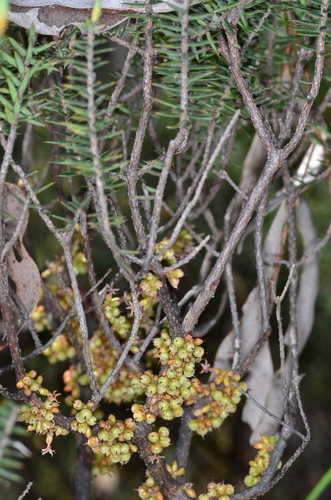
EricaceaeFruit

iNaturalist · cc-by-nc-sa
(c) wundoroo, some rights reserved (CC BY-NC-SA)
(c) wundoroo, some rights reserved (CC BY-NC-SA)

iNaturalist · cc-by-nc
(c) Maryse Neukomm, some rights reserved (CC BY-NC), uploaded by Maryse Neukomm
(c) Maryse Neukomm, some rights reserved (CC BY-NC), uploaded by Maryse Neukomm

iNaturalist · cc-by-nc-sa
(c) wundoroo, some rights reserved (CC BY-NC-SA)
(c) wundoroo, some rights reserved (CC BY-NC-SA)
What to Eat
Edible parts: Fruit
Where to Find It
It is a tropical plant.
America, Central America, Colombia, Ecuador, Panama, South America,
How to Identify
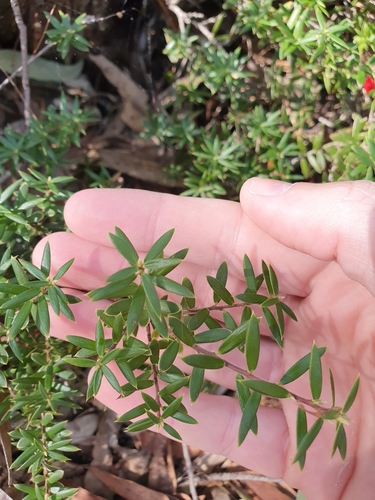
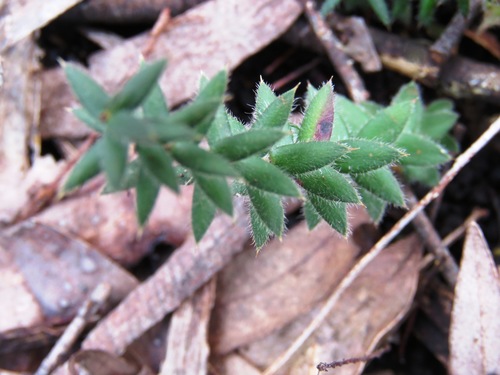
A tropical epiphytic shrub of the Ericaceae family, capable of producing branches 10 m long while attached to other plants. Little is known about its physical characteristics beyond its growth habit and tropical distribution.
Wikipedia
Source ↗Anthopterus wardii, also known as aengue mishito, is a species of neotropical blueberry in the family Ericaceae native to the tropical regions of Central and South America, such as Panama, Colombia, and Ecuador.
Names & Synonyms
Anthopterus bracteatus A. C. Sm.Thibaudia wardii (Ball) Hoerold
References (1)
- Dastmalchi, K. et al, 2011, Edible Neotropical Blueberries: Antioxidant and Compositional Fingerprint Analysis. Journal of Agricultural and Food Chemistry 59: 3020-3026